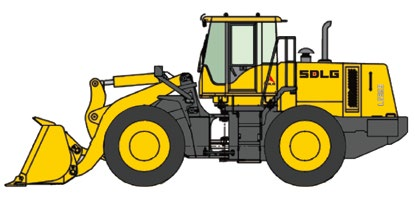
 Wheel Loader
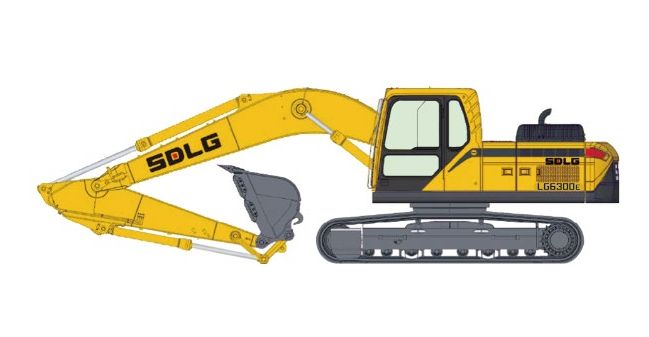 Excavator
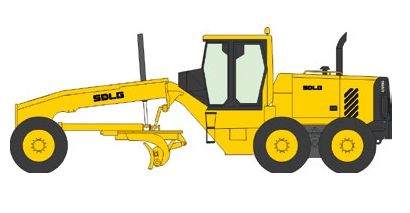 Motor Grader
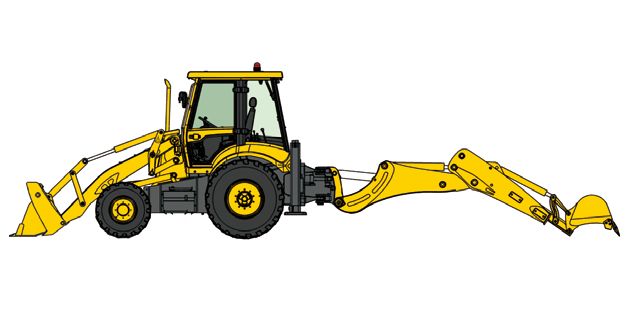 Backhoe Loader
 Road Roller
 Spare Parts
Leave Your Message
Choosing the right Heavy Equipment Trader in China requires more than comparing online prices. A bright listing can hide worn pins, unclear service records, or an hour meter that deserves closer questioning. Reliable sourcing begins with evidence. Ask for the machine’s serial number, operating hours, maintenance history, inspection photographs, and current location. Request a cold-start video, not only polished showroom footage. Small details matter.
Dave Ritchie, co-founder of Ritchie Bros., often emphasized a practical principle: “Trust is the foundation of every transaction.” That idea fits international equipment trading well. A professional trader should answer clearly, provide consistent documents, and explain the machine’s condition without avoiding difficult points. Experience shows that silence about a cracked windshield may suggest larger communication problems. It is not proof. It is a warning.
A strong trader also understands logistics. Confirm loading methods, spare parts availability, delivery schedules, and required export documents before making payment arrangements. Compare several suppliers, but do not treat the lowest quotation as the best value. A cheaper excavator may need costly hydraulic repairs after arrival. Independent inspection can reduce that risk, although no checklist is perfect. Some records may remain incomplete, especially for older machines. That limitation should be admitted, not hidden.
This guide explains how to assess a China Heavy Equipment Trader through practical checks, transparent communication, and documented experience. It also examines questions buyers often forget to ask. You may still make mistakes. The goal is to make fewer expensive ones.
How to Find the Best China Heavy Equipment Trader?
Define Your Heavy Equipment Needs and Buying Criteria
Before contacting a China heavy equipment trader, define the work, not just the machine. Record operating weight, lifting capacity, digging depth, travel distance, terrain, climate, and daily hours. A 20-ton excavator may suit clay soil but waste fuel on light landscaping. Specify required attachments, hydraulic flow, cabin protection, emissions rules, and transport limits. The 2024 Yellow Table report recorded global construction equipment sales of about US$243 billion, showing a large and competitive market. More choices also create more room for mismatched specifications.
Your buying criteria should include total cost, not only the quoted price. Compare fuel use, spare-part availability, service response, warranty terms, inspection records, and delivery documents. Request serial-number photos, cold-start videos, load-test results, and maintenance logs. Ask whether technical manuals match the actual machine configuration. A neat document can still hide weak support. That is where buyers often underestimate risk. Use recognized inspection procedures and verify major claims through independent evidence.
Tips: Build a one-page specification sheet before requesting quotations. Give every trader the same requirements. Score capacity, condition, documentation, support, and landed cost separately. Consider a pre-shipment inspection by an independent engineer. Also calculate downtime costs. A cheaper machine becomes expensive when a hydraulic hose waits weeks for replacement. Leave space for uncertainty; weather, operator skill, and local terrain can change real performance.
| Equipment Category | Typical Applications | Key Specifications to Define | Typical Market Range | Essential Buying Criteria | Documents and Verification Required |
|---|---|---|---|---|---|
| Crawler Excavator | Earthmoving, trenching, quarrying, demolition and site preparation. | Operating weight, engine power, bucket capacity, maximum digging depth, arm reach, hydraulic flow and attachment compatibility. | 6–10 t 20–25 t 30–45 t Common bucket capacities: approximately 0.2–2.0 m³, depending on class and application. | Match the machine class to the ground conditions, required digging depth, transport limits, fuel consumption target and local service capability. Check hydraulic performance under load. | Specification sheet, operating manual, maintenance records, serial-number photographs, cold-start video, hydraulic-pressure test and third-party inspection report. |
| Wheel Loader | Loading aggregate, sand, soil and waste; stockpile handling and general material movement. | Rated operating load, bucket capacity, tipping load, breakout force, engine power, turning radius and tire size. | 1.5–3.0 m³ bucket 3–6 t rated load 100–250 kW Figures vary according to operating weight and configuration. | Select bucket type and capacity according to material density. Verify stability, lift-cycle time, axle condition, transmission response and tire wear. | Load chart, rated-capacity documentation, transmission test, brake test, tire inspection, service history and conformity documents for the destination country. |
| Motor Grader | Road construction, surface leveling, drainage shaping and fine grading. | Blade length, moldboard angle, maximum blade depth, articulation angle, operating weight, engine power and axle configuration. | 3.0–4.3 m blade 12–20 t 100–220 kW Typical dimensions depend on highway, municipal or mining use. | Prioritize blade-control precision, frame articulation, circle-drive condition, visibility, traction and compatibility with machine-control systems. | Blade and circle inspection, articulation-joint inspection, hydraulic test, operator-control test, maintenance records and dimensional drawings. |
| Bulldozer | Heavy pushing, land clearing, rough grading, mining and road-base preparation. | Operating weight, net power, blade capacity, drawbar pull, ground pressure, track shoe width and ripper configuration. | 10–35 t 90–350 kW 0.8–10 m³ blade Actual capacity depends on blade type and material. | Choose blade type for the material being moved. Evaluate undercarriage wear, track tension, final drives, transmission, cooling system and ripper structure. | Undercarriage measurement report, track-frame photographs, blade and ripper inspection, engine test, service records and safety documentation. |
| Dump Truck | Hauling soil, aggregate, construction waste, ore and overburden. | Payload, body volume, gross vehicle weight, engine power, axle configuration, turning radius, gradeability and braking system. | 10–40 t payload 6×4 or 8×4 15–35 m³ body Payload and body volume must be checked against local road regulations. | Confirm legal road weight, body material, suspension type, tire availability, brake performance, fuel economy and suitability for on-road or off-road operation. | Vehicle registration documents, chassis and engine numbers, brake test, axle-weight data, body inspection, emission certificate and road-homologation documents. |
| Wheel Excavator | Urban utility work, road maintenance, drainage, landscaping and projects requiring frequent relocation. | Operating weight, travel speed, digging depth, bucket capacity, stabilizer configuration, hydraulic flow and road equipment. | 10–25 t 20–35 km/h travel speed 0.3–1.2 m³ bucket Specifications vary by axle and attachment configuration. | Check road legality, steering performance, axle condition, braking system, hydraulic stability and attachment-change efficiency. | Road approval documents, steering and brake test, hydraulic inspection, tire report, maintenance history and travel-speed verification. |
| Telehandler | Construction material handling, agricultural operations, warehouse work and elevated loading. | Maximum lift capacity, maximum lift height, forward reach, load chart, stabilizer type, attachment capacity and turning radius. | 2–5 t capacity 6–18 m lift height 3–12 m reach Capacity decreases as boom reach and height increase. | Use the load chart rather than the headline capacity. Confirm stability, boom wear, forks or bucket certification, visibility and operator-protection features. | Complete load chart, lifting-equipment certificate, boom inspection, hydraulic test, attachment certificates and safety-function test. |
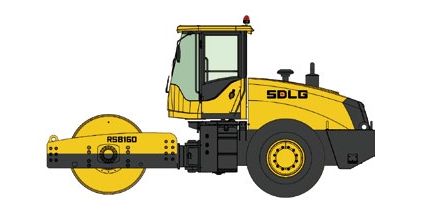
| Road Roller | Compaction of asphalt, soil, gravel, sub-base and road foundations. | Operating weight, drum width, static linear load, vibration frequency, centrifugal force, amplitude and water-spray capacity. | 3–16 t 1.0–2.1 m drum width 25–50 Hz vibration Operating data depends on smooth-drum or padfoot configuration. | Select drum type for soil or asphalt. Verify vibration uniformity, drum condition, spray system, hydrostatic drive, steering and emergency stop functions. | Compaction specifications, vibration test, drum inspection, water-system test, service records and operator-safety documentation. |
| Mobile Crane | Industrial construction, infrastructure installation, equipment erection and lifting operations. | Rated lifting capacity, maximum lifting height, boom length, working radius, counterweight, outrigger span and rated load chart. | 25–200 t capacity 30–80 m boom Load-chart dependent Actual capacity changes substantially with radius, boom angle and configuration. | Verify the complete load chart, structural condition, wire rope, hook block, slew ring, outriggers, overload protection and compliance with local lifting regulations. | Current inspection certificate, load-test report, load chart, wire-rope report, maintenance history, structural inspection and calibration records. |
| Diesel Generator Set | Temporary power, backup power, construction sites, factories, mines and remote facilities. | Prime and standby rating, output voltage, frequency, phase, fuel tank capacity, noise level, enclosure type and automatic transfer compatibility. | 20–2,000 kVA 50 or 60 Hz Single or three phase Ratings must be matched to continuous and peak loads. | Define continuous load, starting current, operating hours, ambient temperature, altitude, fuel quality and local emission requirements before purchase. | Factory test report, insulation-resistance test, load-bank test, wiring diagram, emissions documentation, maintenance schedule and control-panel specification. |
| Asphalt Paver | Highway, airport, municipal road and industrial pavement construction. | Paving width, paving thickness, hopper capacity, theoretical output, screed-heating system, grade control and travel speed. | 2.5–12 m paving width 50–300 mm thickness 100–1,000 t/h output Output depends on material, paving width and site conditions. | Check screed flatness, heating performance, auger condition, hopper operation, sensor compatibility and the availability of wear parts. | Calibration records, screed inspection, heating-system test, conveyor and auger test, operating manual and service history. |
| Used Equipment | Cost-sensitive projects, fleet expansion, rental operations and secondary-site deployment. | Manufacture year, operating hours, ownership history, repair history, remaining service life and parts availability. | Age: 3–15 years Hours: application dependent Condition over age Hour-meter readings should be verified against service records and component wear. | Buy based on total condition rather than age alone. Inspect engine blow-by, hydraulic oil, coolant, undercarriage, structure, electrical system and hidden damage. | Independent inspection, serial-number verification, ownership documents, customs records where applicable, oil-analysis report, repair invoices and start-up video. |