2026 Best Heavy Equipment Buying Guide for Global Buyers?
Heavy Equipment plays a crucial role in various industries worldwide. As per the latest report by MarketsandMarkets, the global heavy equipment market is projected to reach $200 billion by 2026. This growth is driven by increasing urbanization and infrastructure development. Buyers must navigate this complex market to make informed decisions.
Understanding the specifications and applications of different equipment types is essential. For instance, construction machinery and agricultural tools differ significantly in function and design. Reports indicate that over 80% of contractors prioritize equipment longevity and brand reputation when making purchases. It's essential to factor in maintenance and operational costs.
Buyers often encounter challenges. The vast array of choices can be overwhelming. Moreover, not all brands meet safety and performance standards consistently. Conducting thorough research and consulting with industry experts can mitigate potential pitfalls. In this guide, we aim to provide clear insights and actionable advice to assist global buyers in selecting the right heavy equipment.
Understanding Heavy Equipment Market Trends in 2026
As the heavy equipment market evolves, understanding current trends is vital for buyers in 2026. The demand for sustainable machines is rising. More buyers prioritize eco-friendly options. Electric vehicles and hybrid equipment are increasingly popular. Efficiency and cost-effectiveness remain key considerations.
Tips: Research equipment lifespan and maintenance requirements. Look for models with lower total cost of ownership. Also, analyze the resale value before making a purchase.
Technological advancements are reshaping the market. Features like automation and telematics are now common. These innovations can improve productivity and safety. However, not all equipment may suit every buyer’s needs. It’s essential to evaluate how these technologies align with specific operations.
Tips: Create a checklist of essential features. Prioritize your business’s unique needs when evaluating potential purchases. Don’t overlook user reviews and expert assessments for real-world insights.
Key Factors to Consider When Buying Heavy Equipment
When purchasing heavy equipment, several key factors should influence your decision. Understanding the type of equipment that best fits your operational needs is crucial.
Ensure you assess the specific tasks and operations planned for the machinery. Often, buyers choose equipment that exceeds their requirements, leading to unnecessary costs and inefficiencies.
Additionally, consider the total cost of ownership. This includes not only the initial purchase price but also maintenance, fuel consumption, and potential downtime.
A higher-quality machine may cost more upfront but could save money over time through reliability and lower maintenance needs. Reflect on the financing options available. Sometimes, opting for rentals might make more sense in the short term.
Another vital aspect is the equipment's compliance with safety and environmental regulations. Understanding local laws can impact your purchase. It's advisable to seek expert opinions or consult industry professionals to guide your choices. Be wary of fast deals; taking a measured approach can prevent costly mistakes. Ask questions, read reviews, and consider the resale value of the equipment. The right choice now can lead to better returns in the future.
Top Heavy Equipment Brands for Global Buyers in 2026
When considering the best heavy equipment for 2026, it's crucial to evaluate the top brands in the industry. Quality and reliability are paramount. Many globally recognized brands offer advanced technology and robust equipment. You can find products designed for durability and efficiency.
Look for companies that prioritize safety and innovation. Some brands focus on eco-friendly machines, which is becoming increasingly important. Features like fuel efficiency and reduced emissions are significant in today’s market. Additionally, customer support and warranty options can impact your decision.
However, not all leading brands may suit your specific needs. It's essential to conduct thorough research. Some customers report mixed experiences with certain models, highlighting the importance of user reviews. This feedback can guide your choices and help avoid pitfalls. Assess what works best for your projects and budget.
2026 Best Heavy Equipment Buying Guide for Global Buyers
| Equipment Type |
Average Price (USD) |
Power (HP) |
Weight (lbs) |
Application |
| Excavator |
$100,000 |
150 |
45,000 |
Construction |
| Bulldozer |
$150,000 |
200 |
50,000 |
Landscaping |
| Backhoe Loader |
$75,000 |
90 |
16,000 |
Construction |
| Skid-Steer Loader |
$50,000 |
80 |
8,000 |
Agriculture |
| Telehandler |
$70,000 |
100 |
18,000 |
Material Handling |
Evaluating Heavy Equipment Specifications and Features
When evaluating heavy equipment, specifications and features are key. Understand the engine power, hydraulic capabilities, and operational range. Each machine serves different tasks. Knowing your project requirements helps choose wisely. Performance metrics should align with your needs for efficiency.
Tips: Always check fuel consumption and maintenance schedules. Heavy equipment can be costly to operate in the long run. Make a checklist of essential features. Nothing replaces firsthand experience. Test out machines if possible. Operators often have insights that specs don’t reveal.
Consider the warranty and parts availability. Durability is vital for heavy machinery. Look for equipment that promises reliability. Think about training needs as well. Some machines require specialized operation skills. Reflect on what features matter most. It’s easy to prioritize flashy specs, but practicality often pays off better.
Financing Options for Purchasing Heavy Equipment Globally
Financing heavy equipment is crucial for global buyers. Various options exist, each with pros and cons. Buyers often seek loans, leases, or other financing solutions to make informed choices. Loans typically require a down payment and lead to ownership. However, repayment terms vary, which can impact cash flow. Understanding these terms is essential for every buyer.
Leasing is an attractive option for businesses. It allows access to equipment without large upfront costs. Yet, leases often come with strict terms. Buyers may feel pressured by the obligation to return equipment in specified conditions. This sometimes leads to stress during the lease’s end.
Alternative financing solutions are gaining traction. For instance, working capital loans offer flexibility but often come with higher interest rates. Buyers should assess their financial situation before committing. Some may find crowdfunding or peer-to-peer lending viable. Each option carries risks and rewards. Making a thoughtful decision is critical in this ever-evolving market.

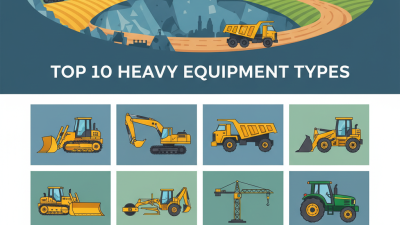
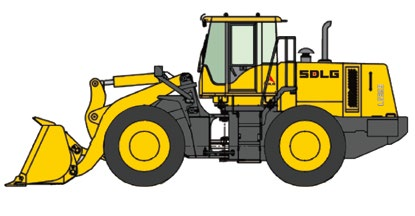 Wheel Loader
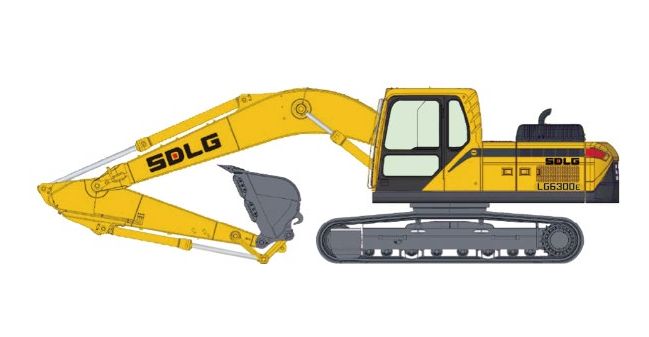 Excavator
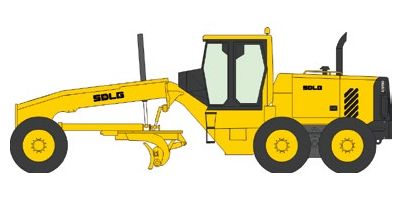 Motor Grader
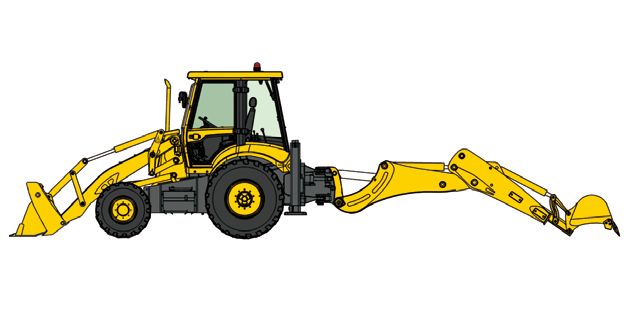 Backhoe Loader
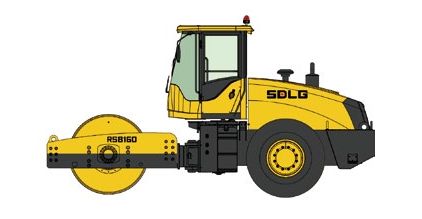 Road Roller
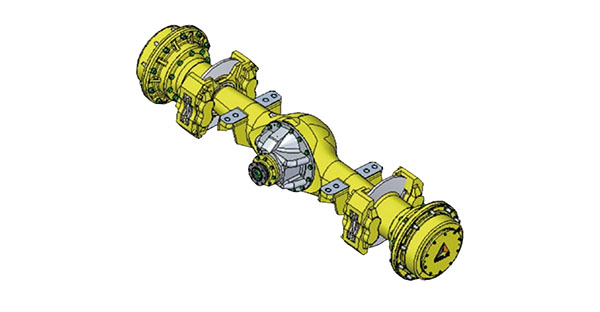 Spare Parts