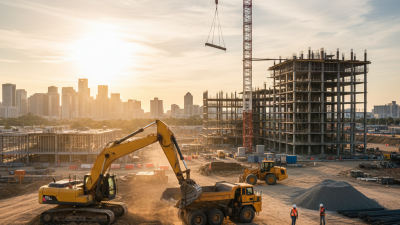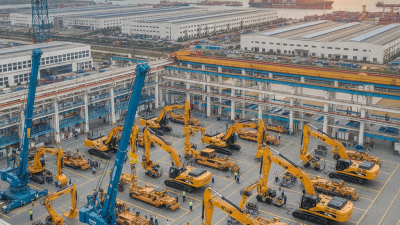
Operating heavy equipment involves substantial risks. According to the Bureau of Labor Statistics, approximately 100,000 injuries occur annually from heavy machinery. Proper safety practices are essential to mitigate these risks. Heavy equipment accidents can lead to serious injuries, fatalities, and significant financial losses for companies.
To ensure safety, operators must be aware of their surroundings. They need robust training and clear communication with ground crews. An underestimation of this training can lead to accidents. In fact, OSHA reports that proper training reduces workplace incidents by 29%. This statistic emphasizes the importance of equipping operators with the necessary skills and knowledge.
Reflecting on the industry, many overlook equipment maintenance. Regular inspections and servicing can prevent malfunctions. Neglected machinery can put operators and others at risk. Investing in maintenance is not just a regulatory requirement; it is a responsibility. A commitment to safety must be a priority for all who operate heavy equipment.
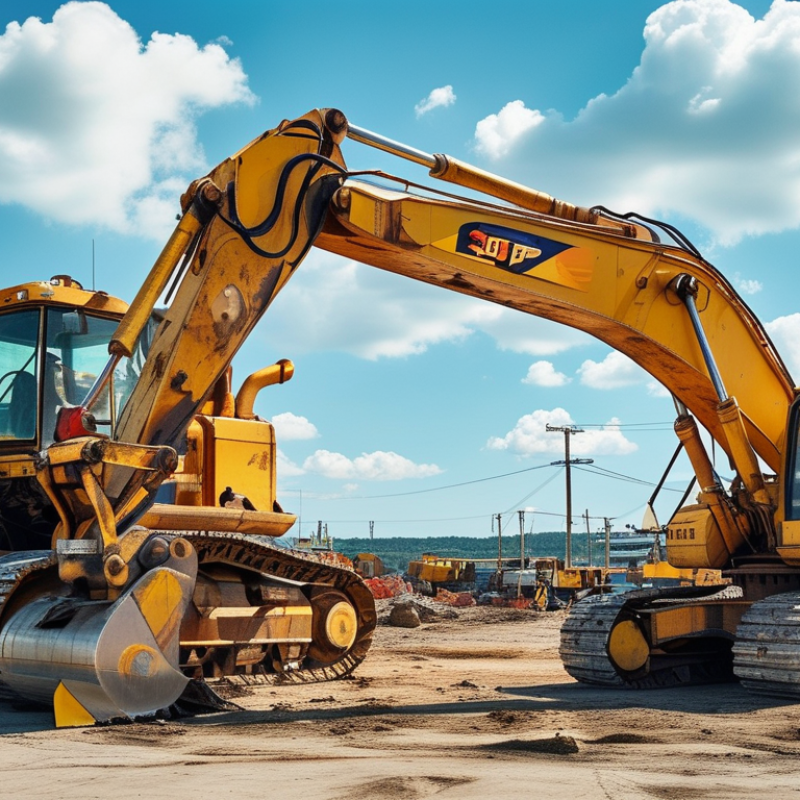
Operating heavy equipment requires a strong commitment to safety. Understanding the importance of safety can prevent accidents and save lives. Every operator should recognize that heavy machinery can be dangerous. A moment of distraction can lead to severe consequences.
One essential tip is to always perform a thorough inspection before use. Check for leaks, loose parts, and functioning controls. This simple step can prevent breakdowns and accidents during operation. Another important aspect is to follow safety protocols. Wearing appropriate personal protective equipment, such as helmets and gloves, is crucial. These do not just protect the individual but promote a culture of safety on the worksite.
Communication is key. Ensure clear signals between operators and ground personnel to avoid misunderstandings. Take time to assess the environment. Be aware of bystanders and obstacles. Reflecting on past experiences, operators can learn valuable lessons from near-misses. Always stay focused and minimize distractions while operating machinery. The responsibility lies with the operator to uphold safety at all times.
| Tip Number | Safety Tip | Description | Importance |
|---|---|---|---|
| 1 | Wear Appropriate Personal Protective Equipment (PPE) | Always use hard hats, gloves, goggles, and safety boots to protect yourself. | Protects from injuries and complies with safety standards. |
| 2 | Conduct Pre-Operational Checks | Inspect equipment for any damages or malfunctions. | Ensures safe and efficient equipment operation. |
| 3 | Follow Manufacturer's Instructions | Adhere to the operational guidelines set by the manufacturer. | Reduces the risk of misuse and accidents. |
| 4 | Maintain Clear Communication | Use hand signals or communication devices with ground crews. | Prevents misunderstandings and ensures safety. |
| 5 | Stay Alert and Focused | Avoid distractions and maintain concentration while operating. | Decreases the likelihood of accidents caused by inattention. |
| 6 | Understand the Worksite Environment | Familiarize yourself with any hazards in the area. | Mitigates risk factors that can lead to accidents. |
| 7 | Avoid Overloading the Equipment | Do not exceed the weight limits specified by the manufacturer. | Ensures stability and prevents equipment failure. |
| 8 | Be Aware of Your Surroundings | Monitor other workers, equipment, and obstacles constantly. | Helps to avoid collisions and accidents. |
| 9 | Use the Equipment for Its Intended Purpose | Do not use the equipment in ways not recommended. | Prevents breakdowns and accidents due to misuse. |
| 10 | Complete Regular Training | Attend safety training sessions and refreshers frequently. | Enhances knowledge and skills, promoting safety. |

Personal Protective Equipment (PPE) is crucial for heavy equipment operators. According to the Bureau of Labor Statistics, over 100,000 injuries occur annually in construction due to equipment accidents. The right PPE can prevent many of these injuries. Helmets, gloves, and safety glasses are essential for basic protection. They help shield operators from falling objects and flying debris.
Foot protection is also vital. Steel-toed boots reduce the risk of crush injuries. Additionally, high-visibility vests ensure operators are seen in busy environments. A 2021 study indicated that 25% of construction site injuries involved inadequate visibility. The adoption of reflective gear can significantly cut these incidents.
Operators often overlook respiratory protection. Dust and fumes are common hazards. A study from the National Institute for Occupational Safety and Health (NIOSH) found that exposure can lead to chronic respiratory issues. Regularly wearing respirators in dusty conditions is a simple yet essential practice.
Maintaining proper PPE usage is essential but not always enforced. Operators must consistently evaluate their PPE choices to ensure safety in their environments.
Pre-operation inspections are crucial for safe heavy equipment operation. According to the National Institute for Occupational Safety and Health (NIOSH), nearly 75% of all heavy equipment accidents can be traced back to insufficient inspections. These checks help to identify potential hazards and mechanical failures before they lead to serious incidents.
Inspecting equipment before use should include a thorough examination of critical components. Operators should check fluid levels, brakes, and tire pressure. Each component plays a key role in safe operation. For example, failure to check the hydraulic system can lead to equipment malfunction. Additionally, operators should inspect safety devices like seatbelts and alarms. The proper function of these safety features can protect workers on site.
It's important to maintain a checklist for inspections. This ensures that no step is overlooked. Even minor issues can escalate if ignored. According to a report from the Bureau of Labor Statistics, incidents caused by mechanical failures are increasing. Conducting detailed pre-operation inspections could significantly reduce these occurrences. Ignoring this critical step can lead to accidents, injuries, and costly downtime. A commitment to thorough inspections is essential for maintaining a safe working environment.
This bar chart illustrates the compliance rates of essential pre-operation inspection checklist items for heavy equipment. Proper checks on fluid levels, brakes, and safety equipment are crucial for safe operation.
Operating heavy machinery requires precision and expertise. Each type of equipment comes with its own set of operating techniques. Understanding these nuances is crucial for safety.
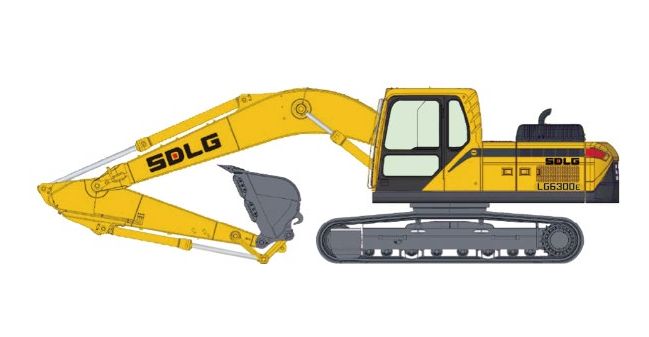
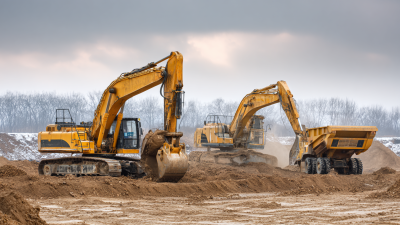
When using excavators, always be aware of your surroundings. Maintain a safe distance from others. Make sure your load is balanced before lifting. An unbalanced load can lead to tipping and accidents. Watching for overhead hazards is vital.
For bulldozers, technique matters. Approach slopes carefully to prevent rollovers. Keep tracks clear of debris to ensure effective operation. Always perform a pre-check before starting. Hydraulic systems should be in top condition. Ignoring these details can lead to mechanical failures.
In all cases, communication is key. Use signals when working as a team. Listen to spotters to enhance safety. Remember, every piece of heavy machinery has its own requirements and limits. Constant awareness and adherence to guidelines will promote a safer work environment.
Operating heavy equipment can be risky. It is essential to have a robust emergency response plan. Understanding how to react during an incident can save lives and reduce damage. Every operator needs to know the procedures clearly.
In case of an emergency, stay calm. Assess the situation quickly. If someone is injured, call for medical help immediately. Secure the area to prevent further accidents. Use the equipment’s emergency stop features if available. Always have first aid kits easily accessible. Regular drills can enhance your team’s readiness. It’s crucial to review these protocols regularly.
Operators should be aware of potential hazards. Reflect on past incidents to improve safety measures. Encourage open discussions about near misses. This can help identify weaknesses in your emergency plan. Collaboration among team members is vital for a safe working environment. Awareness and preparation can make a significant difference.