In the rapidly evolving landscape of Heavy Equipment Machinery, insights from industry experts are invaluable. According to Dr. Li Wei, a noted authority in the field, “The future of heavy machinery hinges on innovation and quality.” As global buyers seek reliable suppliers, China stands out as a hub due to its robust manufacturing capabilities.
China's supply chain for Heavy Equipment Machinery is extensive and diverse. Leading manufacturers are constantly pushing boundaries with advanced technologies. This creates opportunities for international clients to benefit from quality equipment at competitive prices. The challenge lies in selecting the right partner amid numerous options. It is essential for buyers to prioritize suppliers that emphasize quality and innovation.
Moreover, the industry is not without its hurdles. Some manufacturers may struggle with consistency in product quality. Buyers must weigh the risk of potential delays and quality drops. Conducting thorough research and establishing clear communication is vital. The right choice can lead to profitable partnerships that enhance operational efficiency on a global scale.
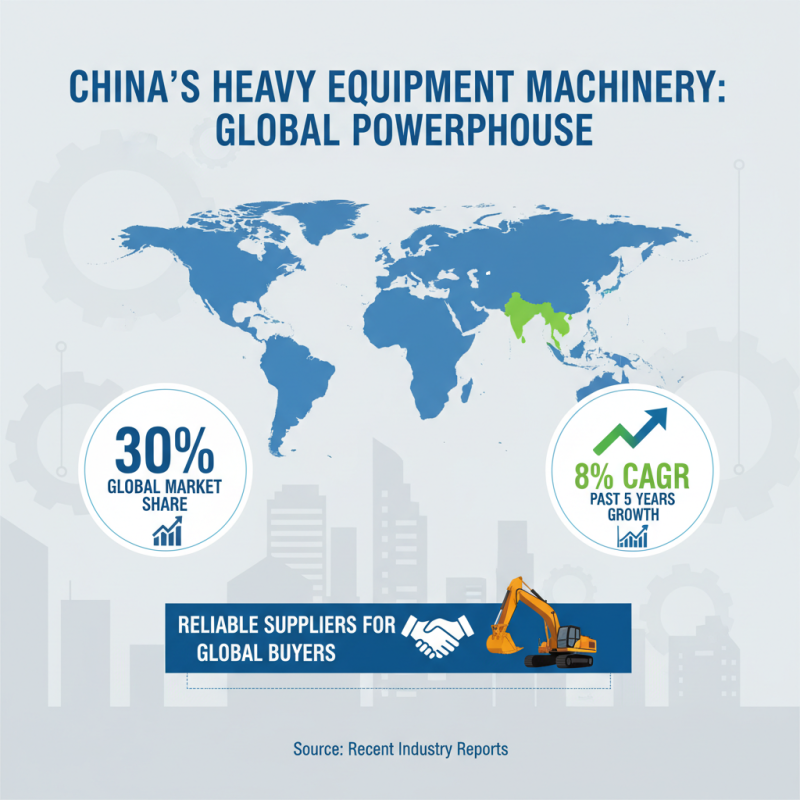
China is a significant player in the heavy equipment machinery industry. Recent reports indicate that the country accounts for nearly 30% of the global market share. This demonstrates its increasing importance for global buyers seeking reliable suppliers for heavy machinery. The industry has shown a compound annual growth rate (CAGR) of around 8% over the past five years, indicating strong growth prospects.
The landscape of heavy equipment suppliers in China is diverse. From excavators to mining machinery, the range is extensive. However, challenges persist. Quality control and compliance with international standards are critical issues. Many buyers have reported discrepancies between expected quality and actual delivery. Evaluating suppliers thoroughly is essential. Recent surveys indicate that over 25% of imports have faced issues related to quality control.
Networking within the industry proves crucial. Participating in trade shows can provide valuable insights into supplier capabilities. Engaging with local experts can also help mitigate risks associated with language and cultural differences. While opportunities abound, caution is necessary. Buyers must recognize that not all suppliers can meet rigorous needs. Ensuring due diligence is vital for successful partnerships.

China boasts a dynamic heavy equipment market, attracting global buyers. The industry is characterized by rapid advancements and competitive pricing. Key players in this space have established extensive distribution networks and robust after-sales service.
Manufacturers in China often emphasize innovation. Many invest heavily in research and development to enhance their machinery's efficiency and durability. This focus on technology can lead to higher quality products. However, navigating the market can be challenging. Buyers must assess reliability and performance while considering price competitiveness.
Several suppliers have gained recognition for their commitment to quality. Their machinery is frequently used in construction, mining, and agriculture. However, not all companies meet the same standards. Some products may fall short of expectations, necessitating thorough research before purchasing. Buyers should weigh their options carefully to ensure they chose wisely.
When global buyers seek heavy equipment machinery suppliers in China, several key factors influence their selection. A reliable supplier should demonstrate a solid history of performance. Buyers often examine a supplier's experience and expertise in specific machinery types. They look for evidence of successful projects. Customer testimonials and case studies can instill confidence. However, the credibility of these endorsements should be critically assessed.
Pricing is another crucial factor. Competitive pricing attracts buyers, but it's not the only consideration. Some suppliers may offer low costs but compromise on quality. This can lead to long-term issues. Buyers should conduct thorough research to evaluate true value. Communication is essential throughout the process. Efficient collaboration can make or break a project. Clear lines of communication prevent misunderstandings and delays.
Furthermore, buyers must consider after-sales support. Effective maintenance and customer service are invaluable. A supplier’s responsiveness can significantly impact the overall satisfaction. However, some suppliers may lack the infrastructure to provide ongoing support. Buyers should be mindful of these potential gaps. Understanding all these factors can lead to better supplier choices.
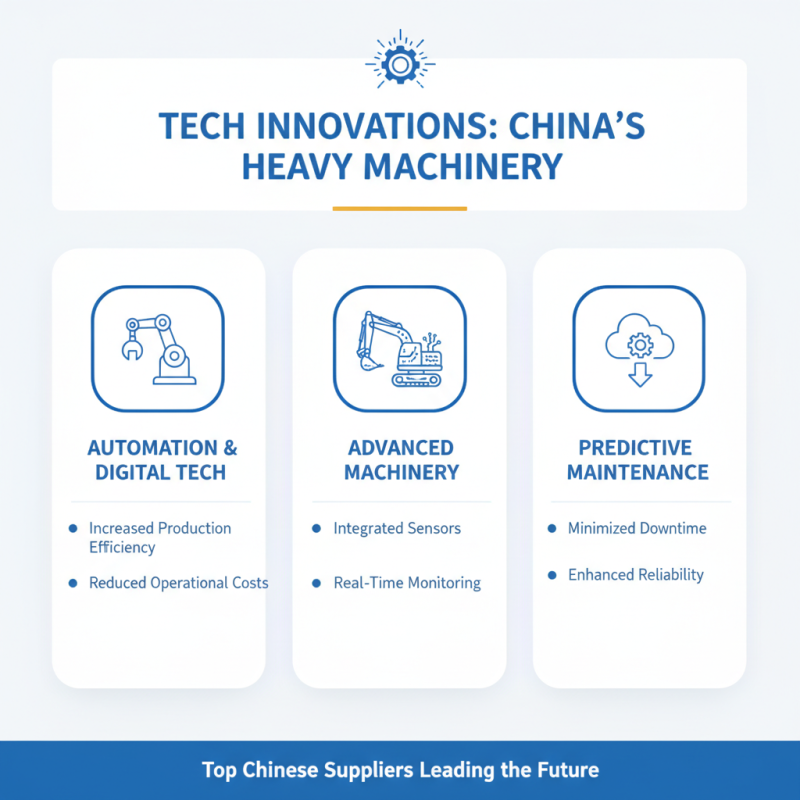
The heavy machinery sector in China is experiencing rapid technological advancements. Many suppliers are investing heavily in automation and digital technologies. This shift enhances production efficiency and reduces operational costs. Advanced machinery now features integrated sensors, allowing for real-time monitoring. These innovations help in predictive maintenance, minimizing downtime significantly.
Moreover, automation is reshaping traditional manufacturing methods. Robotics play a crucial role in assembly lines, ensuring precision and consistency. The employment of AI algorithms optimizes supply chain management. This not only streamlines operations but also improves inventory control, making processes more reliable overall. However, reliance on technology comes with challenges that suppliers need to address.
Despite these advancements, some suppliers struggle with integration. Balancing innovative technologies with existing systems can be complex. It's essential for suppliers to build expertise in managing both old and new technologies. As the industry evolves, ongoing training and development for the workforce become vital. The journey towards complete automation is still ongoing, highlighting the need for continuous improvement and adaptation.
When sourcing heavy machinery from China, understanding the landscape is crucial. Many suppliers offer a wide range of equipment. However, not all are reliable. Buyers must do their homework to ensure they partner with trustworthy manufacturers. Research online platforms, check reviews, and look for testimonials. Engage with other buyers who have experience in the industry. Their insights can be invaluable.
Communication is vital in this process. Clear expectations avoid misunderstandings. Suppliers may have different quality standards. It’s essential to express your requirements explicitly. Request samples or detailed specifications before committing to larger orders. This practice can help mitigate risks and ensure the machinery meets your needs. However, be prepared for delays in response or variations in product quality. This aspect requires patience and adaptability.
Logistics play a significant role in sourcing from China. Consider shipping costs and timelines. Different ports can affect lead times. Always ask about terms of delivery and payment options. Freight forwarders can provide insights into optimizing shipping processes. However, it may involve unexpected fees or customs challenges. Documenting every detail is key to a smooth operation.
| Supplier Type | Country of Origin | Products Offered | Annual Revenue (Estimated) | Certification Standards |
|---|---|---|---|---|
| Manufacturer | China | Excavators, Cranes | $100M - $500M | ISO 9001, CE |
| Distributor | China | Bulldozers, Loaders | $50M - $200M | ISO 14001 |
| Trader | China | Forklifts, Graders | $10M - $50M | SGS |
| Exporter | China | Pavers, Compact Machines | $20M - $100M | CE, UL |
| Manufacturer | China | Concrete Mixers, Compressors | $150M - $600M | ISO 45001 |