10 Essential Tips for Optimizing Your Machinery Line Production Process?
Optimizing the Machinery Line is crucial for enhancing production efficiency. In today's competitive market, manufacturers must focus on streamlining their operations. A well-optimized Machinery Line minimizes downtime and maximizes output. This process requires careful analysis and thoughtful implementation of best practices.
However, achieving this is often easier said than done. Many plants struggle with bottlenecks or equipment failures. Even minor misalignments can lead to significant losses. This means that reflecting on past performance and recognizing areas for improvement is essential. Fostering a culture of continuous improvement is key in tackling these challenges.
Implementing robust strategies for your Machinery Line can make a measurable difference. Attention to details, such as maintenance schedules and employee training, enhances overall effectiveness. Each aspect of your operation plays a role in the bigger picture. By actively engaging in these areas, you can create a Machinery Line that not only runs smoothly but also adapts to changing demands.
Understanding the Importance of Machinery Line Production Optimization
Machinery line production optimization is crucial in today’s manufacturing landscape. Many companies overlook the impact of small changes, leading to inefficiencies. Tight schedules and increasing demands require the best performance from every machine. A well-optimized line reduces waste and enhances productivity.
Identifying bottlenecks is a critical step. A machine may run smoothly one day but fail to meet production targets the next. Regular evaluations can help catch these issues early. Engaging operators in this process adds valuable insights, improving overall efficiency. Even minor adjustments can yield significant improvements.
Data-driven strategies are essential. Collecting and analyzing production data can reveal hidden patterns. Operators might not notice issues that data can highlight. Implementing changes based on this insight often leads to remarkable gains. However, companies must be prepared to reflect on their methodologies regularly. The journey of optimization is ongoing, requiring adaptation and commitment.
Identifying Key Bottlenecks in Your Production Process
Identifying key bottlenecks in your production process is crucial for optimizing machinery line efficiency. Data from the National Institute of Standards and Technology indicates that improper flow of materials leads to a 30% reduction in overall productivity. When machinery operates below its capacity, it incurs unnecessary costs and wastes time. Identifying these bottlenecks can streamline operations and maximize output.
One common bottleneck occurs during the assembly stage. Workers often report downtime waiting for parts or tools, which leads to frustration. The average worker loses about 20% of their productive time in this way. Implementing a more organized inventory system can reduce this problem significantly. Regular maintenance checks on machinery also ensure that equipment runs smoothly, minimizing unexpected failures and delays. These proactive approaches can turn a struggling process into a well-oiled machine.
However, it is essential to remain vigilant. Sometimes, the causes of bottlenecks are not immediately apparent. Conducting regular reviews and gathering feedback from staff on the production floor helps identify issues. Even minor inefficiencies can accumulate, affecting overall performance. Awareness and continuous assessment are vital for sustaining productivity and ensuring a smooth flow in your machinery line production process.
10 Essential Tips for Optimizing Your Machinery Line Production Process - Identifying Key Bottlenecks in Your Production Process
| Tip No. |
Tip Description |
Identified Bottleneck |
Potential Solution |
| 1 |
Analyze Production Data |
Inefficient cycle times |
Implement data analytics tools |
| 2 |
Perform Regular Maintenance |
Unplanned downtime |
Schedule preventive maintenance |
| 3 |
Train Operators |
Mistakes due to inexperience |
Establish a training program |
| 4 |
Streamline Workflow |
Workflow interruptions |
Redesign the layout |
| 5 |
Use Technology for Monitoring |
Lack of real-time insights |
Integrate IoT sensors |
| 6 |
Evaluate Supply Chain Efficiency |
Material delays |
Optimize supplier relationships |
| 7 |
Implement Lean Manufacturing Principles |
Waste in production |
Adopt lean strategies |
| 8 |
Set Performance Metrics |
Lack of benchmarks |
Regularly review KPIs |
| 9 |
Encourage Team Collaboration |
Siloed departments |
Facilitate cross-department meetings |
| 10 |
Collect Feedback Regularly |
Missing improvement opportunities |
Establish a feedback loop |
Implementing Automation Solutions to Enhance Efficiency
Implementing automation in machinery line production can significantly enhance efficiency. According to a report from the International Federation of Robotics, industries that adopted automation saw productivity rates rise by up to 30%. This shift allows companies to streamline operations and minimize downtime. Automation reduces human error, which is a common issue in manual processes. But adopting this technology is not without challenges.
Companies often overlook the need for staff training. Employees must understand new systems to maximize their benefits. Moreover, a survey by McKinsey revealed that nearly 60% of companies experienced initial productivity dips when integrating automation. It highlights the critical need for careful planning and phased implementation. Ensuring that machinery and technology are compatible also requires thoughtful investment.
On the other hand, automating mundane tasks can free workers for higher-value activities. A Boston Consulting Group study found that firms leveraging automation consistently outperformed competitors by approximately 20%. Though the path is fraught with potential pitfalls, the long-term rewards can be substantial. Embracing automation can redefine efficiency in machinery line production.
Regular Maintenance Practices to Ensure Machinery Reliability
Maintaining machinery reliability is crucial for efficient production. Regular maintenance practices can significantly impact the longevity and performance of equipment. According to a report by the National Institute of Standards and Technology, proper maintenance can improve machine uptime by up to 30%. This enhancement not only reduces costs but also boosts overall productivity.
Data shows that over 40% of equipment failures result from a lack of proper maintenance. Routine inspections and timely repairs are essential. Encouraging a culture of proactive maintenance among operators fosters responsibility. Operators should be trained to notice early signs of wear and tear. This can lead to fewer unexpected breakdowns and production delays.
Moreover, employing predictive maintenance technology can enhance reliability. The use of IoT sensors allows for real-time monitoring. This method identified potential issues before they become critical, reducing emergency repairs. However, reliance on technology alone can be misleading. Human oversight remains essential. Balancing technology with skilled operators can provide a more reliable maintenance strategy.
10 Essential Tips for Optimizing Your Machinery Line Production Process
This chart illustrates the impact of regular maintenance practices on machinery reliability in a production line. The data represents the percentage improvement in efficiency based on various maintenance strategies implemented over a six-month period.
Utilizing Data Analytics to Monitor and Improve Performance
Data analytics is transforming how machinery line production operates. By closely monitoring performance metrics, manufacturers can uncover insights that drive efficiency. Real-time data collection allows teams to identify bottlenecks quickly. If a machine is underperforming, immediate action can be taken. This proactive approach minimizes downtime and optimizes workflow.
Implementing data analytics is not without challenges. Many organizations struggle to integrate systems effectively. Disparate data sources can lead to confusion. Additionally, staff may require training to understand and use analytics tools fully. When used correctly, however, data analytics can illuminate patterns in production that were previously hidden.
Embracing a culture of continuous improvement is crucial. Teams should encourage reflection on data findings. Regular discussions about performance can yield new ideas. Adapting to data insights may reveal areas needing attention. This iterative process ultimately leads to more streamlined operations and higher output levels.
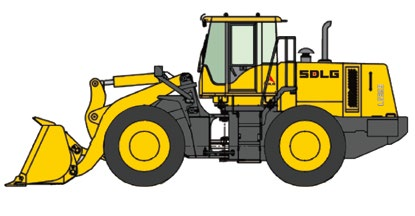 Wheel Loader
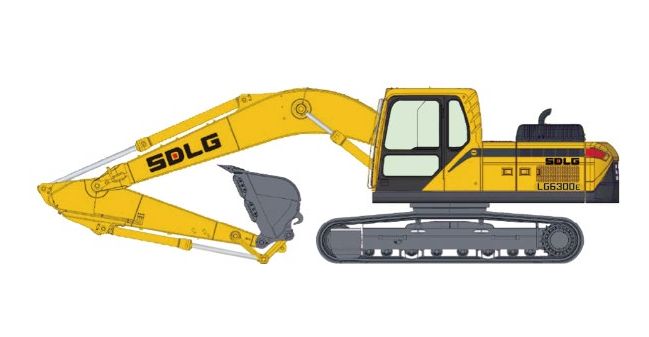 Excavator
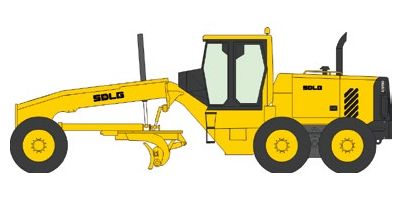 Motor Grader
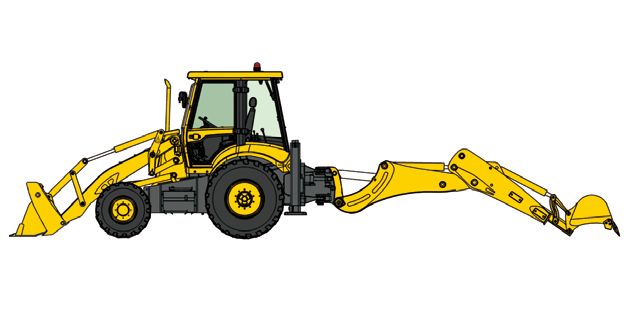 Backhoe Loader
 Road Roller
 Spare Parts