Top Tips for Choosing Heavy Equipment Movers for Your Needs?
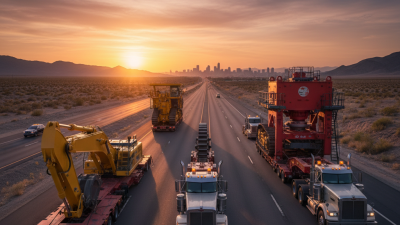
When it comes to moving heavy equipment, choosing the right movers is crucial. Heavy equipment movers play a key role in ensuring the safe and efficient transportation of your machinery. Their expertise can minimize risks and prevent damage during transit. However, not all movers are created equal, and making an informed choice can be challenging.
One must consider factors like experience, reputation, and specialization. A knowledgeable mover understands the intricacies of handling heavy machinery. They should be equipped with the right tools and techniques. Client testimonials and reviews can provide insights into their reliability. Additionally, look for movers who prioritize safety and compliance with industry standards.
It’s important to reflect on what your specific needs are. Do you require local or long-distance moving? Will the equipment need special handling? Taking the time to evaluate these aspects can lead to a better decision. Assessing movers carefully can save time, money, and prevent potential headaches down the line. Choose wisely and ensure that your heavy equipment is in capable hands.
Understanding the Importance of Heavy Equipment Movers
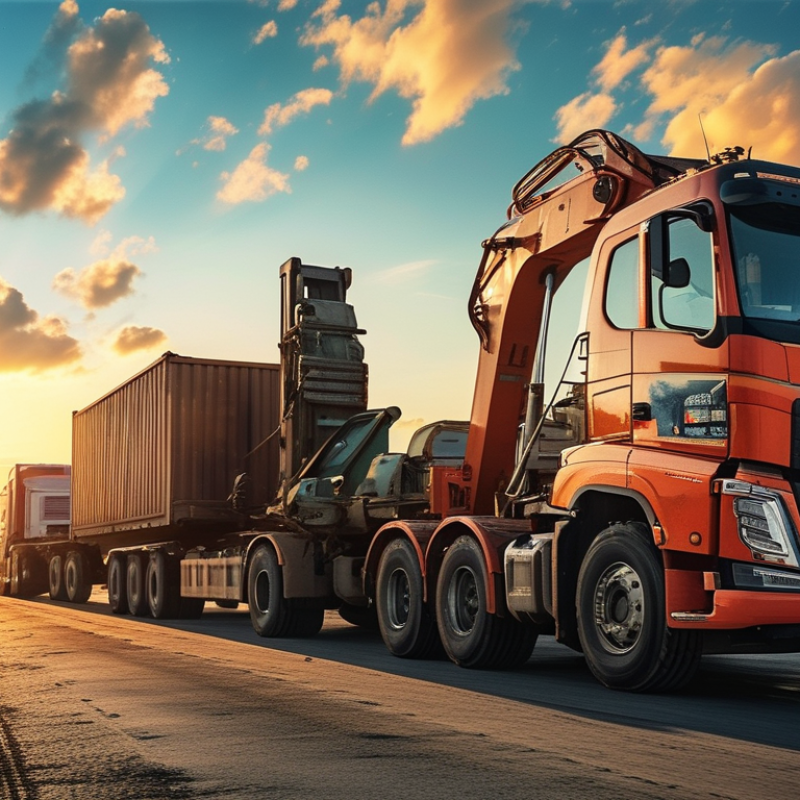
When it comes to heavy equipment movers, their role is critical in numerous industries. Moving large machinery safely and efficiently can ensure projects stay on schedule. Studies show that equipment-related accidents can lead to significant downtime and increased costs. In fact, the National Institute for Occupational Safety and Health reported that over 4,500 injuries occur annually due to improper equipment handling. This highlights the necessity for skilled movers who prioritize safety.
Having experienced heavy equipment movers makes a substantial difference in operations. They possess the knowledge and training to navigate complex logistics. Proper techniques in rigging and loading can prevent equipment damage. The American Society of Civil Engineers emphasizes that transport-related injuries decrease significantly with trained personnel. Reliable movers understand local regulations and restrictions, ensuring compliance during transport.
Choosing the right movers involves assessing their qualifications and expertise. Asking for references can provide insight into their track record. Looking for firms with industry certifications ensures that they adhere to safety standards. Despite the growth in technology, human oversight remains essential. Complex machinery still requires that personal touch for optimal operation. Reflect on your options carefully; the right decision can save time and reduce risk.
Heavy Equipment Movers: Importance and Considerations
Key Factors to Consider When Selecting a Moving Company
When choosing heavy equipment movers, several factors deserve careful consideration. Assess their experience in handling machinery similar to yours. Movers with a proven track record understand the risks and challenges involved. Look for companies that have been in the industry for several years. A solid reputation means they are reliable and knowledgeable.
Insurance and licensing are crucial. Ensure the moving company is fully insured. This protects your investment in case of accidents or damages during transport. Ask for their licenses to confirm they meet legal requirements. A trustworthy company will clearly present these certificates without hesitation.
Get multiple quotes and compare them. However, don't just focus on the price. Sometimes, the lowest bid can come with hidden costs or lack of service quality. Read customer reviews and testimonials. These insights can reveal the true level of service. Being proactive in your research will help you avoid potential pitfalls in the selection process. Every detail matters in the world of heavy equipment moving.
Evaluating Experience and Expertise in Heavy Equipment Transportation
When choosing heavy equipment movers, evaluating their experience and expertise is paramount. Industry reports indicate that over 30% of equipment transportation failures stem from insufficient expertise in handling heavy machinery. Movers with a proven track record often demonstrate their ability to navigate challenges effectively. Look for companies that have been in the field for at least five years. This timeframe typically ensures exposure to various equipment types and transportation scenarios.
Expertise is reflected in certifications and training. Serious heavy equipment movers invest in ongoing training for their teams. According to the Association of Equipment Manufacturers, certified crews are 40% less likely to encounter accidents. This statistic highlights the correlation between trained personnel and successful transport operations. Furthermore, assessing past projects can provide insight into a mover's capabilities. Ask for case studies or references. These examples will showcase their problem-solving skills and customer satisfaction.
Reliability also hinges on transparent communication. Experience can fall flat if not paired with good customer service. A mover should be open about their processes and timelines. If they fail to communicate effectively, it raises red flags. Poor communication can lead to misunderstandings and delays, which are often critical in heavy equipment logistics. Being aware of these factors will help you make an informed choice in movers.
Assessing Insurance and Liability Options for Safe Moving
When selecting heavy equipment movers, assessing insurance and liability options is crucial. You want to ensure that your valuable machinery is protected throughout the moving process. Look for movers who offer comprehensive insurance coverage. This includes liability insurance that safeguards against potential damages during transport. It’s essential to read the policy details. Some movers might have limitations that could leave you vulnerable.
Discuss your specific needs with potential movers. Ask about their claims process and response time in case of damages. A reliable moving company will be transparent about their insurance terms. Consider their history and reputation in the industry. Experienced movers often have better policies that reflect their confidence in safe handling practices.
Remember, moving heavy equipment involves risks. Unexpected challenges may arise during transport. An in-depth understanding of insurance options can help you make informed decisions. Don’t hesitate to ask questions about the mover's past experiences with insurance claims. Knowing these details can help you weigh your options better. Reflect on these aspects to protect your investment effectively.
Getting Quotes and Understanding Pricing Structures for Movers
When selecting heavy equipment movers, understanding pricing structures is crucial. The costs can vary significantly based on several factors. According to a report by the American Moving and Storage Association, the average cost for long-distance heavy equipment moving ranges from $1,500 to over $10,000. Factors such as weight, distance, and specialized equipment play a major role. Clarity on these aspects helps you gauge what fits your budget.
Getting quotes from multiple movers helps in comparing services. Some moving companies provide flat rates based on initial estimates, while others charge hourly. A survey by a logistics firm indicates that nearly 40% of customers prefer flat-rate quotes for ease of budgeting. However, be cautious; hidden fees may crop up later. Ensuring that you discuss potential extra charges upfront can save you from unexpected costs.
Understand the importance of a comprehensive quote. A detailed breakdown should include labor costs, transportation, and any additional service fees. Documenting everything in writing fosters transparency. Inadequate details can lead to misunderstandings. According to a recent industry study, about 30% of clients report dissatisfaction due to unclear pricing structures. It's essential to communicate your needs clearly and ask questions about uncertainties in the quote.

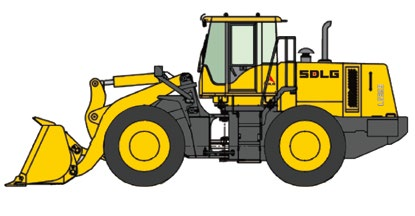 Wheel Loader
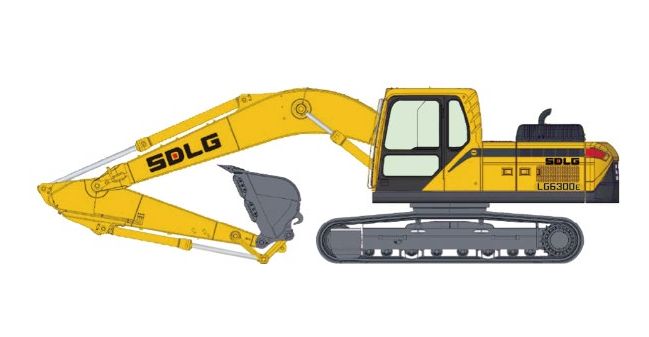 Excavator
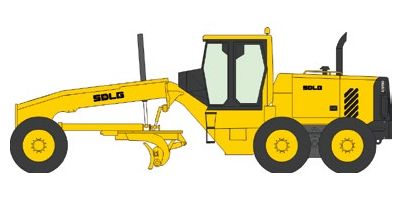 Motor Grader
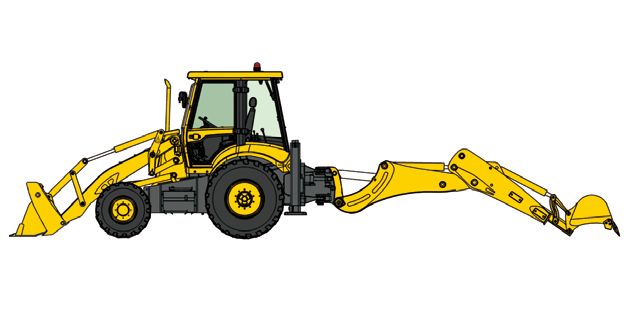 Backhoe Loader
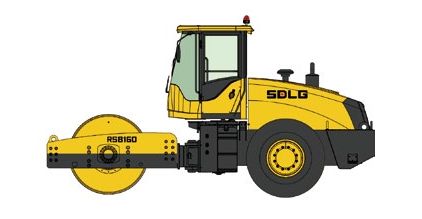 Road Roller
 Spare Parts