2026 Best Heavy Equipment Movers for Global Buyers?
In the world of logistics, finding the best Heavy Equipment Movers is key to success for global buyers. The industry can be complex and fast-paced. Many companies struggle to identify reliable partners. Expert Jane Doe, a logistics consultant, states, "Choosing the right heavy equipment mover can make or break a project timeline." This truth highlights the importance of careful selection.
Heavy Equipment Movers play a crucial role in various industries. Construction, mining, and transportation sectors depend on them for smooth operations. A single mishap can lead to significant delays and costs. Yet, many lack a clear understanding of the services available. Often, buyers focus solely on price, neglecting factors like experience and equipment quality.
In an ever-evolving market, making informed decisions is vital. Buyers must look beyond initial quotes. The reliability of Heavy Equipment Movers determines project success. Therefore, evaluating potential partners thoroughly is essential. As logistics continue to grow, understanding this industry is more important than ever.
2026 Global Market Overview for Heavy Equipment Movers
The global market for heavy equipment movers is evolving rapidly. This sector plays a crucial role in various industries, including construction and logistics. As demand increases, so does the need for reliable moving solutions. Companies must adapt to technological advancements. This includes better logistics software and equipment innovations.
In 2026, buyers will focus on efficiency and safety. They will seek movers that offer advanced tracking systems and load monitoring. These features enhance security during transport. However, challenges exist. Not all equipment movers can meet these emerging demands. Some struggle to keep pace with evolving technologies. This lack of adaptability can lead to operational inefficiencies.
Market trends indicate a shift towards sustainability. Companies are investing in eco-friendly practices. They aim to reduce their carbon footprint. Yet, the transition may be slow for some. The balance between speed and sustainability remains a point of contention. Industry stakeholders must reflect on their practices. Adopting innovative solutions while navigating these challenges is necessary for success.
2026 Global Market Overview for Heavy Equipment Movers
Key Features to Examine in Heavy Equipment Movers
When selecting heavy equipment movers, certain key features are essential for global buyers.
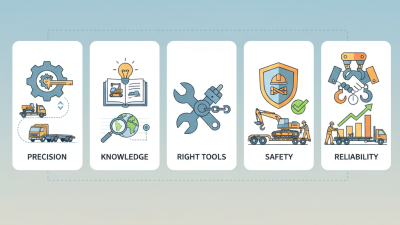
First, the capacity and power of the movers are paramount. They must handle varying weights and sizes often encountered in construction projects. Buyers should look for detailed specifications and load limits to ensure safe transportation. Every piece of equipment must be moved with precision, reducing potential damage.
Another critical aspect is the technology integrated into the movers. Modern heavy equipment movers may include GPS tracking and automated systems. Such features enhance operational efficiency and ensure timely deliveries. However, not all technology is equally reliable. It’s important to read customer reviews for insights on real-world performance.
Lastly, the durability of the equipment is vital. Heavy-duty jobs can wear down machinery quickly. Buyers must consider the materials used in construction. Steel frames generally withstand tougher conditions better than lightweight alternatives. Evaluate the warranty and support provided by manufacturers. Equipment that requires frequent maintenance might lead to unexpected downtime. This reality calls for careful evaluation, balancing cost and reliability for long-term use.
Top Heavy Equipment Moving Companies by Market Share
When it comes to heavy equipment moving, understanding market share is crucial. The top companies dominate about 65% of the industry. This data comes from credible industry reports that analyze revenue, service range, and operational capacity. Effective movers utilize advanced logistics and resources. They minimize downtime for clients and enhance the efficiency of equipment relocation.
Companies are pushing for innovation in handling procedures and technology integration. Reports suggest that firms with modern fleet management systems report up to 30% enhanced performance. However, not every player in the market leverages technology effectively. Some companies still rely on outdated methods, which can lead to delays and increased costs. Such discrepancies raise questions about operational efficiency.
It's important to choose a mover with a proven track record and transparent operations. Industry analysis indicates that a reliable mover can reduce the chances of damage to equipment by up to 25%. Buyers should research to ensure they're selecting a company that not only meets their needs but represents a trustworthy partner in their projects.
Emerging Technologies in Heavy Equipment Transportation
Emerging technologies are transforming heavy equipment transportation. Innovations like telematics and GPS systems enable real-time tracking of equipment. According to a recent industry report, efficiency in logistics has increased by 30% due to these advancements.
Electric and hybrid vehicles are also gaining traction. They reduce emissions and operating costs, attracting eco-conscious buyers. A study indicated that operators using electric equipment could see a 15% decrease in fuel expenses. Yet, the initial investment remains high, a factor that companies must consider.
Automation in equipment handling is another key trend. Automated Guided Vehicles (AGVs) simplify the transportation of goods on job sites. Despite the benefits, there are challenges. The workforce needs retraining, and safety concerns around automation persist. It's clear that while these technologies enhance capabilities, they require careful implementation and ongoing evaluation.
Regulatory Standards Impacting Heavy Equipment Movers in 2026
In 2026, heavy equipment movers face evolving regulatory standards that significantly impact operations. For instance, the International Organization for Standardization (ISO) introduced stricter guidelines for transportation safety. These updates ensure operators use advanced tracking and monitoring systems. Such systems can reduce incidents by up to 30%, highlighting the importance of compliance in enhancing safety.
Environmental regulations are also tightening. The Environmental Protection Agency (EPA) has set new emissions standards that demand cleaner heavy machinery. Moving companies must adapt to these changes swiftly. Failure to comply risks heavy fines and operational delays. Industry reports indicate that 55% of movers are struggling to meet these new standards, indicating a pressing need for strategic planning.
Training programs have become crucial for compliance. Companies should invest in updating training for their staff. Only 45% of workers currently understand the latest regulations. This gap presents both a challenge and an opportunity. Enhancing knowledge and skills can improve efficiency and safety. As regulations deepen, the heavy equipment moving industry must continually evaluate and adapt.

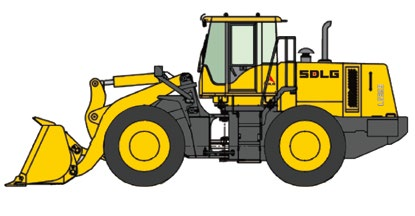 Wheel Loader
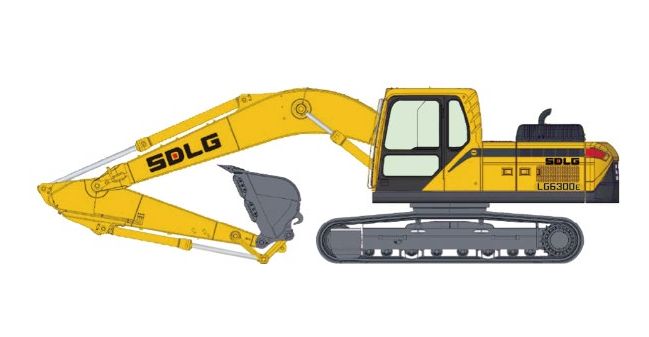 Excavator
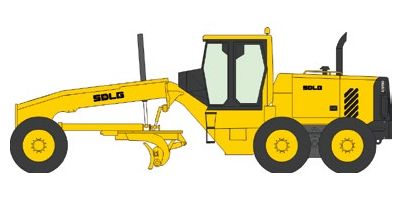 Motor Grader
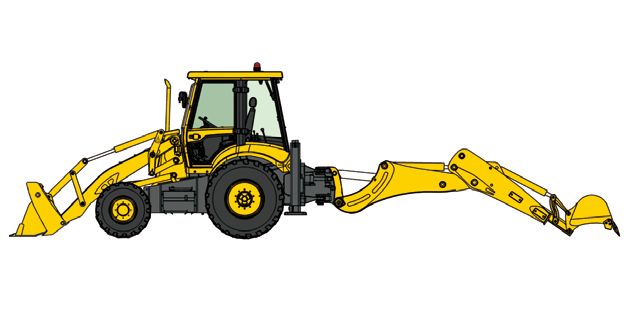 Backhoe Loader
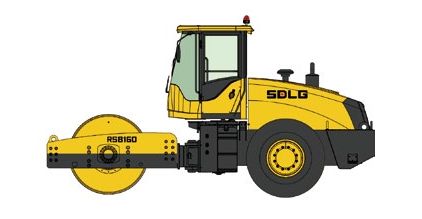 Road Roller
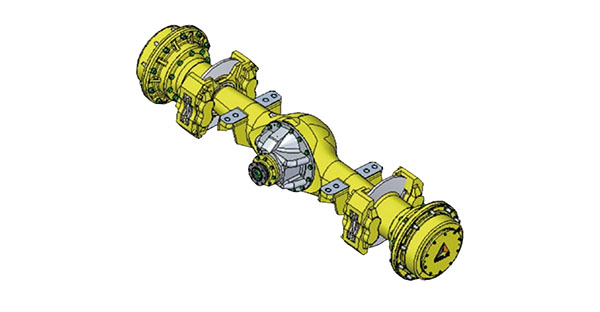 Spare Parts