What is Heavy Equipment Movers and How They Facilitate Construction?
Heavy Equipment Movers play a vital role in the construction industry. These specialized teams are critical for the safe and efficient relocation of heavy machinery. Without them, projects could face significant delays and increased costs. They understand the complexities that come with large equipment, ensuring everything is handled properly.
In construction, precision is crucial. Heavy Equipment Movers are trained professionals who navigate challenging environments. They assess factors like weight, dimensions, and terrain to choose the best moving strategies. Challenges often arise, such as weather conditions or site logistics. Yet, experienced movers adapt quickly to these situations.
However, relying on Heavy Equipment Movers does not eliminate all risks. Mistakes can happen, especially when dealing with large machinery. It's imperative to select movers with a proven track record. Their expertise lends assurance that construction timelines will be met. Thorough research is essential to find reputable services in this field.
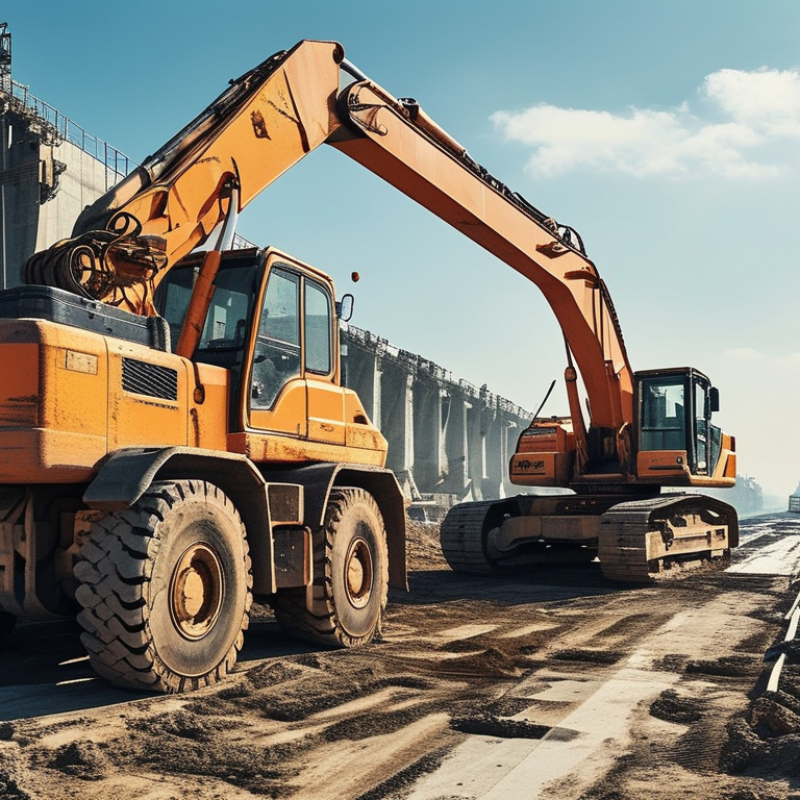
What Are Heavy Equipment Movers in the Construction Industry?
Heavy equipment movers play a crucial role in the construction industry. These professionals specialize in the transportation and installation of heavy machinery, which is essential for large-scale projects. The global heavy equipment rental market is projected to reach approximately $120 billion by 2027. This growth underlines the importance of skilled movers who ensure that equipment is safely and efficiently handled.
The intricacies of moving heavy machinery require specialized knowledge. Operators must understand the weight and dimensions of equipment, as well as the best practices for securing and transporting it. Data from the American Association of Equipment Rental (AAER) indicates that improper handling can lead to costly delays and safety hazards. Reports suggest that about 30% of construction accidents are related to equipment mishandling.
While heavy equipment movers are skilled and trained, it is important to acknowledge that mistakes can happen. Issues like equipment misalignment or transport delays often arise. These challenges highlight the necessity for ongoing training and strict adherence to safety protocols. Investing in proper education and maintaining a reliable team can significantly reduce operational risks in this field.
Types of Heavy Equipment Movers and Their Specific Applications
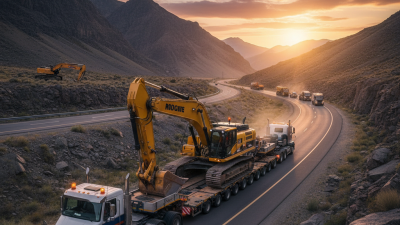
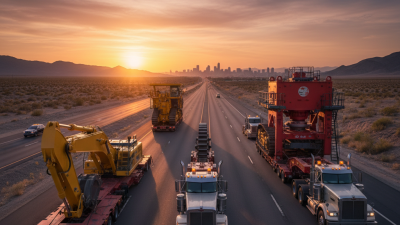
Heavy equipment movers play a crucial role in construction processes, ensuring efficiency and precision in transporting heavy machinery. Different types of heavy equipment movers cater to various needs on job sites. For instance, lowboy trailers are often used for transporting oversized equipment. According to a recent report by the Associated General Contractors of America, nearly 60% of construction companies cite transportation logistics as a significant challenge.
Crane trucks are another necessary component. They facilitate the lifting and moving of extremely heavy loads. They often handle tasks like relocating steel beams or large prefabricated components. The American Crane and Transport Association reports a steady increase in crane use due to rising project demands. However, improper use can lead to accidents, highlighting the need for trained operators.
Additionally, dollies and flatbeds have specific applications too. Dollies can maneuver in tight spaces, perfect for urban construction sites. Flatbeds, while versatile, face limitations in weight distribution. A study by the Construction Industry Institute found that 35% of equipment damage stems from improper loading practices, emphasizing the need for careful planning. These insights suggest that while heavy equipment movers are indispensable, they require thoughtful application and adherence to safety protocols.
Key Benefits of Using Heavy Equipment Movers for Construction Projects
Heavy equipment movers play a crucial role in construction projects. These specialized teams ensure that large machinery reaches its destination safely and efficiently. Their knowledge of equipment types and transportation methods is invaluable. Heavy machinery can weigh several tons. Moving them without proper planning can lead to serious accidents.
One significant benefit of using heavy equipment movers is time efficiency. They have the skills and tools needed to coordinate heavy loads effectively. This reduces delays in project timelines. Additionally, these professionals are trained to handle the logistics involved in moving sensitive equipment. As a result, costly damages or downtime are minimized.
Another advantage is safety. Experienced movers follow strict safety regulations. They protect both the equipment and the workers on-site. However, there are challenges. Not all moves go as planned. Weather, road conditions, or equipment malfunctions can hinder the process. Companies must be ready to adapt quickly. Continuous improvement in procedures is vital for success in this field.
Industry Standards and Regulations Governing Heavy Equipment Movers
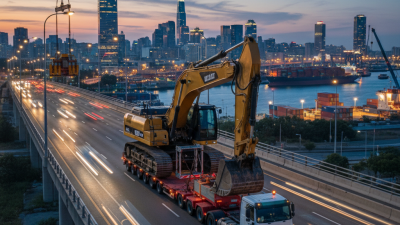
Heavy equipment movers play a crucial role in construction. They transport heavy machinery like excavators and bulldozers safely. Industry standards ensure the safety and efficiency of operations. The Occupational Safety and Health Administration (OSHA) provides guidelines that movers must follow. According to a 2022 report from the Construction Equipment Manufacturers Association, adherence to these standards can reduce job site accidents by nearly 30%.
Regulations demand regular training for equipment operators. This training emphasizes safety protocols and operational standards. A survey by the Heavy Construction Contractors Association indicates that organizations with rigorous training programs see 25% fewer incidents. However, some companies overlook these requirements, leading to potential hazards. This gap in compliance highlights a critical area for improvement within the industry.
Equipment movers must also comply with local regulations. These can vary significantly between states and municipalities. Inconsistent enforcement leads to confusion on construction sites. Operators sometimes lack clarity on permissible procedures, raising safety concerns. Continuous dialogue on best practices is essential for maintaining high standards in moving heavy equipment. Addressing these challenges can lead to a safer working environment for everyone involved.
Impact of Heavy Equipment Movers on Project Efficiency and Safety
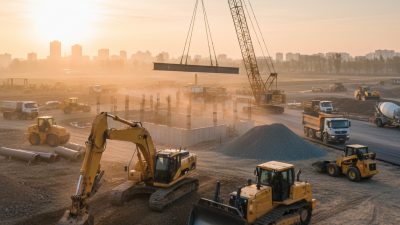
Heavy equipment movers play a crucial role in enhancing project efficiency and safety. According to a report from the Associated Equipment Distributors, efficient heavy equipment operation can reduce project timelines by up to 30%. This acceleration is vital in construction, where time often translates to cost savings. Equipment movers ensure that heavy machinery is strategically placed and moved, minimizing delays caused by poor logistics.
Safety is also significantly impacted by the use of professional heavy equipment movers. A study by the Occupational Safety and Health Administration highlights that proper handling of heavy machinery decreases workplace accidents by 25%. Proper training and movement protocols are essential to prevent incidents. Unfortunately, not all companies prioritize the use of qualified movers, leading to accidents and costly project disruptions. This reliance on inexperienced operators can expose projects to unnecessary risks.
Moreover, the complex nature of modern construction sites demands specialized knowledge in equipment operation. A survey by the National Institute for Occupational Safety and Health found that projects with poorly managed equipment logistics faced delays and safety violations. Despite this, some contractors still underestimate the value of hiring experts. Projects that overlook these aspects often face setbacks that could have been avoided through better planning and investment in experienced movers. The lack of attention to these details can undermine the overall project success.

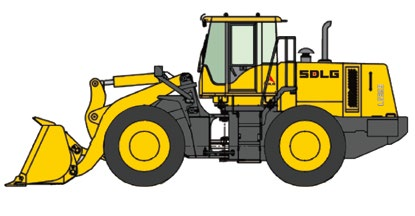 Wheel Loader
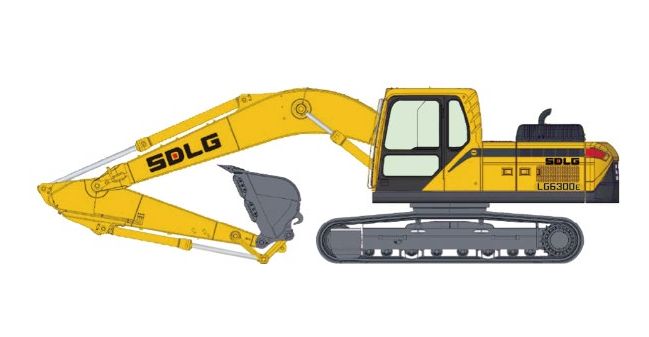 Excavator
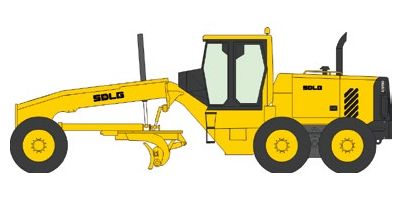 Motor Grader
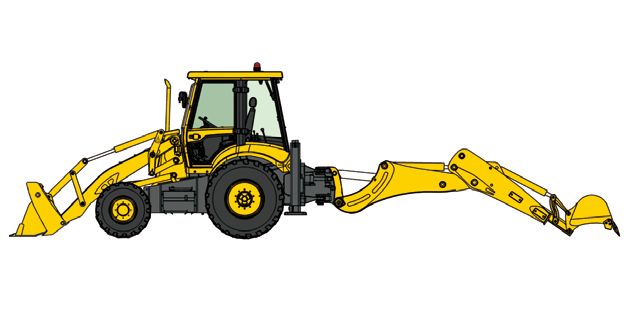 Backhoe Loader
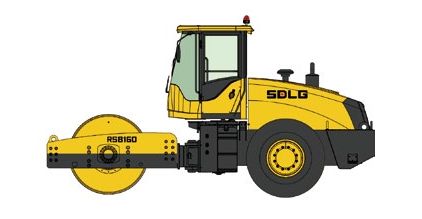 Road Roller
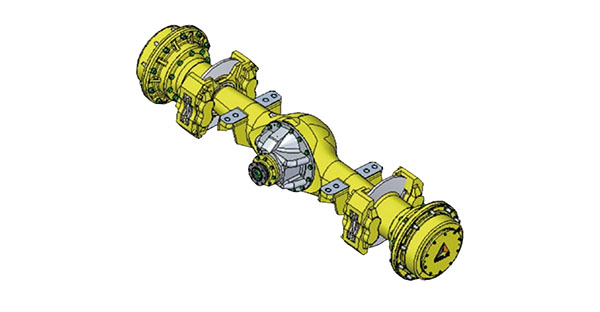 Spare Parts