Leave Your Message

Top 10 Heavy Equipment Movers for Efficient Relocations?

In the construction and industrial sectors, Heavy Equipment Movers play a crucial role in ensuring efficient relocations. Recent reports indicate that logistics and machinery relocation accounts for nearly 15% of total operational costs. Choosing the right mover can significantly impact productivity and minimize downtime, which is essential for project timelines.

Heavy Equipment Movers must possess specialized skills and appropriate machinery to handle massive loads safely. The industry often sees moving projects that require cranes and custom rigging solutions. These complexities highlight the need for experienced movers who understand these unique challenges.

Moreover, reliability is key. A survey showed that 70% of companies face equipment damage during relocation due to inadequate handling. Therefore, assessing the track record and expertise of Heavy Equipment Movers is vital. Using data-driven insights, businesses can optimize their relocation strategies and ensure the integrity of their valuable machinery.

Top 10 Heavy Equipment Movers for Efficient Relocations?

Overview of Heavy Equipment Moving Services

Top 10 Heavy Equipment Movers for Efficient Relocations?

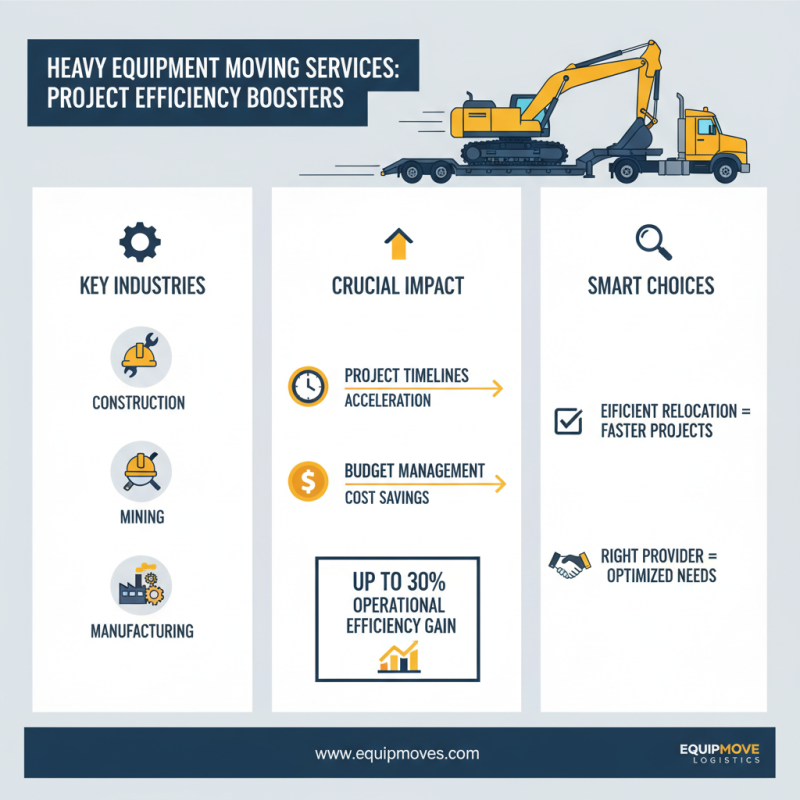
Heavy equipment moving services play a crucial role in various industries, including construction, mining, and manufacturing. Efficient relocation of heavy machinery can significantly impact project timelines and budget management. According to industry reports, timely equipment transport can enhance operational efficiency by up to 30%. Understanding these services helps in choosing the right provider for specific needs.

When considering heavy equipment movers, one must evaluate their experience and track record. Look for companies with a solid reputation for handling complex logistics. Many movers employ advanced technology to streamline the process, ensuring safety and effectiveness. Also, remember that regulatory compliance is paramount in this industry; any lapses can cost time and money.

Tips: Always verify the mover's credentials. A reliable mover should possess the necessary licenses and insurance. Don’t overlook equipment condition; ensure all machinery is in good working order before transport. Consider potential challenges; unforeseen obstacles can arise, leading to delays. Anticipating these factors can save you from costly mistakes.

For a seamless experience, engage a mover that offers comprehensive services. This includes site assessments and specialized equipment. Analytical data shows that companies investing in professional movers can halve their downtime during relocations. It’s a worthwhile consideration for any project.


Factors to Consider When Choosing a Heavy Equipment Mover

Choosing the right heavy equipment mover is vital for a successful relocation. A study from the Heavy Equipment Transportation Association revealed that using experienced movers reduces the risk of equipment damage by up to 30%. This is significant, as expensive machinery loss can hinder your project timeline and budget.

Consider the mover's expertise in handling specific equipment types. Not every mover is equipped for large cranes or specialized vehicles. Knowledge of local regulations is crucial. Inaccurate adherence can lead to costly fines or delays. Reviews and testimonials from similar projects provide insights into a mover's reliability. This feedback can reveal their approach to problem-solving.

Another aspect to evaluate is insurance coverage. A reliable mover should offer comprehensive insurance. According to industry standards, movers should carry at least $1 million in liability coverage. This ensures that any potential damages are taken care of. It’s prudent to ask for documentation to verify this coverage. Assessing these factors can help ensure a smoother, more efficient relocation process.

Top Heavy Equipment Movers: Criteria for Selection

When selecting heavy equipment movers, consider a few critical criteria. Reliability is paramount. According to industry reports, approximately 30% of projects fail due to a lack of trustworthy logistics. For instance, a moving company’s history of on-time deliveries speaks volumes about its dependability. Look for movers who provide detailed case studies or client testimonials.

Experience in handling specific equipment types is equally important. Specialized knowledge ensures that your machinery is packed and transported correctly. A study by the Moving Industry Association shows that 80% of customers prefer movers with direct experience with their equipment. Verifying certifications and safety records can also help gauge a company's expertise in safe operations.

Tips for choosing the right mover include asking for references and researching prior projects. Pay close attention to the equipment owner's insurance coverage. Understand the financial implications if something goes wrong. This awareness can lead to better decisions in selecting an efficient mover. Always ensure that the movers conduct a thorough site assessment before quoting any prices, as this reflects their professionalism and dedication to detail.

Top 10 Heavy Equipment Movers for Efficient Relocations

Mover Rank Experience (Years) Services Offered Geographic Coverage Customer Rating (Out of 5)
1 15 Heavy Equipment Transportation, Rigging National 4.8
2 10 Load and Unload, Transport Regional 4.6
3 20 Heavy Haul, Specialized Transport International 4.9
4 12 Overdimensional Transport, Storage National 4.7
5 8 Transport, Logistics Planning Local 4.5
6 18 Excavator Transport, Safety Management National 4.8
7 14 Crane Rental, Equipment Transport Regional 4.4
8 11 Logistics, Planning Services Local 4.3
9 7 Heavy Machinery Transport, Consultation National 4.2
10 6 Transport, Hauling Services Regional 4.1

Comparative Analysis of Leading Movers in the Industry

When evaluating heavy equipment movers, efficiency is key. Data from recent industry reports reveal that over 70% of companies prioritize timely relocation. Understanding moving capacity is crucial. Some movers can handle up to 200 tons per project, while others specialize in smaller loads. A clear distinction is often seen in the technology used. Innovative companies are employing advanced tracking systems. This enhances transparency during the move.

Customer feedback plays an essential role. Some movers receive high satisfaction rates, while others face criticism over delays. In fact, a survey highlighted that 40% of companies experienced unexpected delays. These insights show the importance of reliability and communication. As the industry evolves, companies must adapt to new regulations and environmental standards. A growing number of movers are now focusing on sustainability. This shift reflects a commitment to reducing carbon footprints.

However, not all movers follow best practices consistently. A lack of industry certifications can indicate potential risks. It’s important for businesses to thoroughly vet their options. Checking reviews and industry feedback is vital. Engaging with past clients offers invaluable perspectives. The right choice in heavy equipment moving can lead to smoother transitions and cost savings. Understanding the nuances of each mover's capabilities can make a significant difference.

Tips for a Smooth Equipment Relocation Process

Relocating heavy equipment can be a daunting task. Proper planning is essential for a smooth process. According to a 2022 industry report, 70% of failed relocations stem from inadequate preparation. Gathering accurate data about the equipment size, weight, and transportation needs is crucial. This information helps logistics teams develop an effective strategy for moving.

Communication is key throughout the process. Engaging all stakeholders early on can prevent misunderstandings and delays. In fact, a study by the International Heavy Equipment Association found that projects with clear lines of communication are 30% more likely to stay on schedule. Regular updates ensure that everyone is aligned, reducing the risk of hiccups.

Consider potential challenges and reflect on past moves. Unexpected weather conditions can disrupt schedules. Post-move evaluations are beneficial. These reflections provide insights into what worked and what didn’t. Learning from previous experiences makes future relocations more efficient. This approach fosters an atmosphere of constant improvement in handling heavy equipment moves.