Heavy Machinery Transport in China What You Need to Know?
Heavy Machinery Transport is a crucial sector in China, a country known for its rapid industrial growth. The heavy machinery market was valued at approximately $25 billion in 2022 and is projected to grow at a CAGR of around 6% by 2026. This growth underscores the need for efficient transport solutions. Efficient logistics can reduce costs significantly, making projects more viable.
Challenges in Heavy Machinery Transport are abundant. Limited infrastructure in some regions can hinder transportation. Moreover, the risks associated with moving large equipment should not be underestimated. Accidents can lead to costly delays and liability issues. Studies indicate that many companies overlook these risks, affecting project timelines and budgets.
Establishing partnerships with reliable logistics providers is essential. Experienced professionals in this field understand the complexities of transporting heavy machinery. Trustworthy providers ensure compliance with regulations and manage logistics seamlessly. In this evolving landscape, staying informed about market trends and transport technologies is essential. Businesses must be proactive in addressing the challenges of Heavy Machinery Transport in China.
Understanding Heavy Machinery Transport Regulations in China
Transporting heavy machinery in China presents unique challenges. An understanding of regulations is essential for seamless operations. Heavy machinery often requires special permits due to its size and weight. Transport companies must navigate local laws to ensure compliance. Each province may have different rules. It's crucial to research these regulations thoroughly.
Permits typically include information about the route and load. Without proper documentation, delays can occur. Authorities may stop transport for inspections. These checks can cause frustrating holdups. Companies must prepare for these potential obstacles. Having all necessary paperwork in order speeds up the process.
Safety is a primary concern as well. Many transport routes may have restrictions due to road conditions. Understanding these restrictions allows for better planning. Communication with local officials can also aid in ensuring smooth transport. Challenges may arise, but being informed helps mitigate risks. A proactive approach is vital in handling heavy machinery transport in China.
Key Considerations for Choosing Heavy Machinery Transport Providers
Transporting heavy machinery in China requires careful planning. There are several factors that you must consider. One of the most critical aspects is choosing a reliable transport provider. Expertise in heavy machinery logistics is essential. Not all providers have the necessary experience to handle oversized loads safely. Verify their track record and client reviews. Ask for case studies where they successfully managed similar transport tasks.
Another important consideration is compliance with local regulations. Understanding the legal requirements for transporting heavy machinery is crucial. Some regions may have restrictions on weight and size. Heavy equipment might need special permits to flow through certain areas. Assess if the provider is knowledgeable about all local laws and can handle the paperwork efficiently.
In addition, evaluate the transport method utilized. Depending on distance and terrain, some providers may suggest road transport, while others might recommend rail. Ultimately, the choice should align with your needs. Inspect the condition of transport vehicles and equipment. Look for signs of wear that could affect safety and reliability. A provider's willingness to discuss these details speaks to their professionalism. Transparency in operations helps build trust.
Heavy Machinery Transport in China: Key Considerations
This bar chart illustrates key metrics for heavy machinery transport in China, including transportation cost per kilometer, loading time in hours, estimated delivery time in days, and the safety rating. These factors are essential for businesses when selecting transport providers.
Common Challenges Faced in Heavy Machinery Transport Logistics
Heavy machinery transport in China presents several unique challenges. One major hurdle is the country’s vast network of infrastructure. Transporting large equipment through busy urban areas can lead to significant delays. In fact, a recent report from the China Logistics and Purchasing Federation noted that over 60% of logistics providers face traffic congestion issues. These obstacles can delay projects and inflate costs.
Another challenge stems from regulatory complexities. Navigating local and national regulations can be daunting. Each province may have its own rules regarding permits and routes. A study by the China Development Research Foundation highlighted that 50% of logistics companies struggle with compliance. This often results in fines or unforeseen delays. Proper planning and assessment of regulatory landscapes are essential.
Weather conditions also play a crucial role. Heavy rains or fog can create dangerous transport conditions. Adverse weather can contribute to accidents and damage to machinery. Statistics from the China Meteorological Administration indicate that severe weather is responsible for about 30% of logistics disruptions. Understanding these challenges can help companies improve their operations and mitigate risks.
Heavy Machinery Transport in China: Common Challenges Faced in Heavy Machinery Transport Logistics
| Challenge |
Description |
Impact |
Possible Solutions |
| Regulatory Compliance |
Navigating complex regulations on transportation permits and routes. |
Delays and legal issues. |
Consult with legal experts and invest in training. |
| Road Infrastructure |
Insufficient infrastructure for transporting heavy machinery. |
Increased transit times and potential damage to equipment. |
Use route planning software and infrastructure assessment. |
| Weather Conditions |
Extreme weather can lead to transport delays. |
Higher costs and schedule disruptions. |
Utilize weather monitoring services for planning. |
| Equipment Handling |
Inadequate training for personnel in handling heavy machinery. |
Increased risk of accidents and damages. |
Implement regular training programs and certifications. |
| Cost Management |
Rising fuel and transportation costs. |
Reduced profit margins. |
Optimize logistics and consider alternative fuels. |
Safety Protocols for Transporting Heavy Machinery in China
Transporting heavy machinery in China can be challenging. It requires careful planning and adherence to safety protocols. Proper training is crucial for all personnel involved in the transport process. Understanding local regulations and guidelines ensures compliance and prevents accidents.
Tips: Conduct thorough inspections of machinery before transport. Ensuring the equipment is in good condition reduces risks during transit. All loading and unloading areas should be secured to prevent unauthorized access. This is vital for maintaining a safe environment.
Effective communication is key when transporting heavy machinery. Use clear signals and established protocols among team members. Always have a safety officer present during loading and unloading. This individual helps monitor compliance with safety measures and can intervene if necessary.
Tips: Familiarize yourself with local road conditions. Weather and traffic can affect transport times. Delays may occur if you are unprepared for unexpected situations. Always have a contingency plan in place for emergencies.
Cost Factors Influencing Heavy Machinery Transport Services in China
Transporting heavy machinery in China involves various cost factors that can significantly influence service fees. Fuel prices are a primary concern, as fluctuations impact overall transport expenses. According to a recent industry report, fuel costs account for nearly 30% of total logistics expenses. This is crucial for businesses to consider, especially when planning for long-distance hauls.
Another vital factor is the type of machinery being transported. Heavy equipment often requires specialized transport vehicles. These vehicles, tailored for weight and dimensions, can double transportation costs compared to standard goods. Additionally, loading and unloading equipment are necessary to ensure safe transport, further adding to expenses.
Regulatory fees also play a role in determining costs. Different provinces in China may impose distinct regulations and tolls for heavy machinery transit. A recent survey indicated that an average 15% of transport costs can be attributed to regulatory fees. Despite these challenges, navigating these complexities can lead to more efficient transport solutions. Understanding these cost factors is essential for businesses aiming to optimize their logistics strategy.

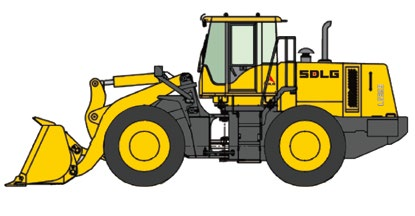 Wheel Loader
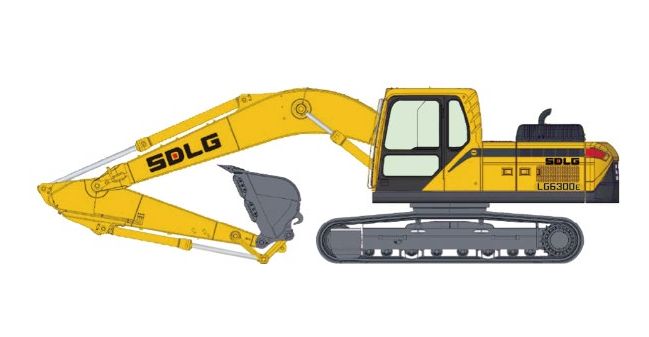 Excavator
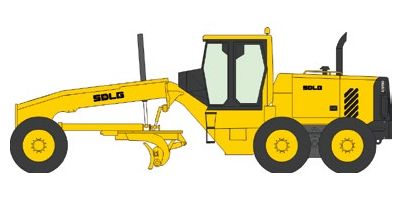 Motor Grader
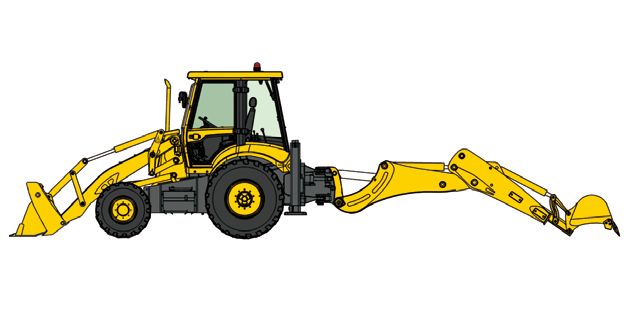 Backhoe Loader
 Road Roller
 Spare Parts