Leave Your Message

How to Find a Reliable Mobile Excavator Mechanic?

Finding a reliable Mobile Excavator Mechanic can protect your equipment, schedule, and operating budget. A damaged hydraulic hose may look minor, yet it can stop a machine beside a muddy trench. The right technician notices those details before they become expensive failures.

Keith Haddock, a respected heavy-equipment author and industry educator, has emphasized a practical principle: “Good maintenance begins with understanding the machine, not simply replacing parts.” That idea matters when choosing field service. Look for a mechanic with documented excavator experience, hydraulic training, and knowledge of diesel systems. Ask about previous repairs involving your machine’s make and model. A confident professional should explain the fault clearly, describe the testing process, and provide a written estimate.

Check the small signals. Does the mechanic arrive with pressure gauges, diagnostic software, and common seals? Do they photograph damaged components before removing them? Can they explain whether a repair is urgent or can wait? These details reveal preparation and honesty.

Credentials help. So does experience.

Still, no mechanic is perfect. Even a skilled technician may need additional testing when electrical and hydraulic symptoms overlap. A rushed diagnosis can happen. That is why written findings, parts information, and repair warranties deserve attention. Speak with former customers, verify business details, and compare practical answers rather than choosing the cheapest callout.

A dependable Mobile Excavator Mechanic does more than restore movement. They reduce repeat breakdowns, communicate limitations, and leave the work area safer and cleaner. That standard is worth requiring.
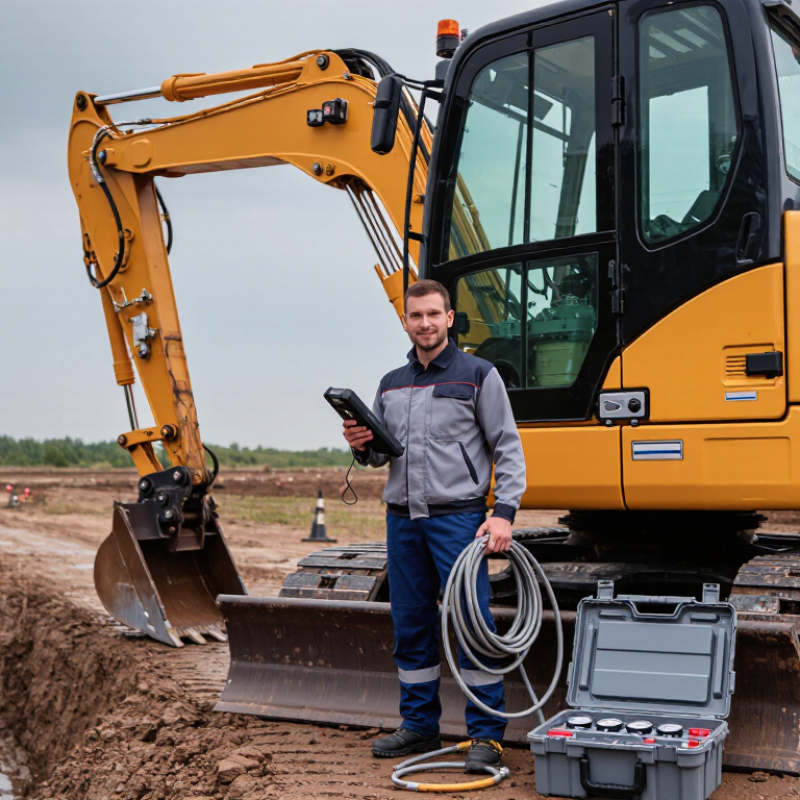
How to Find a Reliable Mobile Excavator Mechanic?

Define the Role and Skills of a Mobile Excavator Mechanic

A mobile excavator mechanic repairs and maintains excavators at construction sites, farms, and remote work areas. The role combines mechanical knowledge with practical field judgment. Unlike a workshop technician, this mechanic travels to the machine and works with limited tools, poor weather, and uneven ground.

Strong diagnostic skills matter most. A reliable mechanic can inspect hydraulic hoses, pumps, valves, tracks, engines, and electrical connections. They should read service diagrams and use pressure gauges correctly. They also listen for unusual knocking, watch for slow arm movement, and check for fluid leaks under working pressure. Small clues often reveal serious faults. Not every problem is obvious.

Communication is equally important. The mechanic should explain the fault in clear language and describe which repairs are urgent. Accurate inspection notes, photographs, and maintenance records show professional discipline. Ask about previous repairs, testing procedures, and estimated downtime before hiring. Experience with similar excavator systems is useful, but it does not replace careful testing. Even skilled mechanics can misdiagnose a fault when they rush. A dependable professional admits uncertainty, checks the evidence again, and avoids replacing expensive parts without proof. Reliability grows through honest reporting, safe work habits, and consistent follow-up.

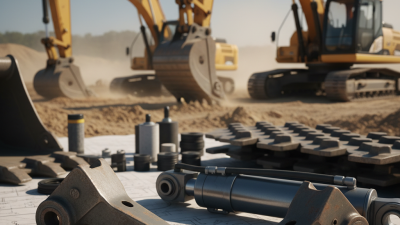
Identify Your Excavator’s Repair and Service Requirements

Before calling a mobile excavator mechanic, identify what the machine is actually doing wrong. Record slow boom movement, hydraulic noise, oil leaks, unusual smoke, or engine temperature changes. Note when each symptom appears. Under heavy digging? During cold starts? After several hours?

Small details matter. A bucket that drifts while parked may suggest hydraulic leakage or valve trouble. Metal particles in the hydraulic filter need urgent attention. Cracked hoses, loose fittings, and damaged tracks can also create serious downtime. Take clear photos and check the hour meter. A mechanic can work faster with evidence.

Review recent service records, including fluid changes, filter replacements, and previous repairs. If records are missing, admit it. Guesswork wastes money. A qualified mechanic should inspect the excavator, explain the likely cause, and separate urgent repairs from routine maintenance. Ask whether testing includes hydraulic pressure, electrical connections, cooling performance, and undercarriage wear.

Safety comes before convenience. Do not reach beneath raised attachments or operate equipment with a suspected hydraulic failure. I have seen operators focus on one leak and miss a damaged fitting nearby. That mistake is easy to make. A second inspection may feel unnecessary, but it can reveal hidden wear before a small fault becomes an expensive field breakdown.

How to Find a Reliable Mobile Excavator Mechanic? - Identify Your Excavator’s Repair and Service Requirements

Excavator Area Typical Warning Signs Required Repair or Service Recommended Urgency What a Reliable Mobile Mechanic Should Check Useful Technician Evidence
Hydraulic System Slow or weak movement, overheating, hydraulic oil leaks, noisy pump, or cylinders that drift under load. Leak inspection, hose and fitting replacement, hydraulic filter service, pressure testing, and cylinder seal repair when required. High if there is a major leak, loss of control, or unsafe boom movement. Fluid level and condition, operating pressure, relief-valve performance, hose routing, cylinder drift, and contamination. Hydraulic pressure readings, leak-test results, photographs of damaged components, and a written repair scope.
Engine and Cooling System Hard starting, excessive smoke, loss of power, overheating, coolant loss, or unusual engine noise. Engine fault diagnosis, oil and filter service, cooling-system cleaning, belt inspection, coolant leak repair, and electrical testing. High for overheating, low oil pressure, or severe smoke; continued operation may cause major damage. Coolant temperature, oil pressure, air and fuel filters, radiator restriction, battery voltage, and diagnostic fault codes. Documented test values, fault-code interpretation, cooling-system inspection, and an explanation of root cause rather than only symptoms.
Undercarriage and Tracks Uneven track wear, track derailment, abnormal travel noise, loose track, damaged rollers, or reduced travel performance. Track-tension adjustment, roller and idler inspection, sprocket measurement, travel-motor testing, and replacement of worn components. Medium to high, depending on wear, derailment risk, and site conditions. Track sag or tension, shoe and link wear, roller condition, final-drive leaks, frame damage, and travel speed in both directions. Wear measurements compared with service limits, clear photographs, and a recommendation separating immediate repairs from planned work.
Boom, Arm, and Bucket Cracks, excessive pin movement, loose bushings, bucket wobble, slow attachment movement, or visible structural deformation. Pin and bushing measurement, lubrication, weld inspection, cylinder inspection, bucket-tooth replacement, and structural repair if approved. High when cracks, severe looseness, or attachment-control problems affect safe lifting or digging. Crack location, pin clearance, bushing wear, weld condition, cylinder leakage, and attachment compatibility. Measurement records, non-destructive inspection when appropriate, repair photographs, and safe load or operating recommendations.
Electrical and Control Systems Intermittent shutdowns, warning lights, failed gauges, weak battery, starter problems, or unresponsive controls. Battery and charging-system test, wiring inspection, sensor diagnosis, fuse and relay testing, and control-system fault-code analysis. Medium to high; immediate attention is needed if controls or safety interlocks fail. Battery state, alternator output, grounds, connectors, harness damage, error codes, and safety-switch operation. Voltage and continuity readings, code reports, wiring diagrams used for diagnosis, and a clear explanation of tested circuits.
Swing System Excessive swing play, grinding noise, jerky rotation, oil leakage, or difficulty holding position on a slope. Swing-bearing inspection, gear and motor evaluation, lubrication, backlash measurement, and seal or component replacement. High when there is abnormal play, severe noise, or uncontrolled rotation. Bearing play, gear condition, swing-brake operation, lubrication condition, motor pressure, and mounting-bolt security. Measured backlash or play, pressure-test results, and a safety-based recommendation on whether the machine can continue operating.
Cab, Safety, and Operator Controls Damaged windows, poor visibility, failed alarms, defective seat belt, nonfunctional lights, or faulty emergency controls. Safety inspection, alarm and interlock testing, lighting repair, seat-belt replacement, glass replacement, and control calibration. Immediate if a safety device, visibility feature, or emergency control does not work. Horn, alarms, travel controls, hydraulic lockout, seat belt, mirrors, windows, steps, handrails, and fire-extinguisher access. A signed inspection checklist, documented failed safety items, and confirmation that repairs were function-tested.
Routine Preventive Maintenance Overdue service hours, dirty filters, contaminated fluids, dry pivot points, or missing maintenance records. Fluid and filter replacement, lubrication, belt inspection, fastener checks, fluid sampling when useful, and service-record updates. Planned, but overdue maintenance should be scheduled before heavy operation continues. Hour-meter reading, previous service history, fluid specifications, filter condition, grease points, and leaks requiring follow-up. A completed service checklist, used-part return or disposal record when applicable, fluid quantities, and the next service interval.
Mobile Mechanic Reliability Vague diagnosis, unexplained charges, repeated repairs for the same fault, poor communication, or no written warranty terms. Request a documented inspection, itemized estimate, repair priorities, parts information, labor assumptions, and completion report. Before authorizing work, except for an immediate safety or containment repair. Relevant heavy-equipment experience, correct diagnostic tools, safe work procedures, service-manual access, and ability to work at the machine location. Verifiable references, proof of insurance where required, clear written warranty terms, itemized invoices, and before-and-after documentation.
Service planning note: Maintenance intervals vary by excavator model, engine, operating environment, and accumulated hours. Always compare the mechanic’s recommendations with the machine’s service manual, hour meter, operating conditions, and maintenance history. Stop operation immediately when there is a serious hydraulic leak, uncontrolled movement, overheating, structural cracking, or a failed safety device.

Check Mechanic Qualifications, Experience, and Equipment

A reliable mobile excavator mechanic should show more than a certificate. Ask about formal training, safety qualifications, and experience with hydraulic, electrical, and engine systems. A skilled technician can explain a fault in plain language, not hide behind technical terms.

Experience becomes clearer through specific questions. Have they repaired similar excavators in muddy sites, quarries, or tight urban spaces? Ask for recent references and anonymized service reports. Look for details such as hydraulic pressure readings, worn track rollers, oil contamination, or repeated overheating. Vague answers deserve caution. A clean uniform proves little.

The mechanic’s equipment also matters. A dependable professional should carry calibrated pressure gauges, electrical testing tools, diagnostic equipment, proper lifting gear, and current service information. Ask whether they inspect the machine before replacing parts. This can prevent an expensive guess. They should provide photos, a written estimate, and a clear explanation of urgent and non-urgent repairs.

I have learned that qualifications alone do not guarantee careful work. A mechanic may be experienced but poorly organized. Another may own excellent tools but lack practical judgment. Check response times, communication, and how they document each repair. Before approving major work, ask what could fail again and why. A thoughtful mechanic will admit uncertainty when evidence is incomplete. That honesty is often more valuable than confident promises.

Compare Availability, Service Areas, Pricing, and Response Times

Finding a reliable mobile excavator mechanic starts with availability. A capable technician should explain current workload clearly. Ask whether they handle emergency breakdowns, scheduled inspections, or both. Service areas matter too. Confirm travel limits, mileage charges, and access requirements before booking. A mechanic familiar with your local terrain may diagnose problems faster. Experience with hydraulic leaks, track damage, and engine faults is especially valuable.

Response time should be specific, not vague. Ask when the mechanic can arrive and what happens if parts are unavailable. A professional will request machine details, fault codes, photographs, and jobsite access information. Pricing should include call-out fees, travel, labor, diagnostic time, and estimated parts. Request a written quote, but allow room for hidden damage. A low price can look attractive until the excavator remains idle for another day. I have learned that speed is not always quality. The cheapest response may create a second repair.

Tips: Compare at least three local mechanics. Check recent customer feedback and ask for service records or relevant qualifications. Keep the machine model, operating hours, and last repair details ready. Confirm whether the technician carries common filters, hoses, and electrical testing tools. Ask for arrival updates if the jobsite is remote. A clear communication trail protects both sides.

This comparison uses typical U.S. heavy-equipment field-service planning ranges. Independent mechanics often offer lower hourly rates, while dealer or emergency field service generally provides broader availability and faster response at a higher cost. Actual travel areas, rates, and response times vary by location, equipment type, and parts availability.

Verify References, Safety Practices, Warranties, and Service Terms

How to Find a Reliable Mobile Excavator Mechanic?

A dependable mobile excavator mechanic should provide recent references from comparable job sites. Call those customers instead of relying only on online reviews. Ask what failed, how quickly the mechanic arrived, and whether the repair lasted. I once trusted a confident recommendation and missed a poor recordkeeping problem. That mistake delayed a drainage project by two days.

Safety practices deserve direct questions. Does the mechanic inspect the machine before starting? Do they use wheel chocks, personal protective equipment, and proper isolation procedures? A careful professional should explain risks around hydraulic pressure, raised booms, and unstable ground. Watch their behavior on site. Clean tools and clear communication matter. So does stopping work when conditions become unsafe.

Get service terms in writing before authorizing repairs. The document should identify diagnostic charges, travel fees, labor rates, parts approval, and expected response times. Ask how emergency calls differ from scheduled visits. Request a written warranty covering labor and replaced parts, including its duration and exclusions. A strong mechanic explains these limits without vague promises. Still, paperwork is not perfection. Confirm the mechanic’s training, relevant experience, and ability to document test results. Request photos of damaged components and the completed repair. If the terms remain unclear, pause before signing. Your machine may be expensive, but haste can cost more.