2026 Top Excavator Parts for Global Buyers to Know?
In the dynamic realm of construction and heavy machinery, understanding excavator parts is crucial for global buyers. Excavators are essential in numerous industries, from construction to mining. The performance of these machines heavily relies on the quality and reliability of their parts. As a buyer, navigating the complex market for excavator parts can be daunting.
What should one consider? Each part plays a significant role in ensuring efficiency and safety. Buyers often struggle with the overwhelming number of options. Not every part is created equal. Some may promise performance but fail in durability. It's vital to evaluate suppliers' reputations and product certifications.
As we explore the top excavator parts for 2026, awareness of market trends and innovations is essential. This guide aims to shed light on critical components, helping you make informed decisions. Understanding these essentials can not only enhance performance but also foster long-term relationships with trusted suppliers. Navigate wisely in this competitive landscape.
Top Trends in Excavator Parts for 2026 Global Market
The global market for excavator parts is evolving rapidly. In 2026, several key trends will shape the industry. Sustainability is at the forefront. Buyers are increasingly looking for eco-friendly materials. This shift will drive manufacturers to innovate. They must focus on reducing environmental impact.
Another trend is the demand for smart technology. Companies are integrating IoT capabilities into excavator parts. This means enhanced efficiency and better performance tracking. For buyers, understanding these innovations is essential. Consult with experts to explore how smart technology can benefit your operations.
Tips: When considering upgrades, focus on compatibility with existing machinery. This can save time and costs. Be aware of supplier reputation before making purchases. Quality assurance is crucial. Always compare multiple options to find the best fit for your needs. Stay informed about market developments to adapt effectively.
2026 Top Excavator Parts for Global Buyers to Know
| Part Category |
Material |
Weight (kg) |
Average Price (USD) |
Market Trend |
| Hydraulic Cylinder |
Steel |
200 |
$1,500 |
Increasing demand due to advanced hydraulic technology |
| Excavator Buckets |
High-strength Alloy |
150 |
$700 |
Rising popularity for versatile applications |
| Track and Undercarriage Components |
Composite Materials |
300 |
$2,000 |
Stable growth driven by infrastructure projects |
| Engines |
Engineered Cast Iron |
400 |
$5,000 |
Continued investment in fuel efficiency technology |
| Electronics and Control Systems |
Plastic and Metal |
50 |
$1,200 |
Rapid growth due to automation trends |
Essential Components for High-Performance Excavators
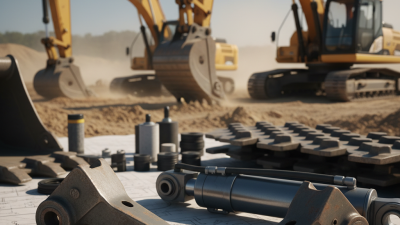
When considering high-performance excavators, understanding essential components is crucial. Key parts optimize functionality and ensure machines operate efficiently. One vital component is the hydraulic system. Hydraulics drive the excavator's arms and bucket, allowing precise movements. Regular maintenance of hydraulic fluids can prevent leaks and malfunctions.
Another important aspect is the undercarriage. This supports the entire excavator and impacts stability. High-quality tracks and rollers enhance traction on various terrains. Investing in durable undercarriage components can increase longevity, yet some buyers overlook this.
Tips: Always check the wear on your tracks. Inspecting daily can save on costly repairs later. Also, consider the engine's oil filters. Clean filters are essential for smooth operation. Remember, small components can have large impacts on performance. Ensure you maintain these with regular checks. Keep a log of your maintenance for future reference.
2026 Top Excavator Parts for Global Buyers
This chart illustrates the market demand for various essential components of excavators in 2026. The data indicates the number of units sold for each part, showcasing the relative popularity and necessity of these items in the global market.
Innovations in Excavator Parts Technology for 2026
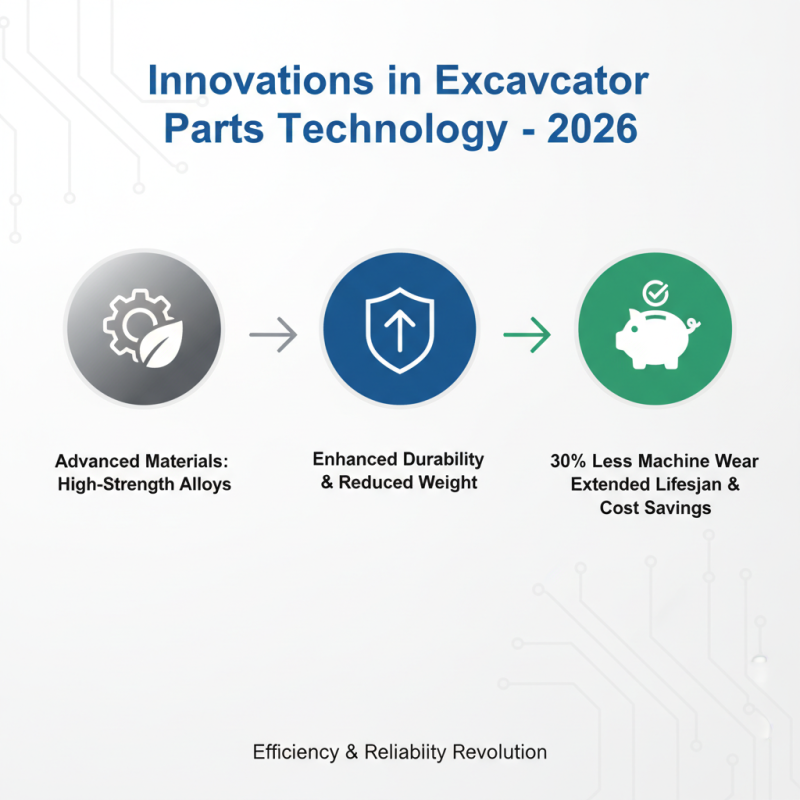
Excavator parts technology is evolving rapidly, driven by the industry's demand for efficiency and reliability. In 2026, we're seeing innovations that promise to revolutionize operations. For instance, advanced materials are now being utilized to enhance durability while reducing weight. Reports indicate that parts made from high-strength alloys can lower machine wear by 30%. This improvement helps in prolonging the lifespan of excavators, allowing for substantial cost savings.
Innovations in hydraulics are also noteworthy. New systems offer better fuel efficiency, improving the overall performance of excavators. According to a recent industry report, modern hydraulic parts can boost productivity by up to 25%. They respond faster and more precisely, which is critical for delicate operations. However, the complexity of integrating these advanced parts can present challenges. Operators need proper training to maximize their potential.
Tip: Proper maintenance of new excavator parts enhances their lifespan. Regular inspections can prevent costly breakdowns.
Another key area is telematics technology, providing real-time data on performance and maintenance needs. Machines equipped with telematics can identify issues before they escalate. A study revealed that companies using telematics achieved a 15% reduction in downtime. Nonetheless, integrating these systems requires investment and can complicate operations. Understanding the benefits versus the challenges is essential for businesses moving forward.
Key Suppliers and Manufacturers of Excavator Parts Worldwide
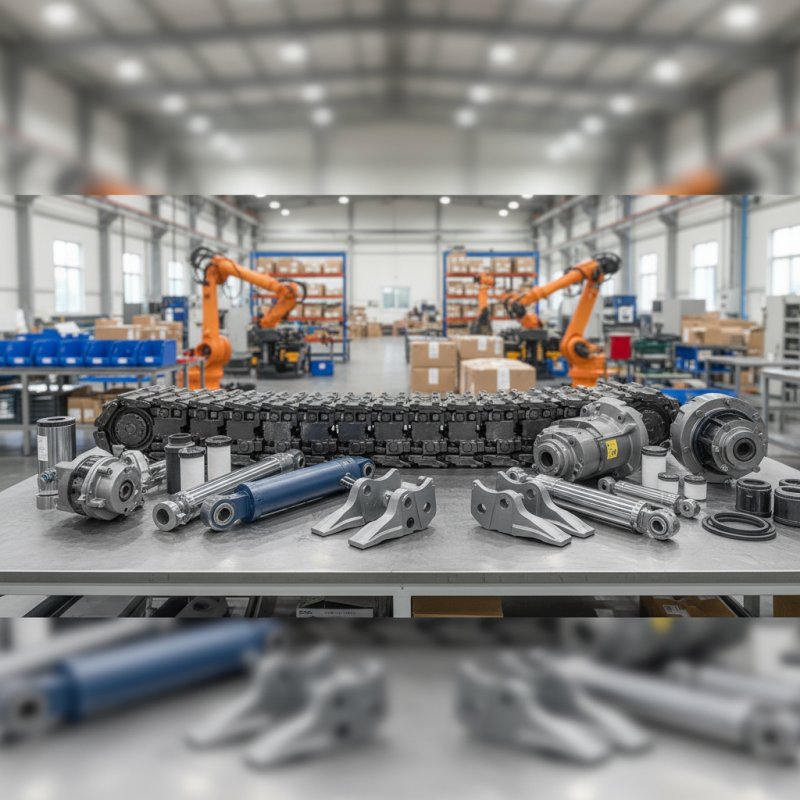
In the world of excavators, sourcing high-quality parts is crucial for optimal performance. Various suppliers and manufacturers have emerged globally, catering to this demand. The market features both established companies and emerging players, each offering unique components. Important parts include hydraulic pumps, tracks, and buckets, all essential for operational efficiency.
Key suppliers often focus on different regions. For instance, some specialize in North America, while others target Asia. Each manufacturer may have its strengths and weaknesses. Buyers must consider quality assurance and after-sales support. Some manufacturers may not provide sufficient documentation, making it hard to assess quality.
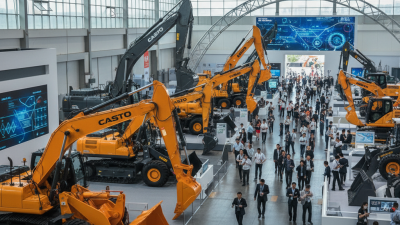
The networking aspect is vital as well. Engaging with manufacturers at trade shows can yield valuable insights. However, it can be challenging to determine reliability just from marketing materials. Genuine reviews and interactions often reveal the truth behind the products. Building a relationship with suppliers can foster trust, but it requires diligence and attention to detail.
Best Practices for Sourcing Excavator Parts as a Global Buyer
Sourcing excavator parts requires a strategic approach. Begin by identifying the specific components needed. Understanding the specifications helps align with suppliers that meet your quality standards. Look for manufacturers with a reputation for reliability. Reliable sources often provide more than just parts; they offer support and expertise.
Establishing a good relationship with suppliers can facilitate smoother transactions. Communication is key. Make sure to discuss lead times, minimum order quantities, and return policies upfront. This helps prevent misunderstandings later. Ask for samples where possible. Examining physical parts can reveal their quality and compatibility with your equipment.
Be mindful of market trends and technological advancements. The excavator parts industry evolves rapidly. New materials and designs may emerge. It’s crucial to stay informed. Attend trade shows or industry conferences if possible. Networking helps gather insights. Always assess the supplier’s certifications and compliance with safety standards. A few missteps in sourcing can lead to significant downtime or costly repairs.

 Wheel Loader
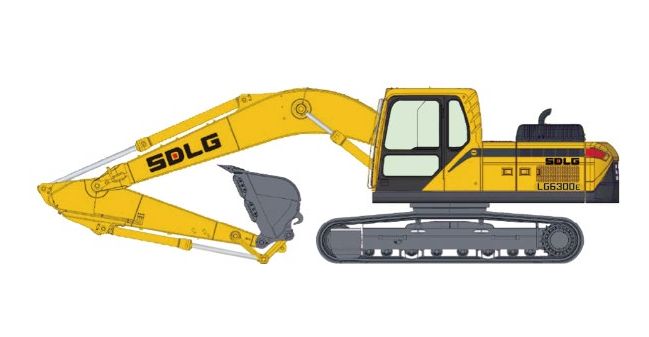 Excavator
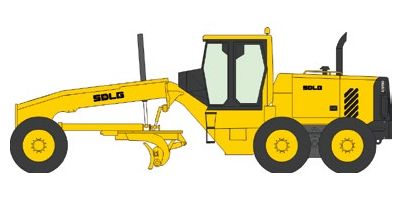 Motor Grader
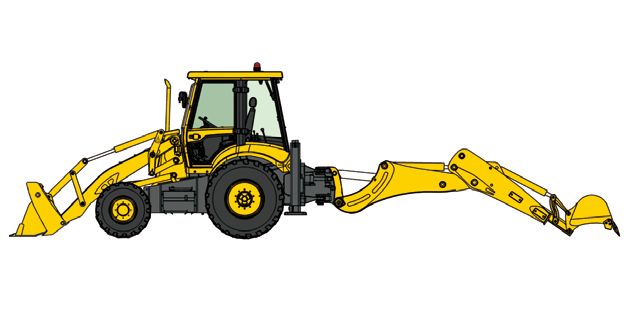 Backhoe Loader
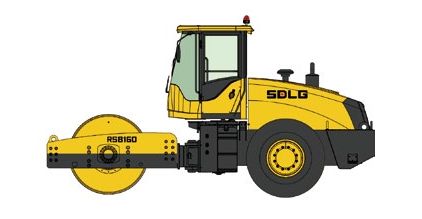 Road Roller
 Spare Parts