How to Choose the Right Excavator Parts for Your Project?
Choosing the right excavator parts is crucial for any successful project. The right components ensure efficiency and longevity. However, selecting parts can feel overwhelming. Different projects have different needs, and not all parts are created equal.
When searching for excavator parts, consider quality and compatibility. Not all manufacturers offer reliable components. Sometimes, cheaper options can lead to bigger issues down the line. It's essential to do your research and understand what each part does. When in doubt, consult with experts in the field.
Additionally, reflect on your project's specific requirements. Will you be working in tough conditions? Some parts may need to withstand significant pressure. It's vital to match the parts to the demands of your worksite. This careful consideration can save time and money, making a noticeable difference in your project's success.
Understanding the Different Types of Excavator Parts Available
Choosing the right excavator parts for your project requires understanding the various types available. Excavator parts include boom, arm, bucket, and undercarriage components. Each part serves a unique purpose and affects the machine's performance. According to industry reports, over 60% of equipment failures can be traced back to subpar parts.
Booms are essential for lifting and moving materials. They determine the reach and load capacity of the excavator. Arms connect the boom to the bucket, crucial for precision. If the arm is too weak, it could lead to accidents or inefficiencies. The bucket shape and size impact the type of materials it can handle. A poorly chosen bucket can result in reduced productivity.
The undercarriage components, such as tracks and rollers, significantly influence mobility. A study found that 30% of maintenance costs stem from undercarriage wear. This emphasizes the importance of selecting durable materials for longevity. Don’t overlook the significance of these components, as they can either enhance or hinder your project’s success. Always reflect on the quality of the parts you are selecting. The right parts can lead to improved operation; the wrong ones could cause setbacks.
Excavator Parts Selection Chart
This chart illustrates the distribution of various types of excavator parts commonly used in construction projects. Understanding the different parts can significantly impact project efficiency and cost-effectiveness.
Assessing Compatibility with Your Specific Excavator Model
When selecting excavator parts, compatibility with your specific excavator model is crucial. Different models have unique specifications that determine which parts will function properly. According to a report by the Equipment Manufacturers Association, nearly 25% of equipment failures stem from using incompatible components. This staggering statistic emphasizes the importance of double-checking compatibility.
To ensure the right fit, always refer to your excavator's manual. Most manuals provide detailed specifications for parts, including sizes and materials. For example, hydraulic pump types can vary greatly between models. An incompatible pump might not deliver the necessary pressure or flow, leading to suboptimal performance.
It’s also essential to consider the intended use of the excavator. A part that works well in one context might underperform in another. For instance, using a standard bucket for heavy-duty excavation can result in quicker wear and tear. User reviews often report issues caused by improper part selection. Before making a purchase, take time to read feedback. Understanding these nuances can improve overall project efficiency.
Considering Cost versus Value in Excavator Parts Selection
When selecting excavator parts, balancing cost and value is crucial. Many people tend to focus solely on the price. While cheaper options can save money upfront, they might not last as long. These parts may lead to unexpected costs later on, like repairs or replacements. Think about how often the part will be used. A low-cost part for infrequent use might make sense, but not for heavy, daily tasks.
Value encompasses more than just price. It includes durability, warranty, and performance. Investing in higher-quality parts often results in better efficiency. This can improve operational productivity over time. However, it’s not always clear what constitutes high quality. Research can get overwhelming. Sometimes, you might rely on reviews or peer recommendations. Still, personal experience plays a significant role here.
Balancing cost and value isn’t straightforward. A part may seem financially feasible at first glance, yet its longevity could be in question. Reassessing your specific needs is important. Ask yourself: how will this part perform under pressure? Reflecting on past experiences can help make better choices in the future. A thoughtful approach often leads to more satisfying outcomes.
Researching Reliable Suppliers for Excavator Parts Procurement
When procuring excavator parts, finding reliable suppliers is crucial. Start by researching potential suppliers online. Look for customer reviews and ratings. A supplier's reputation can tell you much about their reliability. Visit their websites to gather more information. Take note of their product range and services offered. This will help you make informed decisions.
Don't overlook local suppliers. Sometimes, they offer better prices and quicker delivery. Contact suppliers directly to ask questions. Get a feel for their customer service. Are they responsive? Do they provide clear answers? These factors can reveal their commitment to quality.
Consider checking industry forums and communities. You can find recommendations and warnings from fellow professionals. Network with peers to gather their insights. Real-life experiences often highlight issues other customers faced. Use these details to refine your choice. Trust your instincts when making a decision, but ensure you have enough information to back it up. Not every supplier meets expectations, and some may require deeper digging.

 Wheel Loader
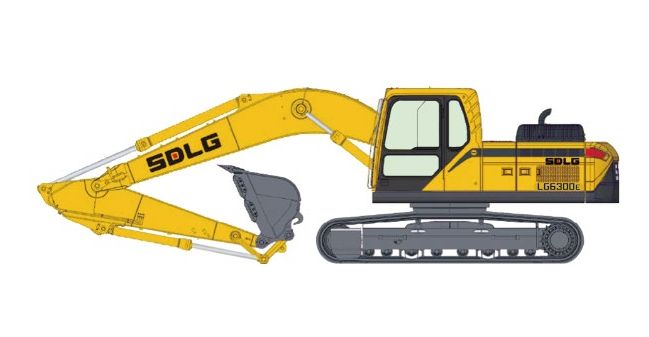 Excavator
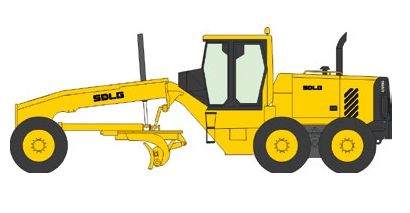 Motor Grader
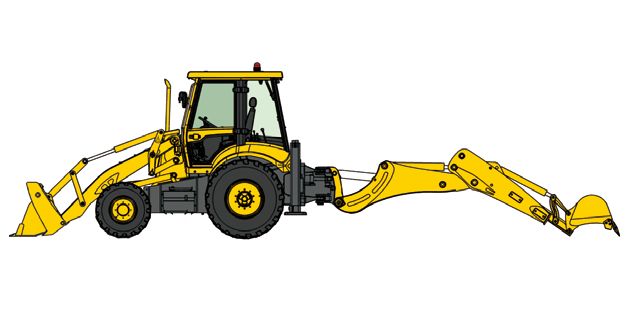 Backhoe Loader
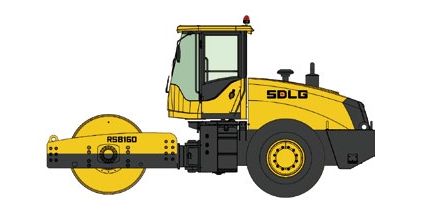 Road Roller
 Spare Parts