
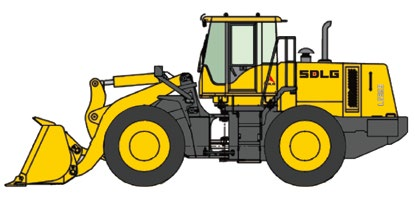
 Wheel Loader
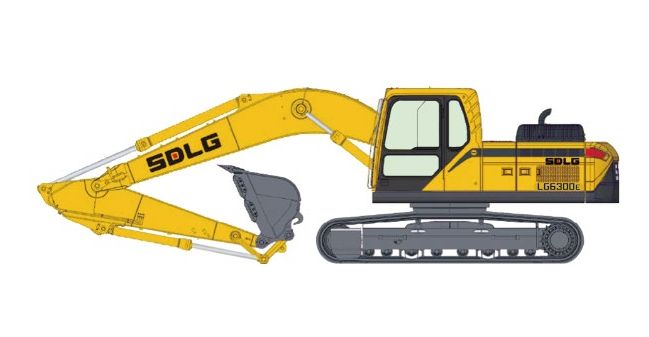 Excavator
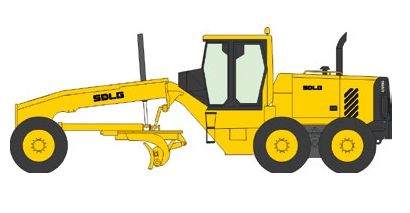 Motor Grader
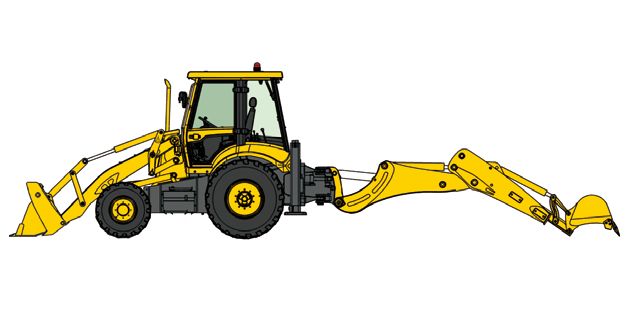 Backhoe Loader
 Road Roller
 Spare Parts
Leave Your Message
Choosing a Hitachi Excavator supplier involves more than comparing prices on a product page. Global buyers also need clear machine specifications, credible inspection records, responsive support, and realistic delivery estimates. A low quote can look attractive, yet the final cost may change with freight, parts availability, or machine condition.
This guide introduces ten suppliers for international buyers to research. It considers practical factors such as new and used equipment, model selection, spare-parts access, warranty terms, and export experience. Details can vary by branch and stock status, so confirm them directly before making a purchase. Ask for the serial number, service history, recent inspection photos, and a written breakdown of shipping and payment terms. Small checks matter.
A supplier’s website is only a starting point. Buyers should verify business credentials, clarify whether equipment is new or pre-owned, and make sure the proposed machine suits the job site. A compact excavator for urban work is not a substitute for a larger unit handling heavy excavation. Not every supplier will fit every buyer. Rankings can simplify a complex market, but they cannot replace independent checks or a conversation with the sales team. Use the list to build a shortlist, compare evidence, and ask precise questions before committing.
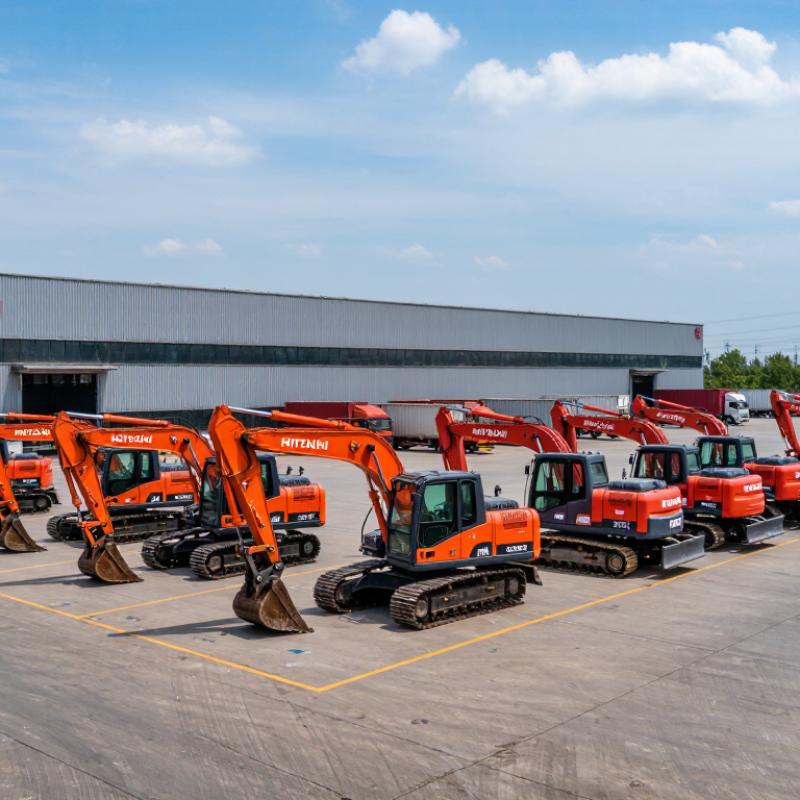
China’s excavator supply network includes factory-authorized channels, independent equipment traders, rental fleets, and used-machinery dealers. Buyers may find machines in different conditions, from recently assembled units to older excavators with visible wear. Availability changes by model, configuration, and season, so a listing alone is not proof that a machine is ready to ship.
Details matter. Ask for the serial number, production year, operating hours, maintenance records, and clear photographs of the engine bay, undercarriage, and hydraulic lines. An independent inspection can reveal leaks, uneven track wear, or repairs that are difficult to spot in edited images. Some sellers provide detailed records; others offer limited documentation. That gap deserves attention.
Before ordering, confirm the machine’s configuration, attachments, delivery terms, and included spare parts in writing. Check whether the seller can arrange export paperwork and provide a realistic loading schedule. Port access and transport planning affect both cost and timing. Do not rely on estimates alone. Request an itemized quotation, compare it with the inspection findings, and leave room for unexpected delays. Even careful checks cannot remove every risk, but they make supply decisions more grounded.
This is a non-ranked sourcing overview, not a verified directory of ten companies. Supplier authorization, inventory, export capability, and product compatibility should be confirmed directly before purchase.
| No. | Supplier Channel | Typical Supply Scope | Key Buyer Checks | Best Fit |
|---|---|---|---|---|
| 1 | Authorized new-equipment distributors | New machines, warranty support, and approved service access, subject to local authorization. | Request written proof of authorization, warranty terms, machine serial details, and export permissions. | Buyers prioritizing documented origin and after-sales support. |
| 2 | Independent machinery exporters | Export coordination, equipment sourcing, shipping documents, and delivery arrangements. | Confirm seller identity, machine ownership, inspection access, payment protections, and Incoterms. | International buyers needing end-to-end shipment coordination. |
| 3 | Used-equipment dealers | Pre-owned machines in varying conditions, hours, configurations, and maintenance histories. | Inspect operating hours, service records, serial number, wear, and repair history independently. | Buyers balancing purchase cost with condition and remaining service life. |
| 4 | Rental-fleet disposal channels | Fleet machines released from rental operations, sometimes with usage and maintenance records. | Check duty cycle, accumulated hours, component condition, and whether records match the machine. | Buyers seeking used equipment with a traceable operating history. |
| 5 | Refurbishment and reconditioning workshops | Used machines or components repaired or refurbished to varying scopes. | Obtain a written work scope, replaced-parts list, test results, and warranty exclusions. | Buyers who accept refurbished equipment and require clear repair documentation. |
| 6 | Parts distributors | Replacement parts, wear items, filters, undercarriage components, and selected service parts. | Match part numbers and machine serial details; confirm whether parts are genuine, aftermarket, or used. | Owners and maintenance teams sourcing components rather than complete machines. |
| 7 | Hydraulic and component specialists | Repair or replacement support for hydraulic pumps, motors, valves, cylinders, and related components. | Verify component specifications, test procedures, repair limits, and return or core-charge terms. | Buyers managing component repairs or machine downtime. |
| 8 | Attachment and work-tool suppliers | Buckets, breakers, quick couplers, and other attachments, depending on machine configuration. | Confirm operating weight, pin dimensions, hydraulic flow and pressure requirements, and compatibility. | Buyers adapting equipment to specific job-site tasks. |
| 9 | Inspection and sourcing agents | Supplier screening, pre-shipment inspections, document checks, and coordination with sellers. | Define inspection criteria, reporting format, independence, fees, and responsibility for discrepancies. | Overseas buyers unable to inspect equipment in person. |
| 10 | Freight and customs service providers | Inland transport, port handling, export documentation, and ocean-freight coordination. | Confirm cargo dimensions, loading method, insurance, destination requirements, and all quoted charges. | Buyers arranging cross-border delivery of machinery or parts. |
Before placing an order, verify the supplier’s legal identity, equipment provenance, condition, export eligibility, payment terms, and destination-country import requirements. No supplier ranking or authorization status is implied by this table.