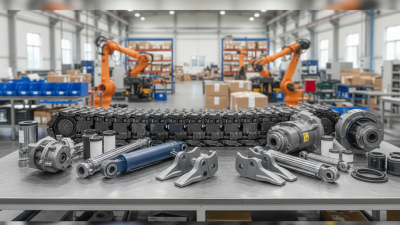
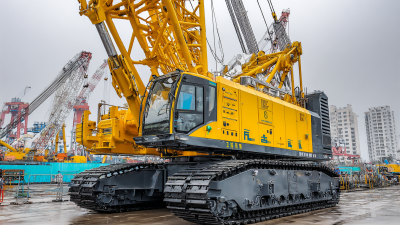
China Top Heavy Equipment Trader for Global Buyers?
In recent years, China has emerged as a leading Heavy Equipment Trader, captivating global buyers with its vast array of machinery. John Davis, a recognized expert in the heavy equipment market, stated, "China's influence in this sector is undeniable." The nation has invested heavily in advanced technology and manufacturing processes, making it a hub for high-quality equipment.
China's competitive pricing and diverse product offerings attract businesses from various sectors. However, navigating this market can be challenging for newcomers. Understanding local regulations and establishing reliable connections are essential for success. The rapid growth of the industry also raises questions about sustainability and ethical practices.
Many buyers have concerns about the durability and servicing of imported equipment. Quality assurance remains a critical factor. Prospective purchasers must weigh their options carefully, considering long-term investments. While China's role as a Heavy Equipment Trader is significant, potential buyers should proceed with caution and reflect on their strategies.
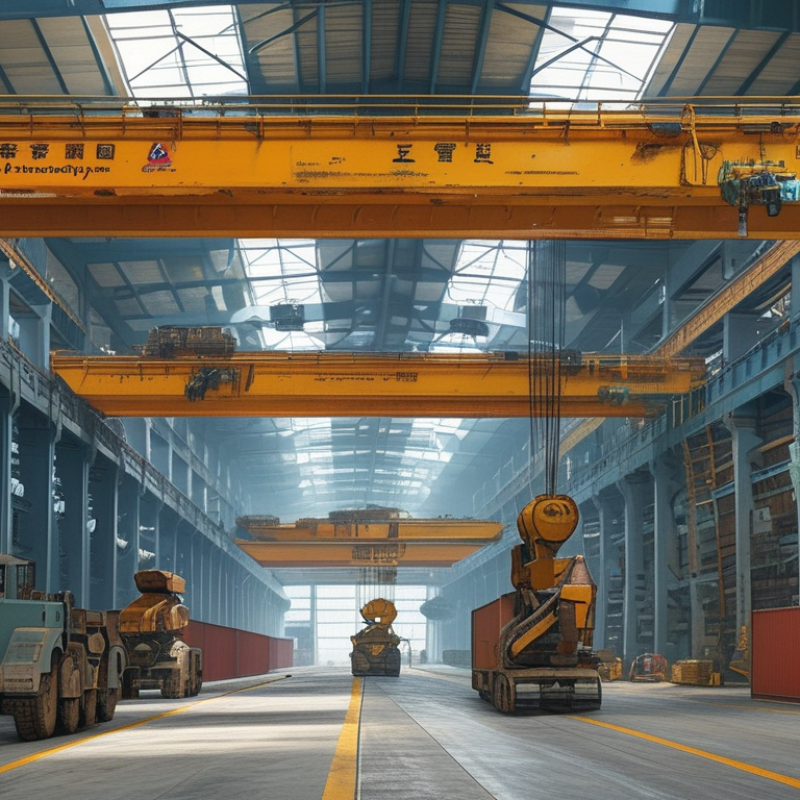
Overview of China's Heavy Equipment Market Dynamics
China's heavy equipment market is a dynamic landscape. The country has become a hub for various types of heavy machinery. This growth is fueled by rapid urbanization and infrastructure development. Cities are expanding quickly, which increases the demand for construction equipment. Heavy machinery is essential for building roads, bridges, and buildings.
Market players are constantly innovating to meet international standards. However, challenges exist in terms of quality control and regulatory compliance. Some buyers report inconsistent experiences. It's crucial for global buyers to thoroughly research suppliers. Understanding local practices can be tricky, as not all operate with the same transparency. Logistics can also be complex, with varying shipping times and tariffs across countries.
Despite these obstacles, the potential for success is significant. The range of products is impressive, with options for every need. Many Chinese manufacturers are improving their systems. Continuous improvement in technology is helping enhance reliability. Global buyers must stay informed and adapt to this fluid market. Responsiveness to changes is key for successful partnerships with Chinese heavy equipment suppliers.
China Top Heavy Equipment Trader for Global Buyers - Overview of China's Heavy Equipment Market Dynamics
| Category |
Market Size (USD Billion) |
Annual Growth Rate (%) |
Key Export Regions |
Main Equipment Types |
| Construction Equipment |
25 |
8 |
North America, Asia-Pacific, Europe |
Excavators, Bulldozers, Cranes |
| Mining Equipment |
15 |
7 |
South America, Africa, Asia |
Dump Trucks, Drills, Loaders |
| Agricultural Equipment |
10 |
5 |
Europe, North America, Africa |
Tractors, Combine Harvesters, Plows |
| Heavy Trucks |
20 |
6 |
Middle East, North America, Asia |
Dump Trucks, Flatbed Trucks, Tow Trucks |
| Marine Equipment |
8 |
4 |
Asia-Pacific, Europe, North America |
Ship Cranes, Dredgers, Tugboats |
Key Players in China's Heavy Equipment Industry
China's heavy equipment industry has emerged as a significant player in the global marketplace. With a wealth of resources and manufacturing capabilities, key players are striving to meet international standards. They focus on producing a variety of machinery, from excavators to bulldozers. These companies are known for their competitive pricing and technological advancements. This combination often attracts buyers looking for reliable machinery without breaking the bank.
However, challenges persist in this dynamic sector. Quality control remains a crucial issue. Some manufacturers struggle to maintain consistent standards across their product lines. Additionally, customer service can sometimes fall short, causing delays and dissatisfaction. Buyers need to conduct thorough research before committing to a purchase. Understanding these nuances will allow them to make informed decisions. The market is vast, and navigating through it requires diligence and awareness of potential pitfalls.
Global Demand for Chinese Heavy Machinery: Trends and Statistics
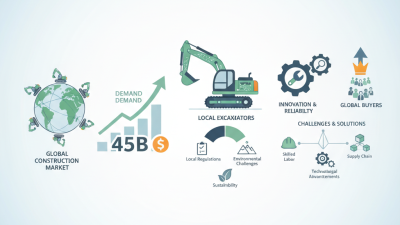
The global demand for Chinese heavy machinery has seen significant growth in recent years. Emerging markets are now investing heavily in infrastructure. This shift is driven by rapid urbanization and industrial expansion. Chinese manufacturers have responded with innovative machinery that meets diverse needs. From excavators to cranes, the options are vast.
However, while the machinery is accessible, quality assurance remains a focal point. Buyers often hesitate, questioning long-term reliability. Statistics show that 65% of global buyers prioritize durability in their purchasing decisions. Chinese manufacturers must not only focus on volume but also on building trust. This trust is essential for fostering lasting relationships in the competitive landscape.
Additionally, trends indicate a rise in technology integration within heavy machinery. Advanced features are becoming standard, appealing to tech-savvy buyers. Yet, there are concerns about after-sales service and technical support. Buyers need more than just a machine; they seek a partner to ensure optimal performance. Addressing these gaps can strengthen China's position as a leading trader in heavy equipment on the global stage.
Export Statistics: China's Heavy Equipment in the Global Market
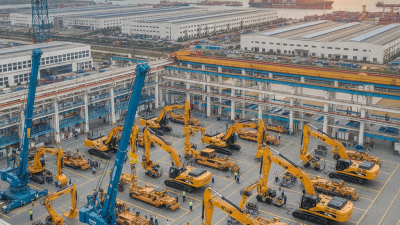
China has emerged as a leading player in the global heavy equipment market. Recent export statistics reveal a steady increase in the shipment of these essential tools. Countries worldwide rely on Chinese manufacturers for excavators, bulldozers, and cranes. This growth reflects China's robust industrial capabilities and competitive pricing.
While the numbers are promising, there are challenges. Quality control remains a concern for many buyers. Some exports have faced criticism due to inconsistent quality standards. Buyers often report difficulties in after-sales support and service. These factors can impact long-term relationships between exporters and international clients. Transparent communication is vital to address these issues effectively.
In addition, market dynamics are shifting. Emerging economies are beginning to develop their heavy equipment sectors. This competition may influence China's export trends. Domestic manufacturers must innovate and improve. Adapting to market needs will be crucial for maintaining a leading position.
Challenges Faced by China in Competing Internationally
China has emerged as a key player in the heavy equipment trade, but challenges loom. Competing internationally means facing established players with significant reputations. Chinese manufacturers often deal with issues like quality perception and trust. This can deter global buyers who prioritize reliability.
Communication is also crucial. Many overseas customers prefer vendors who understand their unique needs. Cultural differences can lead to misunderstandings. This impacts negotiations and can hinder building strong relationships. It's essential to focus on clear dialogues and respect for various business practices.
Tips: Prioritize transparency in operations. Showcase your quality control processes to build trust. Invest in training for staff on cross-cultural communication.
Another challenge is the fast-paced technology landscape. Many international competitors have advanced research and development teams. They innovate swiftly, making it hard for Chinese firms to keep pace. They must allocate resources wisely to bridge this gap. Exploring partnerships with tech companies can be beneficial.
Tips: Stay updated on industry trends and customer feedback. Implement systems for quick adaptation to market changes. Collaboration can enhance innovation speeds.

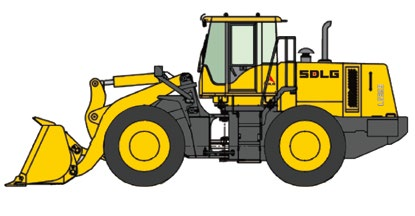 Wheel Loader
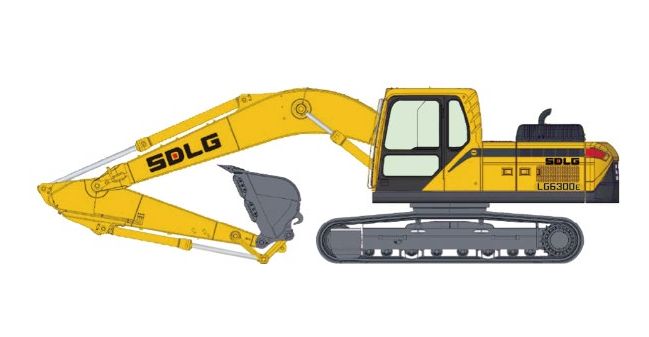 Excavator
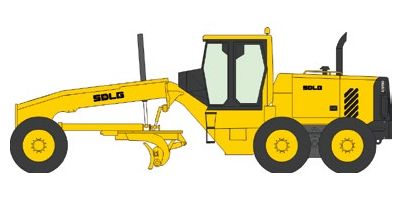 Motor Grader
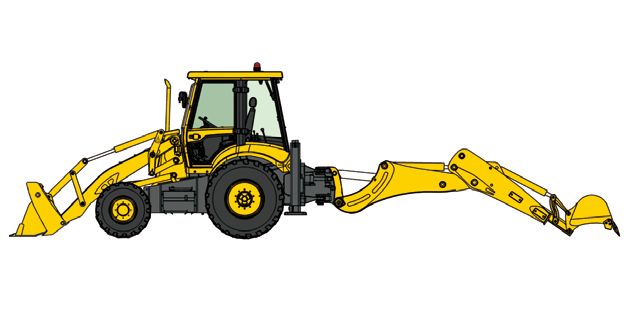 Backhoe Loader
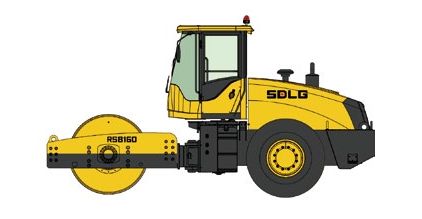 Road Roller
 Spare Parts