How to Buy SANY Equipment Globally in 2026?
Buying SANY Equipment globally in 2026 is not simply a matter of finding the lowest advertised price. The real decision begins with matching the machine to the job, location, regulations, and support network. Excavators, cranes, loaders, and concrete machinery may share a brand, but their specifications can differ across markets. Engine emissions, electrical voltage, attachments, cabin standards, and telematics compatibility require careful checking.
Xiang Wenbo, Chairman of SANY Heavy Industry, has emphasized the company’s global approach with the phrase, “Go global, go local.” That principle matters to buyers. A machine should be internationally competitive, yet supported locally. Before placing an order, compare the exact model number, production year, operating hours, warranty terms, spare-parts availability, and authorized dealer status. Ask for serial-number verification and a documented inspection report. Small omissions can become expensive delays.
Do not trust the headline price alone. Freight, insurance, port handling, import duties, inland transport, commissioning, and operator training can change the final cost. A cheaper machine may also carry longer delivery risks or limited local support. That is an uncomfortable reality. Still, it deserves attention.
Reliable purchasing also means checking official documentation and applicable safety, environmental, and customs requirements. Request written Incoterms, payment milestones, delivery responsibilities, and after-sales commitments. Independent technical inspections remain valuable, especially for used Sany Equipment. A careful buyer may move more slowly, but that patience protects uptime, budget control, and long-term confidence in 2026.
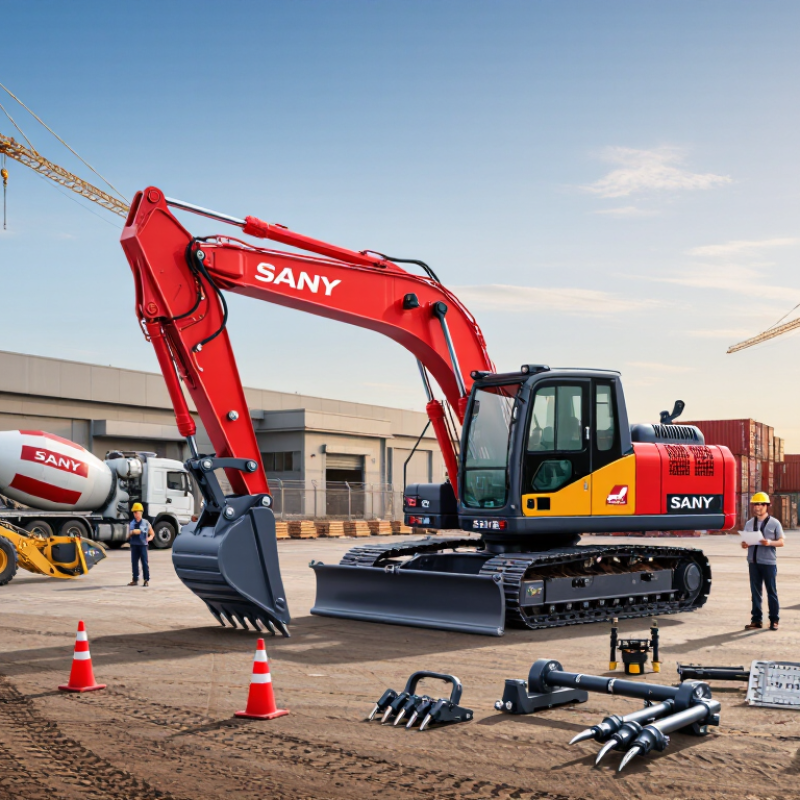
Define the Job Using Capacity, Duty Cycle, and Annual Utilization Data
How to Buy Heavy Equipment Globally in 2026?
Define the Job Using Capacity, Duty Cycle, and Annual Utilization Data
A reliable purchase starts with the job, not the equipment brochure. Record material weight, digging depth, travel distance, and site access limits. Capacity must match the heaviest routine load, not an attractive maximum figure. Leave a practical safety margin for uneven ground and changing materials. A machine lifting five tonnes may struggle when the load is wet, unbalanced, or placed at reach.
Duty cycle shows how hard the equipment will work each hour. Measure loading time, idle periods, travel frequency, and operating temperatures. A unit working continuously in a quarry needs different cooling, hydraulic, and structural performance than one used occasionally on a construction site. I once planned around an ideal cycle and ignored operator breaks. My annual estimate became too optimistic. Real data is less impressive, but more useful.
Tips: Build a twelve-month utilization sheet before requesting quotations. Include operating hours, peak months, fuel access, spare-part lead times, and technician availability. Compare expected annual hours with the machine’s recommended service intervals. If utilization stays below 500 hours, rental or a smaller unit may reduce ownership risk. If usage exceeds 2,000 hours, productivity losses can quickly outweigh a lower purchase price. Ask suppliers for test records, maintenance history, warranty terms, and local compliance documents. Verify every claim with independent inspection when possible. Do not rely on photographs alone.
Match SANY Models with ISO 12100, CE, EPA Tier 4, and Stage V Rules
How to Buy SANY Equipment Globally in 2026?
Buying construction equipment across borders requires more than comparing horsepower and price. Match each model to the destination country’s safety and emissions rules before signing a purchase order. ISO 12100 supports the machine risk assessment process, covering hazards such as unexpected movement, crushing points, noise, and poor visibility. It is not a complete market approval. Ask for the risk assessment, safety instructions, emergency-stop details, and guarding specifications.
For European delivery, confirm CE conformity, the Declaration of Conformity, and documentation for the exact model and configuration. A small attachment change can affect guarding or stability. Check whether the engine meets Stage V requirements, then compare its emission label with the shipping country’s registration demands. For the United States, EPA Tier 4 compliance depends on engine rating, certification, and after-treatment equipment. Inspect the serial number, engine family, diagnostic system, and maintenance intervals.
Paperwork matters. A clean-looking file may still miss a language requirement or a test report. I have seen buyers focus on the machine body while overlooking the engine certificate. That mistake can delay customs clearance or site approval. Request dated documents, not screenshots. Keep photos of the nameplate and exhaust system. Some assumptions remain uncertain, especially when a used machine has been rebuilt. A local compliance engineer should review those gaps before payment.
How to Buy SANY Equipment Globally in 2026?
Match SANY Models with ISO 12100, CE, EPA Tier 4, and Stage V Rules
This screening chart shows the typical market relevance of each framework for generic diesel-powered construction machinery. ISO 12100 supports machinery risk assessment in both markets, CE marking is associated with access to the European Economic Area, EPA Tier 4 Final governs applicable non-road diesel engines in the United States, and EU Stage V governs applicable non-road engines in the European market. Final requirements depend on engine power, machine type, production date, fuel, and destination country.
Compare Dealers Through Landed Cost, Lead Time, Warranty, and Parts Data
When buying heavy equipment globally in 2026, compare the landed cost, not only the quoted machine price.
I review freight, insurance, port handling, customs duties, inland transport, and commissioning charges.
A low offer can become expensive after a 600-kilometer truck journey. Request a line-by-line estimate with currency, delivery terms, and payment milestones. Keep every assumption visible.
Lead time needs evidence.
Ask for the production slot, inspection date, shipping route, and estimated port arrival. Then add buffer for congestion and seasonal delays. A dealer promising delivery in four weeks may not control vessel schedules. Confirm the machine’s serial data before shipment.
Photos are useful, but they are not a complete inspection.
Warranty terms deserve the same scrutiny.
Check coverage periods, exclusions, labor reimbursement, and the process for approving field repairs. Ask how quickly technical staff respond across time zones.
Parts data can reveal operational strength.
Request common-part availability, regional stock locations, order history, and average dispatch time. A parts list without stock information is incomplete.
I have seen buyers compare prices carefully but overlook a missing hydraulic seal for six weeks. That mistake can stop a project and damage trust. Review the numbers with an independent technician when possible.
Some assumptions will be wrong.
That is normal, but undocumented assumptions are costly.
Calculate Five-Year TCO from Fuel Use, Service Hours, and Resale Values
How to Buy SANY Equipment Globally in 2026? Calculate Five-Year TCO from Fuel Use, Service Hours, and Resale Values
A global purchase should begin with five-year total cost of ownership, not the invoice price. My first spreadsheet was wrong. It ignored idle time, import charges, and currency changes. For a realistic estimate, record annual operating hours, fuel consumption, technician rates, parts prices, shipping, taxes, and expected resale value. The U.S. Energy Information Administration reported an average on-highway diesel price of about $3.76 per gallon in 2024. At 1,500 hours yearly and 8 liters per hour, five-year fuel use reaches 60,000 liters. Even a small price difference becomes significant.
Service costs also need hourly planning. Use maintenance schedules, hydraulic-fluid intervals, tire or track wear, and emergency-repair reserves. The International Energy Agency notes that fuel markets remain exposed to geopolitical and supply shocks. Therefore, use low, expected, and high fuel-price scenarios. Three estimates are safer than one. Service availability matters globally. A distant parts warehouse can turn a routine repair into several lost workdays.
Resale value is less certain, but it should not be guessed casually. Compare recent regional auction results, dealer quotations, machine age, operating hours, and documented maintenance. A well-maintained machine with complete service records usually attracts stronger buyer confidence. However, resale markets can fall quickly. The 2024 Used Equipment Market Report also shows that demand varies by equipment type and region. That warning deserves attention. A spreadsheet can look precise while hiding weak assumptions. Recheck every major number before signing a cross-border purchase contract.
How to Buy SANY Equipment Globally in 2026? - Calculate Five-Year TCO from Fuel Use, Service Hours, and Resale Values
Five-year ownership planning for commonly traded construction-equipment categories. All figures are illustrative market estimates in USD and are intended for cross-border budgeting before obtaining local quotations, taxes, financing terms, and delivery schedules.
| Equipment Category |
Typical Operating Weight |
Annual Operating Hours |
Five-Year Hours |
Average Fuel Use |
Diesel Planning Price |
Five-Year Fuel Cost |
Service Cost per Hour |
Five-Year Service Cost |
Purchase Price |
Freight & Import Allowance |
Estimated Resale Value |
Five-Year TCO |
| Medium Crawler Excavator |
20–22 tonnes |
1,200 h |
6,000 h |
12 L/h |
$1.25/L |
$90,000 |
$8/h |
$48,000 |
$150,000 |
$12,000 |
$67,500
(45%) |
$232,500 |
| Large Crawler Excavator |
38– forty-five tonnes |
1,600 h |
8,000 h |
20 L/h |
$1.25/L |
$200,000 |
$14/h |
$112,000 |
$400,000 |
$24,000 |
$140,000
(35%) |
$596,000 |
| Articulated Dump Truck |
35– forty-five tonnes payload class |
1,800 h |
9,000 h |
18 L/h |
$1.25/L |
$202,500 |
$13/h |
$117,000 |
$330,000 |
$19,800 |
$99,000
(30%) |
$570,300 |
| Wheel Loader |
20–25 tonnes |
1,500 h |
7,500 h |
14 L/h |
$1.25/L |
$131,250 |
$10/h |
$75,000 |
$220,000 |
$17,600 |
$88,000
(40%) |
$355,850 |
| Motor Grader |
14– eighteen tonnes |
1,400 h |
7,000 h |
11 L/h |
$1.25/L |
$96,250 |
$9/h |
$63,000 |
$250,000 |
$20,000 |
$100,000
(40%) |
$329,250 |
Calculation method:
Five-Year TCO = Purchase Price + Freight & Import Allowance + Fuel Cost + Service Cost − Estimated Resale Value.
Fuel Cost = Five-Year Operating Hours × Average Fuel Use × Diesel Planning Price.
Service Cost = Five-Year Operating Hours × Service Cost per Hour.
Planning assumptions:
Operating hours represent a medium-to-high utilization schedule. Fuel-use figures reflect typical diesel consumption ranges under mixed digging, loading, hauling, and idling conditions; actual results vary with payload, terrain, operator behavior, maintenance, and idle time. The freight and import allowance is set at approximately 8% of the purchase price and should be replaced with a destination-specific quotation. Resale percentages are planning estimates for five-year-old machines with documented maintenance and approximately 7,000–9,000 operating hours. Taxes, financing, insurance, attachments, tires, major repairs, downtime losses, and local registration fees are excluded.
Complete Purchase with HS Codes, Incoterms 2020, Duties, and Inspections
Buying construction equipment across borders in 2026 requires more than comparing prices. The process begins with the correct Harmonized System code. Confirm the machine type, engine specifications, attachments, and country-specific tariff notes. A wrong code can delay customs clearance or create unexpected duty exposure. Do not rely only on a supplier’s invoice description. Ask an independent customs broker to verify the classification before payment.
Incoterms 2020 should define every transport responsibility. Under FOB, the buyer usually manages main ocean freight and insurance. Under CIF, the seller arranges freight and basic insurance to the named port, but import clearance still remains the buyer’s responsibility. Use the exact destination, such as “CIF Hamburg Port, Incoterms 2020.” Vague wording causes disputes. It happens more often than expected.
Calculate more than the equipment price. Estimate customs duty, import VAT, port handling, inland delivery, storage, inspection fees, and possible demurrage. Request a written landed-cost estimate. Rates can change, and online calculators may be incomplete. A licensed local adviser remains more reliable.
Inspection should cover the serial number, operating hours, hydraulic leaks, tire condition, safety controls, attachments, and spare parts. Require dated photographs and a functional test report before shipment. For used equipment, check maintenance records and export documents. A third-party inspection is valuable, but it is not perfect. I would still reserve payment until the report, invoice, packing list, and shipping details match exactly.

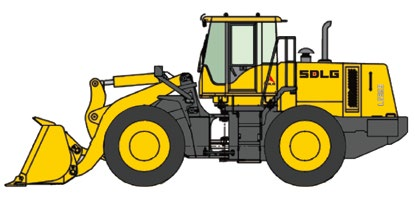 Wheel Loader
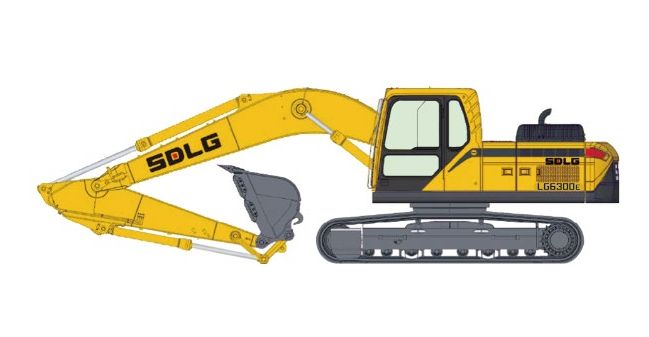 Excavator
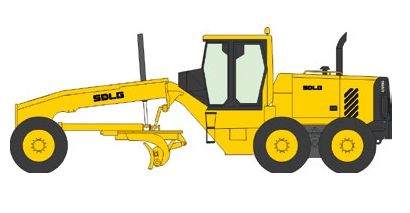 Motor Grader
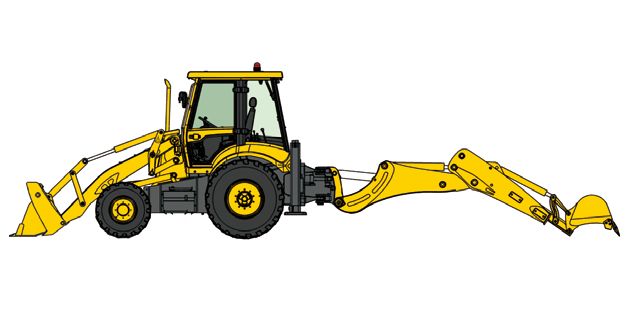 Backhoe Loader
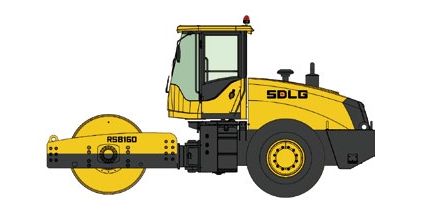 Road Roller
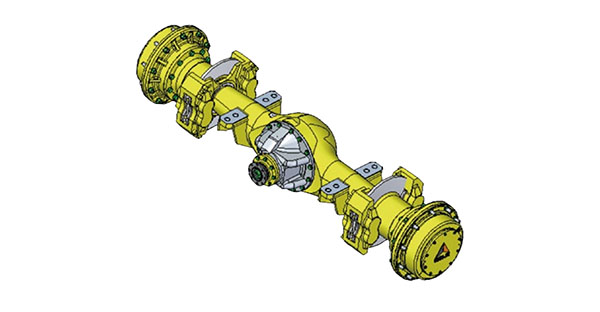 Spare Parts