Top Sany Equipment for Global Buyers?
Choosing the right Sany Equipment can shape project costs, site safety, and daily productivity. Global buyers often compare excavators, cranes, concrete machinery, and road equipment. Each category serves different working conditions.
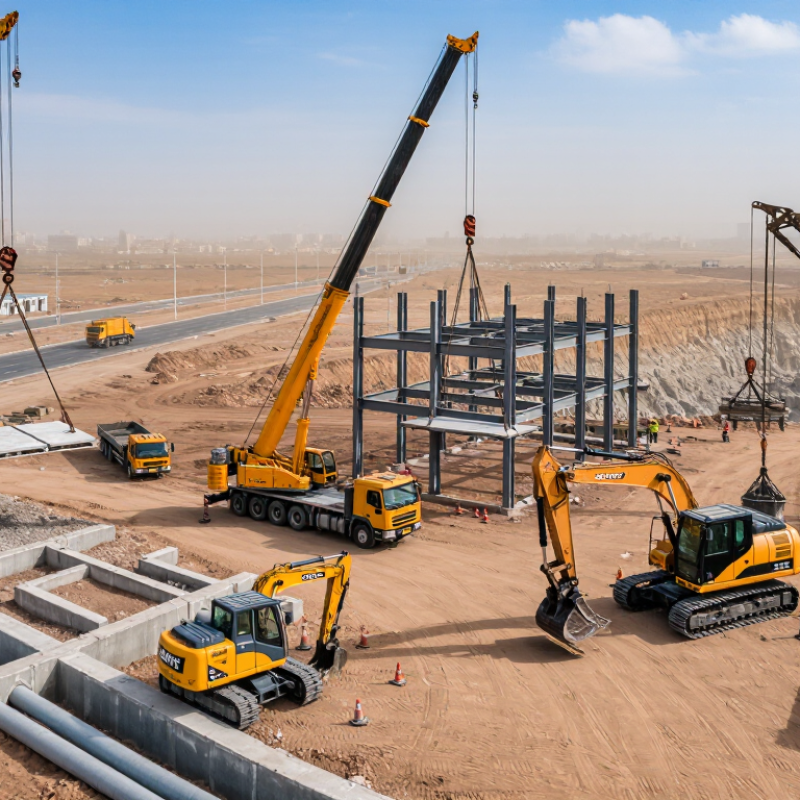
A compact excavator may suit urban drainage work, where narrow access matters. Larger excavators offer stronger digging performance on quarries and infrastructure sites. Truck cranes can support mobile lifting needs, while crawler cranes provide stability for heavier projects. Concrete pumps help contractors maintain steady placement on demanding construction schedules.
Real jobsite experience matters. Published specifications provide a useful starting point, but they rarely describe every operating challenge. Soil conditions, climate, fuel quality, transport limits, and operator training can change results. Do not rely on brochure numbers alone. Check service coverage, spare-parts availability, warranty terms, and dealer response times before purchasing. A machine that performs well but waits weeks for a component may become an expensive disappointment.
Local requirements also deserve careful attention. Buyers should verify applicable emissions rules, safety standards, import documents, and inspection procedures. Independent equipment inspections can reveal hydraulic leaks, uneven wear, or neglected maintenance. Service records tell a clearer story than appearance. Sometimes, the cheaper option is not the better investment.
This guide examines practical Sany Equipment choices for different project types and operating environments. It compares capability, ownership considerations, and support expectations. The goal is not to promote one universal answer. There is no perfect machine for every buyer. Instead, the discussion helps readers ask better questions before committing capital, especially when equipment will work far from the supplier’s main support network.
SANY Excavators: Match 5–50-Tonne Classes to Global Jobsite Demand
Top Sany Equipment for Global Buyers?
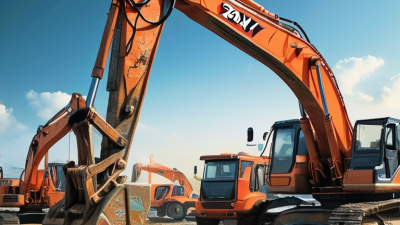
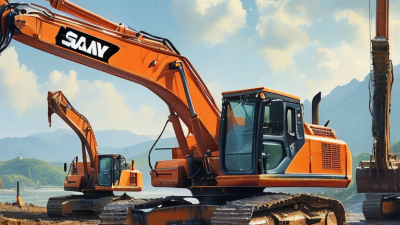
Excavator selection should begin with jobsite pressure, not catalog preference. A 5–8-tonne excavator suits urban utilities, landscaping, and narrow residential access. Its compact tail swing reduces contact risks near walls and parked vehicles. A 10–20-tonne class fits drainage, road maintenance, and general earthmoving. It offers stronger digging force without excessive transport demands. Off-Highway Research’s 2024 market review identifies Asia as the largest regional construction equipment market by sales volume. That diversity makes local access, soil conditions, and service support critical.
The 20–30-tonne class handles highway cuts, foundations, and large drainage trenches efficiently. In quarries or mass excavation, 30–50-tonne machines provide deeper reach and higher bucket productivity. However, their transport permits, fuel use, and ground pressure can increase operating costs. The International Energy Agency continues to highlight efficiency and emissions reduction as major priorities across heavy industry. Buyers should compare litres per hour, not only engine power. Attachment compatibility matters too. A breaker, tilt bucket, or quick coupler can change daily output substantially.
Deloitte’s 2024 engineering and construction outlook notes persistent labor and productivity pressures. Telematics can help supervisors track idle time, utilization, and maintenance intervals. Useful data, but never perfect. Local mechanics still matter. A 15-tonne machine may outperform a 25-tonne model on a crowded site, while a smaller unit may struggle in dense clay. Buyers should test cycle times, transport routes, hydraulic response, and parts availability before signing. A spreadsheet cannot fully predict muddy ground or an inexperienced operator.
SANY Cranes: Compare Lifting Capacity, Reach, and EN 13000 Compliance
Global crane buyers should compare more than headline tonnage. A 100-ton mobile crane may lift 100 tons only under specific radius, boom length, and counterweight conditions. Check load charts at the exact job radius. On a compact urban site, a shorter setup can outperform a larger crane. That detail is often missed. Reach matters too. A long boom improves access, but wind, deflection, and reduced capacity change the working picture. Ask for tested charts, not sales estimates.
EN 13000 compliance deserves careful review. The standard addresses safety principles for mobile cranes, including design, stability, controls, and load-handling functions. A certificate alone may not prove every supplied configuration complies. Request the declaration, applicable standard edition, inspection records, and component traceability. Confirm that the configuration matches the delivered boom, winch, counterweights, and safety devices. Local authorities may require additional registration or site checks. Requirements vary by country. Treat that as a planning issue, not paperwork.
Tips: Compare capacity at three working radii, not one maximum figure. Record ground bearing pressure beside each lift plan. Inspect hydraulic lines and pins before acceptance. If documentation is unclear, pause the purchase. Field reviews show that small omissions can create expensive delays. My comparison sheets are never perfect; I revisit them after a site trial. A practical review catches weaknesses that brochures hide.
Top Sany Equipment for Global Buyers? - SANY Cranes: Compare Lifting Capacity, Reach, and EN 13000 Compliance
Comparison of representative mobile-crane configurations for international project planning. Rated values depend on boom length, counterweight, outrigger setup, working radius, and site conditions.
| Reference Unit |
Maximum Rated Capacity |
Maximum Main Boom Length |
Maximum Working Radius |
Maximum Lifting Height |
Typical Transport Configuration |
EN 13000 Documentation Check |
Best-Fit Applications |
| Compact 25 t Class |
25 t at short radius |
34 m |
30 m |
35 m |
Road-mobile carrier; compact job-site footprint |
Verify model declaration
Request load charts, stability data, and conformity documentation. |
Urban construction, utility work, plant maintenance, and light industrial lifting |
| General-Purpose 50 t Class |
50 t at short radius |
43 m |
38 m |
45 m |
Four-axle road-mobile configuration; rapid site deployment |
Verify model declaration
Confirm EN 13000 alignment for the exact configuration and market. |
Commercial buildings, bridge components, precast installation, and infrastructure work |
| Heavy-Duty 100 t Class |
100 t at short radius |
60 m |
52 m |
62 m |
Multi-axle all-terrain configuration; auxiliary counterweight often required |
Verify model declaration
Review rated capacity charts, outrigger loads, and safety-system certification. |
Wind-turbine components, petrochemical facilities, bridge erection, and heavy structural work |
| High-Capacity 130 t Class |
130 t at short radius |
60 m |
56 m |
64 m |
Six-axle all-terrain configuration; transport permits may apply |
Verify model declaration
Check the applicable European conformity route and project-specific load charts. |
Large industrial modules, power-sector projects, refinery maintenance, and major infrastructure |
| Heavy-Lift 160 t Class |
160 t at short radius |
62 m |
58 m |
67 m |
Specialized multi-axle configuration; counterweights and permits normally required |
Verify model declaration
Obtain complete technical files, risk assessment, inspection records, and load charts. |
Power plants, major plant construction, heavy machinery installation, and complex lifting plans |
Buyer note: EN 13000 compliance should be confirmed for the exact crane model, configuration, destination market, and date of manufacture. Maximum capacity is not available across the full working radius; always use the manufacturer’s approved load chart for final lift planning.
SANY Concrete Pumps: Evaluate 30–200 m³/h Output and ISO 21573 Standards
For global buyers, a concrete pump rated at 30–200 m³/h covers small foundations, housing projects, and high-rise placements. The useful figure is not the maximum rating alone. Output changes with concrete slump, aggregate size, pipeline length, pumping height, and pressure. A 200 m³/h claim may require ideal conditions. On a crowded urban site, 80–120 m³/h can be more realistic. Research and Markets’ 2024 concrete pump analysis identifies infrastructure development and urban construction as key demand drivers. It also highlights productivity and equipment reliability as major purchasing factors.
ISO 21573-1:2014 defines terminology and commercial specifications for concrete pumps. ISO 21573-2 provides examination procedures for pump performance. These standards improve communication between buyers, suppliers, and testing teams. They do not replace site acceptance checks. Ask for measured output, pressure data, cylinder-cycle information, and test conditions. A practical trial should use the intended mix and the actual delivery line. Otherwise, the result may look better than daily operation. I would also question unusually precise performance figures.
Tips:
Compare rated output with continuous output. Check wear-part access before signing. Confirm voltage, hose sizes, cleaning systems, spare-part support, and operator training. Keep test records with ambient temperature and concrete slump. Small details matter. A pump that reaches 150 m³/h but stops frequently may underperform a slower, steadier machine. According to the 2024 Global Construction Outlook from Oxford Economics, construction demand remains uneven across regions, so local service capability deserves equal attention.
SANY Mining Trucks: Select Payload Classes from 40 to 300 Tonnes
Top Sany Equipment for Global Buyers?
SANY mining trucks serve demanding haulage needs across payload classes from 40 to 300 tonnes. Choosing the right class depends on road width, material density, gradients, and loading equipment. A 40-tonne truck can suit narrow pits and shorter routes. Larger 100- to 300-tonne units fit high-volume operations with stronger roads and larger loading tools.
Payload is only one part of the decision. Buyers should examine fuel use, braking performance, tire availability, operator visibility, and service access. A truck carrying 200 tonnes may appear efficient, yet weak road surfaces can increase downtime and maintenance costs. Check the complete haul cycle. Measure loading, travel, dumping, and return times under real site conditions.
Local support matters greatly. Reliable parts supply, trained technicians, and clear maintenance schedules protect production during long shifts. Experienced fleet managers also compare the truck’s empty weight, turning radius, and gradeability before ordering. Small details matter.
The largest truck is not always the smartest choice. This is easy to overlook. A mixed fleet may reduce congestion and match different loading zones more effectively. However, mixed fleets can complicate training and spare-parts planning. Buyers should test assumptions with route data, seasonal weather records, and realistic payload targets. Some estimates will be wrong, especially during early planning. That is why a controlled field trial can reveal more than a polished brochure.
The chart compares representative payload classes used in surface mining and large-scale quarry operations. Smaller classes generally suit flexible haulage and constrained sites, while higher-capacity trucks are designed for high-volume movement on large open-pit haul roads.

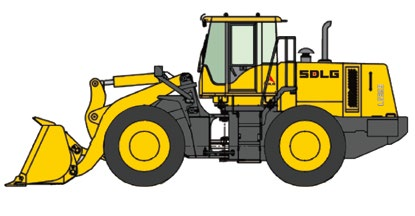 Wheel Loader
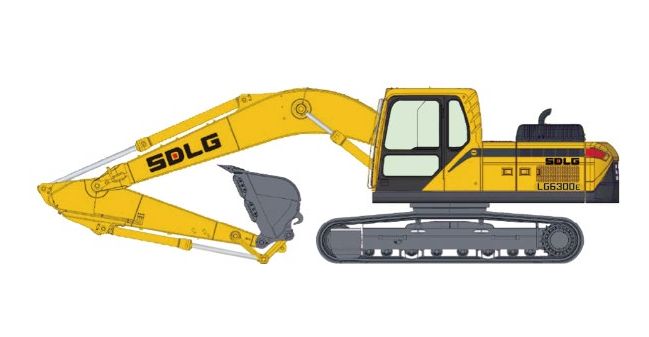 Excavator
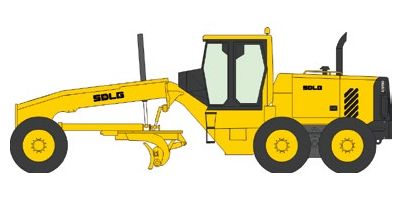 Motor Grader
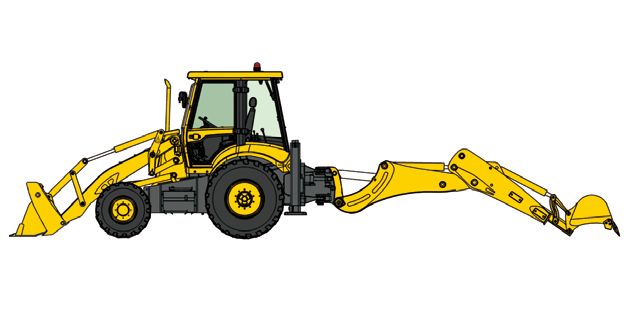 Backhoe Loader
 Road Roller
 Spare Parts