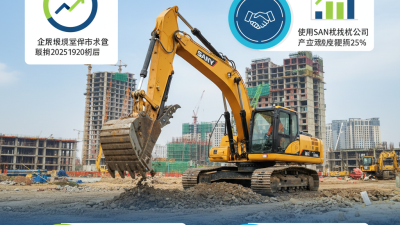
Sany Excavators Best Models for Global Buyers 2026?
As the demand for robust construction machinery increases globally, Sany Excavators are gaining traction among buyers. Industry expert Dr. James Lee says, "The versatility of Sany Excavators is unmatched in the current market." This statement reflects the brand’s commitment to excellence and innovation.
Sany Excavators stand out due to their advanced technology and operational efficiency. Models like the SY215C and SY500H demonstrate impressive performance across various terrains. These machines excel in productivity, making them ideal for large-scale projects. Some operators report unexpected issues, indicating the need for ongoing improvements.
This ongoing evolution showcases both potential and challenges in the industry. Global buyers seek reliability and versatility; Sany aims to meet those needs. With emerging models expected in 2026, the focus will remain on enhancing features. As buyers weigh their options, understanding Sany’s trajectory can provide valuable insights into future acquisitions.
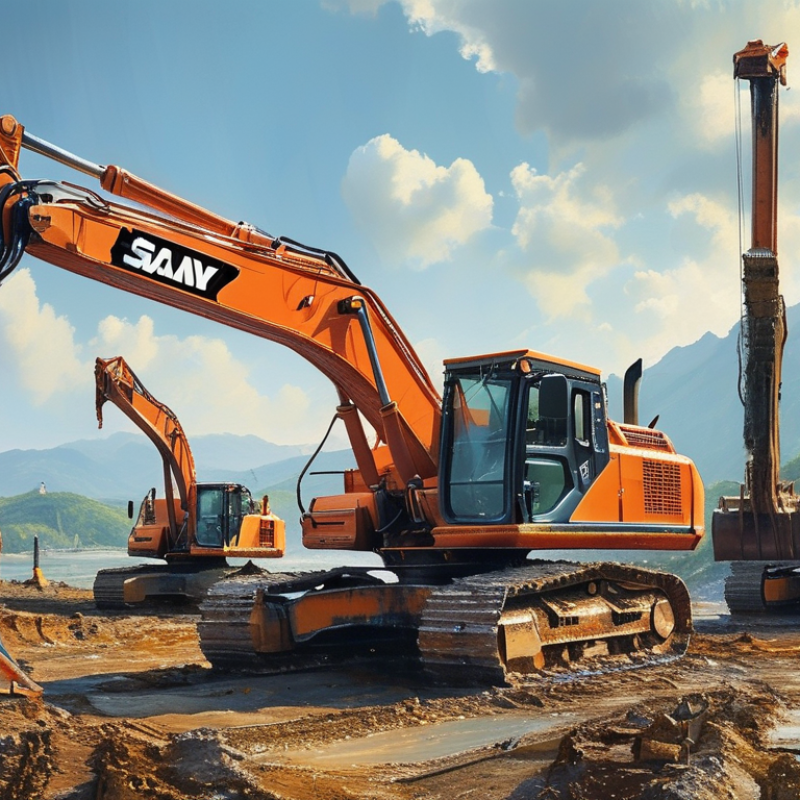
Sany Excavators Overview: Key Features and Innovations for 2026
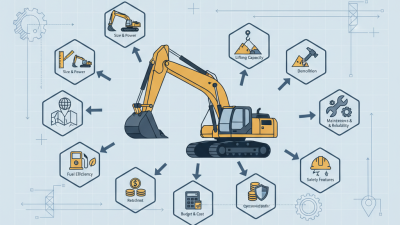
Sany excavators are making strides in the global market for 2026. Key features include enhanced fuel efficiency and innovative hydraulic systems. These models boast stronger lifting capacities and improved stability. Buyers are looking for machines that can handle diverse terrains and tough conditions.
One noteworthy innovation is the integration of advanced telematics. This technology allows for real-time monitoring of machine performance. It can help operators optimize their work and reduce downtime. The user-friendly interface simplifies operations, making these machines accessible to a wider range of users.
Despite these advancements, some users report challenges. For instance, maintenance can be complex and requires skilled technicians. Addressing these issues is crucial for manufacturers. Ensuring reliable customer support is also necessary. As the industry evolves, attention to user feedback will shape future models and improve overall satisfaction.
Global Market Trends: Demand and Growth Potential for Excavators in 2026
The global excavator market is poised for significant growth in 2026. Demand is increasing in various sectors, including construction and mining. Developing countries are leading this growth, driven by infrastructure investments. Advanced technologies are shaping the future of these machines. Buyers are looking for efficiency and durability, which are crucial factors for success.
Tip: Research regional markets. Understanding local needs can guide your choices effectively. Efficiency doesn’t just mean fuel savings; it also refers to operational costs and machine longevity.
Market trends indicate a shift towards electric and hybrid models. These innovations align with global sustainability goals. Companies should stay updated on regulations and best practices. The transition to greener machinery can be challenging for some. Evaluating long-term impacts is essential.
Tip: Watch for technological improvements. Implementing new features can provide a competitive edge. Manufacturers often enhance performance through innovative designs and smarter integrations. Consider how these advancements fit your operational goals.
Excavator Models and Market Trends for Global Buyers in 2026
| Model Name |
Operating Weight (tons) |
Engine Power (HP) |
Bucket Capacity (m³) |
Market Demand (Units) |
Growth Potential (%) |
| Model A |
15 |
120 |
0.75 |
5000 |
10% |
| Model B |
20 |
150 |
1.0 |
4500 |
8% |
| Model C |
25 |
180 |
1.2 |
4000 |
12% |
| Model D |
30 |
200 |
1.5 |
3500 |
15% |
| Model E |
35 |
220 |
1.8 |
3000 |
20% |
Top Sany Excavator Models: Performance Metrics and Specifications
When considering excavators for global projects in 2026, understanding performance metrics is crucial. Key specifications like digging depth, lifting capacity, and engine power play a significant role in selecting the best model. For example, a model with a hydraulic system that maximizes efficiency can save time and reduce fuel consumption. Such attributes enhance performance, making it essential for buyers to assess these metrics carefully.
Reliability is another factor. Some models may boast impressive specs but lack long-term dependability. Buyer experiences can vary, highlighting the need for thorough research. Performance in tough conditions can differ significantly from manufacturer claims. It’s important for buyers to seek independent reviews and real-world performance data. Focus on models that have proven themselves in challenging environments to ensure you make an informed decision.
Evaluating ergonomics is also vital. Comfort can impact operator efficiency significantly. Models that allow smooth control and easy maintenance tend to receive better user feedback. However, not every model excels in this regard, which can lead to operator fatigue and lower productivity. Aim to balance capability and comfort to enhance overall job site efficiency.
Comparative Analysis: Sany Excavators vs. Competitors in Global Markets
In the competitive world of excavators, Sany faces notable rivals from various regions. Recent market reports indicate that Sany achieved a 15% market share in global excavator sales last year. However, competitors, particularly those from North America and Europe, continue to dominate in the high-end segment. These brands often offer advanced technology, which can sway buyer preferences.
Technological innovations are crucial. According to a 2023 industry analysis, 78% of buyers prioritize advanced features over price. For instance, many leading brands have integrated telematics systems that enhance operational efficiency. Sany's recent models, while robust, have room for improvement in this area. Customer feedback highlights a demand for better connectivity and data integration solutions.
Durability remains an essential criterion for buyer selection. Data from an equipment durability study shows that 68% of excavator owners consider long-term reliability their top priority. While Sany's reputation for durability is notable, there are frequent conversations about maintenance costs and service availability. Enhancing these aspects could elevate Sany's standing in a crowded marketplace.
Sustainability and Efficiency: Sany's Commitment to Eco-Friendly Excavation
Sustainability in construction is no longer optional; it is essential. Many companies strive to create eco-friendly practices in their equipment. For excavation, eco-efficiency is vital. Modern excavators must reduce emissions while maintaining high performance. This is particularly important as environmental regulations tighten globally.
One approach to sustainable excavation is the use of hybrid or electric engines. These engines minimize fuel consumption and lower the carbon footprint. They produce less noise and result in fewer pollutants. Innovative technology, like advanced hydraulics, also greatly enhances energy efficiency. However, challenges remain. Transitioning to these technologies can involve significant upfront costs.
Moreover, the recycling of materials in excavation is an area for improvement. Many companies still struggle with waste management. Finding ways to reuse soil and demolished materials can reduce project impact. Reflecting on these practices can inspire better future solutions. Embracing sustainability in excavation requires ongoing learning and adaptation amidst an evolving market.

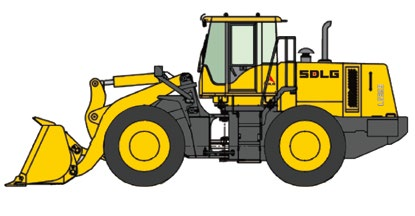 Wheel Loader
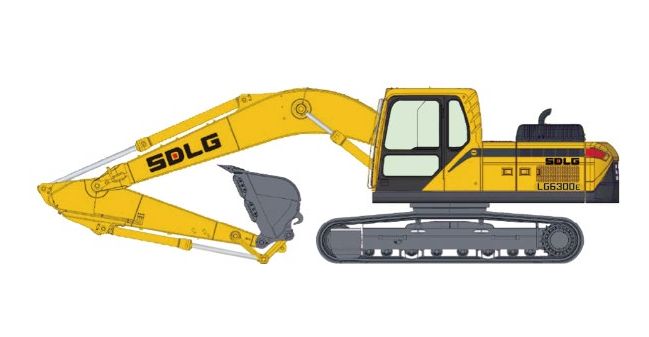 Excavator
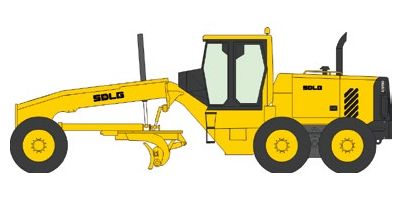 Motor Grader
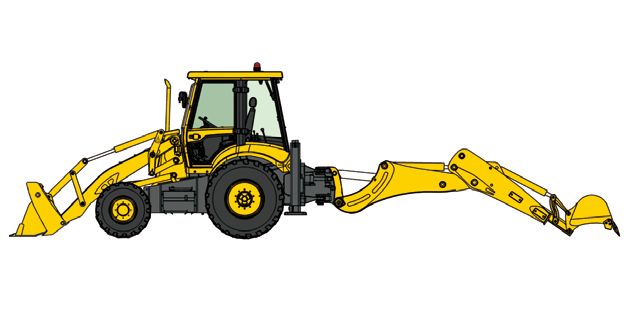 Backhoe Loader
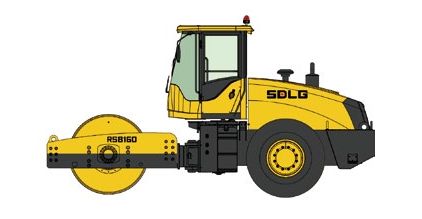 Road Roller
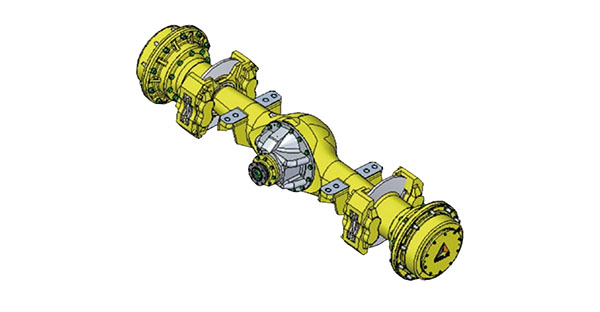 Spare Parts