How to Choose the Best Sany Excavators for Your Project?
Choosing the right Sany Excavators for your project can be overwhelming. With many options available, making the best decision requires insight and understanding. Industry expert John Bennett, a well-known construction machinery consultant, emphasizes, "Selecting the right excavator is crucial for project success." His expertise in heavy machinery highlights the importance of informed choices.
Sany Excavators are celebrated for their reliability and efficiency. However, their varied models can be confusing. It's essential to consider factors like the project size, terrain, and operating costs. Each project has its unique demands. Choosing the wrong excavator can lead to delays and increased expenses.
Some might overlook the importance of maintenance and support when selecting Sany Excavators. This decision affects long-term performance. The right model can mean the difference between seamless operation and costly downtime. Real experience and thorough research can guide your choice. Always reflect on your needs, and consult reliable sources before making a commitment.
Understanding Your Project Requirements for Excavator Selection
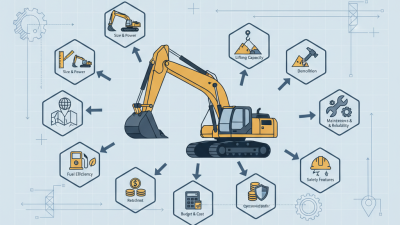
Choosing the right excavator for your project begins with a clear understanding of your specific needs. Assessing the project scale is essential. Larger tasks, like mining, may require powerful machines, while smaller tasks can be handled with compact models. According to industry reports, about 70% of project delays are linked to inappropriate equipment selection. This statistic underscores the importance of aligning your excavator choice with the project's demands.
Another crucial factor is the terrain where the excavator will operate. Heavy, bulky machines might struggle on uneven ground. Experts recommend evaluating soil conditions and potential obstacles. Data indicates that 40% of equipment failures occur due to improper terrain matching. This can lead to costly downtime and safety risks, emphasizing the need for thoughtfulness in selection.
Finally, consider the project timeline and budget constraints. High-end excavators come with advanced features but may be outside budget limits. On the other hand, opting for budget machines may meet short-term needs but could result in higher long-term operational costs. Balancing these variables requires careful evaluation. Engaging with project managers can provide insights to inform your decisions effectively.
Excavator Selection Criteria for Project Requirements
Evaluating Different Models of Sany Excavators Available
When evaluating different models of Sany excavators, it’s crucial to understand your project’s needs. Each model offers unique features that cater to specific tasks. For instance, consider the digging depth, weight capacity, and engine power. These features directly impact productivity and efficiency. An excavator that excels in one area may fall short in another. Take time to weigh these factors carefully.
Tips: Always examine user reviews for real-world performance insights. Sometimes, a highly advertised feature might not be practical for your project. Look for expert opinions and comparative analyses to guide your choice. Demonstrating a clear understanding of what you want is essential.
Another key aspect is maintenance. Some models require more frequent servicing than others. This can add to long-term costs. Ensure the availability of spare parts in your area. A lack of options can lead to prolonged downtime during repairs. Approach this with a critical eye, and balance initial costs with potential future expenses.
Assessing Performance Specifications and Capabilities of Sany Excavators
When selecting the best excavator for your project, it's crucial to assess performance specifications and capabilities. The right excavator can significantly affect productivity. Recent industry reports indicate that excavators with a higher dig depth and reach often outperform competitors. For instance, machines that can dig up to 22 feet deep enable operators to handle various soil types more effectively.
Another essential specification is the operating weight. Excavators ranging from 10 to 30 tons typically balance power and maneuverability. Weighing more allows for greater stability during operation, particularly in demanding environments. However, increased weight can also limit accessibility in tighter spaces. Evaluating your project’s unique layout will help determine what weight range is optimal.
Hydraulic power is another key factor. Efficient hydraulic systems must be capable of delivering smooth operation. Machines with a flow rate exceeding 50 liters per minute generally provide better lifting and attachment performance. Yet, higher power does not always mean better efficiency. It's important to choose equipment that matches your specific task rather than opting for the most powerful option. Balancing these specs ensures you select the right machine for your needs.
Considering Budget and Financing Options for Your Excavator Purchase
When considering the purchase of an excavator, understanding your budget is crucial. Excavators can range widely in price, influenced by size, features, and models. Set a clear budget that accounts for these factors. This helps narrow down choices right from the start. Remember to factor in additional costs, such as insurance and maintenance.
Exploring financing options is equally important. Leasing might be a suitable alternative if you want flexibility. It can reduce upfront costs while providing access to newer models. However, buying out of pocket gives you ownership. Both methods have their benefits and drawbacks, so assess your project needs carefully. Are you prepared to manage maintenance costs? Also, consider the long-term financial impact.
Understanding your financial situation informs better decisions. What are your cash flow and future needs? Achieving the right balance between expenditure and capability takes time and reflection. Engaging with financial advisors can offer insights. The goal is to make an informed decision that suits both your immediate need and long-term plans.
How to Choose the Best Sany Excavators for Your Project? - Considering Budget and Financing Options for Your Excavator Purchase
| Excavator Model |
Operating Weight (tons) |
Engine Power (HP) |
Price Range (USD) |
Financing Options |
| Model A |
8 |
85 |
$50,000 - $60,000 |
Leasing, Low APR loan |
| Model B |
12 |
110 |
$70,000 - $80,000 |
Financing available, Trade-in |
| Model C |
15 |
150 |
$90,000 - $100,000 |
Installment plan, Cashback offer |
| Model D |
20 |
180 |
$120,000 - $130,000 |
Zero-down financing, Lease to own |
Researching Dealer Support and Warranty Options for Sany Excavators
When selecting excavators for a project, dealer support plays a crucial role. A reliable dealer can offer guidance that aligns with project needs. It's essential to research potential dealers thoroughly. Look for those with a strong reputation in the industry. Customer reviews can provide insights into their experiences with support and service.
Warranties are another important factor when choosing excavators. A solid warranty provides peace of mind. It indicates that the manufacturer stands behind their product. Check the duration and coverage details of warranties. Sometimes, a longer warranty has specific stipulations that may not be clear at first. This could lead to challenges if not fully understood.
It's wise to inquire about after-sales support. Dealers should be available for assistance when issues arise. Consider how easily you can contact them. Their response times are revealing indicators of their commitment. Take the time to assess these aspects. They are often as crucial as the excavator's technical specifications.

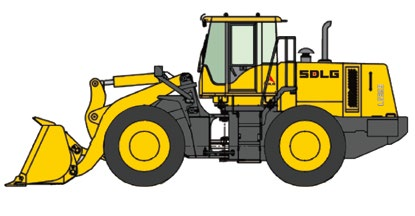 Wheel Loader
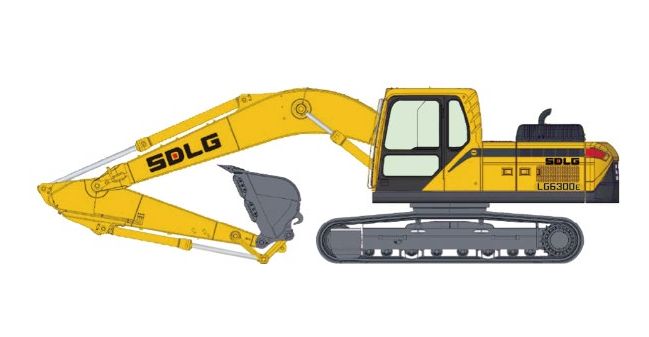 Excavator
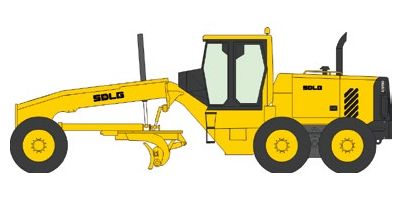 Motor Grader
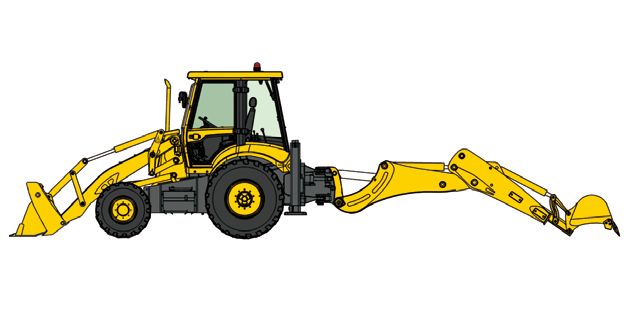 Backhoe Loader
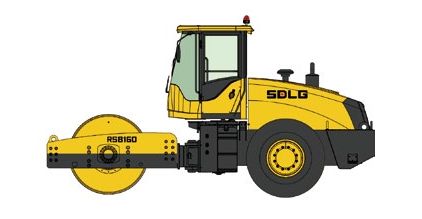 Road Roller
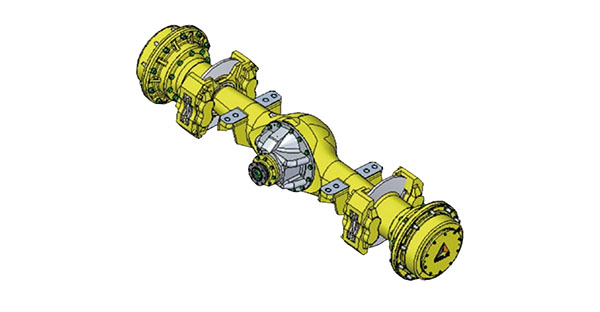 Spare Parts