Sany Equipment Buying Guide for Global Buyers in 2026?
In 2026, purchasing Sany Equipment presents both opportunities and challenges for global buyers. Sany Equipment is renowned for its superior quality and innovative designs in the construction and heavy machinery sectors. Buyers must navigate various factors, including price, performance, and after-sales service.
Understanding the unique features of Sany Equipment can enhance the buying experience. However, potential pitfalls exist. Import regulations and regional support services can differ greatly across countries. Researching local distributors is essential to ensure reliability.
This guide aims to provide insights into effectively evaluating Sany Equipment. It will explore practical tips and considerations that can impact purchase decisions. While Sany Equipment is a solid choice, due diligence remains vital for a successful investment.
Overview of Sany Equipment and Its Global Market Presence
Sany Equipment holds a significant position in the global construction machinery market. With increasing infrastructure development worldwide, its brand recognition has dramatically expanded. According to a recent market report, the global construction equipment industry is projected to reach $300 billion by 2026, with Sany contributing a noteworthy share. This growth highlights the rising demand for reliable and efficient machines.
The company offers a diverse portfolio of equipment, including excavators and cranes. A 2023 analysis indicates that excavator sales alone are expected to grow by 8% annually in emerging markets. However, as Sany navigates this competitive landscape, it faces challenges. Quality control and after-sales service remain pivotal concerns for buyers. Ensuring product reliability is paramount, yet there are occasional gaps in customer support.
As Sany expands its market reach, it must adapt to local needs and regulatory requirements. This approach can enhance user satisfaction and bolster its reputation. Monitoring buyer feedback is essential for continuous improvement. Understanding buyer preferences will refine future product development. The journey holds potential, but successful execution will require mindfulness and adaptability.
Key Factors to Consider When Buying Sany Equipment
When considering the purchase of equipment, several key factors come into play. It's crucial to evaluate the equipment's specifications. Understand the power output, lifting capacity, and efficiency ratings. These details inform decisions on suitability and productivity. Reliability is another vital aspect. Research reviews and customer feedback. Equipment should withstand tough conditions over time.
Tips: Check service availability in your region. Maintenance plays a significant role in longevity. Consider parts supply and technician availability for quick repairs.
Budget is essential too. Calculate total costs, including purchase, maintenance, and operation. Look for financing options that suit your financial plan. Unexpected costs can create issues later.
It’s wise to test equipment before finalizing the purchase. Arrange a demonstration or try renting first. This helps gauge performance in real-world conditions. Don't rely solely on brochures or sales pitches. Speak to users if possible; their insights are invaluable.
Sany Equipment Buying Trends in 2026
This chart illustrates the projected global demand for various types of equipment in 2026. The data indicates a significant preference for excavators and bulldozers, which are likely to dominate the market. Other equipment types like cranes and forklifts show lower demand, highlighting trends potential buyers should consider.
Popular Sany Equipment Models for Various Industries
When selecting equipment for various industries, understanding popular models is crucial. Different sectors have unique needs, from construction to agriculture. For those in construction, excavators stand out. They offer excellent versatility and power. Compact models can navigate tight spaces, while larger ones handle heavy-duty tasks.
In agriculture, tractors with advanced features enhance productivity. High-efficiency engines and smart technology streamline operations. These tractors adapt well to diverse farming practices, making them a valuable investment. For material handling, wheel loaders provide exceptional maneuverability and lifting capacity. Their design ensures optimal performance for transporting goods.
However, choosing the right equipment is not always straightforward. Potential buyers may overlook specific features that impact performance. It's essential to evaluate the long-term benefits versus immediate costs. Conducting thorough research can help identify the best models suited for particular needs. Users often find that investing in quality equipment yields better results over time, despite higher initial expenditures. Reflection on past purchases can guide future decisions, ensuring that the chosen equipment meets both current and evolving industry demands.
Financing Options and Cost Considerations for Global Buyers
When considering the purchase of heavy equipment, financing options play a crucial role. Global buyers should evaluate various funding methods. Traditional loans, lease options, and government grants can help manage upfront costs. Each of these options has its own set of advantages and challenges. Buyers must analyze interest rates, payback periods, and terms carefully.
Cost considerations go beyond the purchase price. Maintenance, insurance, and operational costs are significant factors. An unexpected breakdown can lead to high repair bills. Therefore, creating a comprehensive budget is essential. Many buyers overlook the total cost of ownership, which includes depreciation. This oversight can affect long-term profitability.
Understanding equipment needs is vital. Buyers should conduct thorough market research to select the right model. Gathering advice from industry experts can provide valuable insights. However, not all sources are reliable. Ensuring informed decisions involves critically evaluating the information available. This practice allows for smarter investments in the competitive global landscape.
Sany Equipment Buying Guide for Global Buyers in 2026
| Equipment Type |
Average Price (USD) |
Financing Options |
Estimated Monthly Payment (USD) |
Total Cost of Ownership (5 years) |
| Excavator |
$100,000 |
Lease, Loan |
$2,000 |
$130,000 |
| Bulldozer |
$80,000 |
Lease, Installment |
$1,600 |
$110,000 |
| Loader |
$75,000 |
Loan, Rent |
$1,500 |
$100,000 |
| Crane |
$150,000 |
Lease, Loan |
$3,000 |
$200,000 |
| Forklift |
$50,000 |
Rent, Lease |
$1,000 |
$65,000 |
Maintenance and Support Services for Sany Equipment Purchasers
When investing in heavy machinery, understanding maintenance and support services is crucial. Many buyers underestimate the importance of reliable post-purchase support. This oversight can lead to significant downtime and increased costs. A well-structured maintenance program ensures your equipment remains functional. It also enhances productivity and longevity.
Tips: Always request a detailed service schedule. This information helps you plan for regular maintenance. Engage with experienced technicians to know proper usage limits. Training staff in maintenance practices can prevent minor issues from escalating.
Investing in warranties and service plans is often overlooked. These options can provide peace of mind and safeguard against unexpected repairs. Research local service providers who offer timely support and are knowledgeable about your equipment’s needs. After all, accessibility to service can make a considerable difference when issues arise.

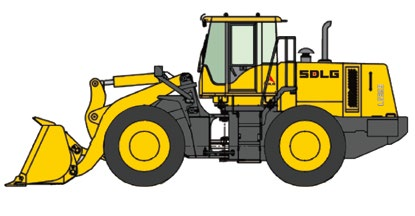 Wheel Loader
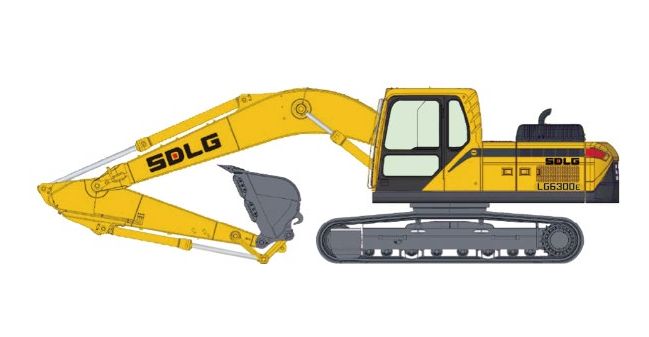 Excavator
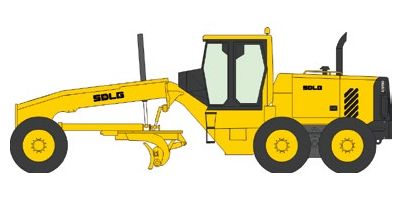 Motor Grader
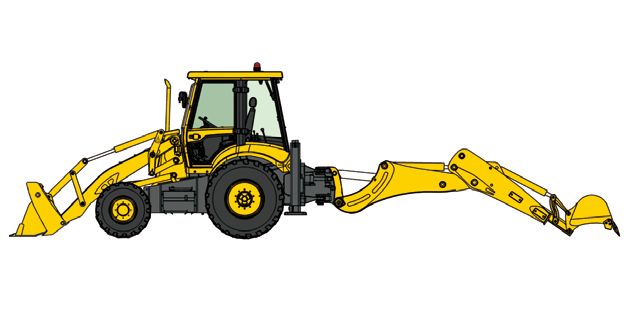 Backhoe Loader
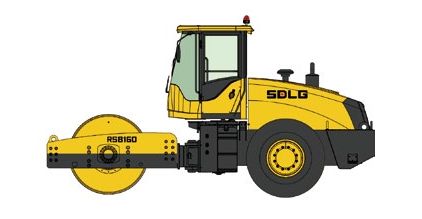 Road Roller
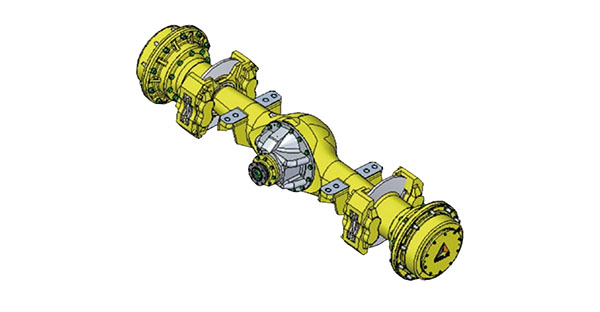 Spare Parts