Top 5 Tips for Choosing the Right Construction Vehicles
Choosing the right construction vehicles is crucial for any construction project. According to industry expert John Harrington, “Selecting the right machines can make or break a job.” The construction vehicles you choose will impact efficiency, safety, and overall project success. With several options available, making the right choice can be overwhelming.
Many contractors face dilemmas when picking construction vehicles. Each vehicle type serves different functions. For example, excavators are essential for digging, while bulldozers are vital for pushing and leveling earth. It’s easy to overlook specific needs in favor of popular models. This can lead to misalignment between project requirements and vehicle capabilities.
Investing time in selection can yield better results. A simple misstep could lead to delays and increased costs. Experts recommend assessing your project's unique requirements first. Understanding those needs will guide you in choosing the right construction vehicles. Reflecting on past choices can also help avoid repeating mistakes. Tailoring your selection process leads to better decision-making.
Understanding Different Types of Construction Vehicles and Their Uses
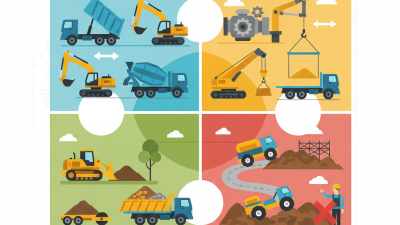
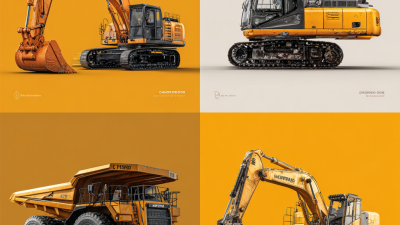
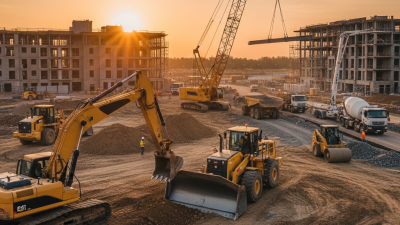
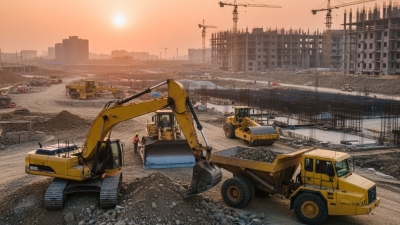
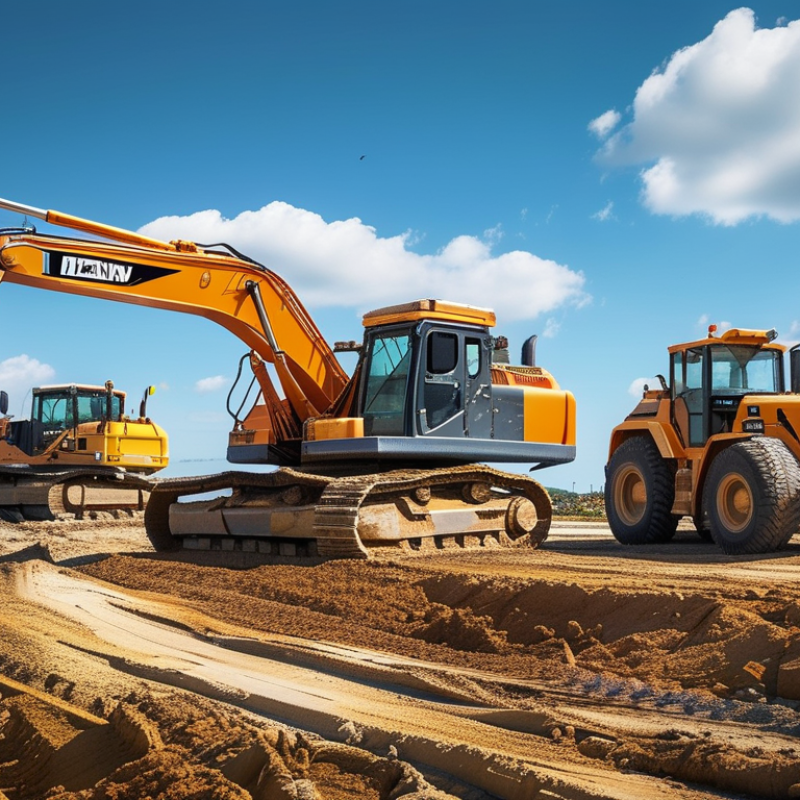
When selecting construction vehicles, understanding their various types and uses is crucial. Excavators are versatile machines, typically used for digging and heavy lifting. They can operate in tight spaces and handle various tasks, from trenching to demolition. Their adaptability makes them essential on any construction site.
Dump trucks are vital for transporting materials. They can carry large loads of soil, gravel, or debris. Sizes vary, so choosing the right one depends on your project's scale. However, relying on a dump truck too heavily can slow down a project if not coordinated with other vehicles.
Cranes are another important option. They are excellent for lifting heavy loads to great heights. Their use requires expertise and proper safety measures. Without adequate knowledge, accidents can occur, resulting in costly delays. Each type of vehicle has its strengths and weaknesses. Evaluating your specific needs is essential for making the best choice.
Evaluating the Key Specifications for Vehicle Performance and Efficiency
Selecting the right construction vehicles hinges on evaluating key specifications. Focus on performance metrics like horsepower and torque. These directly impact the vehicle's capability on-site. Consider the type of terrain where the vehicle will operate. It can drastically affect efficiency and operation.
Fuel efficiency is another crucial aspect. A vehicle that consumes less fuel can save significant costs over time. Look for vehicles with an optimized powertrain. Proper maintenance practices also play a role. Daily checks can prevent minor issues from escalating.
Pay attention to vehicle weight and payload capacity. Heavier vehicles may offer stability but can struggle on soft ground. Always assess your specific needs. Trials can reveal unexpected performance issues. Remember, the right choice impacts productivity significantly.
Assessing the Cost and Budget Implications of Construction Vehicles
When evaluating construction vehicles, understanding the cost and budget implications is vital. Research by the Associated General Contractors of America indicates that equipment costs can represent up to 30% of total project expenses. It's clear that choosing the right vehicle affects profitability directly.
Before making a purchase, consider the total cost of ownership. This includes maintenance, fuel consumption, and depreciation. A compact excavator, for example, may have a lower upfront cost but can be more expensive to maintain over time.
Tip: Analyze your project requirements closely. Vehicle size, capability, and versatility can greatly influence operational costs. A vehicle that seems cheap initially might result in higher fuel costs if it's underpowered for your needs.
Always revisit your budget. Are you accounting for fluctuating fuel prices? Regular maintenance? Reports from the National Association of Heavy Equipment Dealers suggest that even slight changes in operational costs can lead to significant budget overruns over a project's duration.
Tip: Utilize rental options for short-term needs as they can alleviate upfront capital burdens. This approach allows flexibility while minimizing risk. Balancing cost and functionality will shape your project's success.
Considering Brand Reputation and Supplier Support Services
When selecting construction vehicles, considering brand reputation and supplier support services is crucial. A well-established brand often signifies a reliable product. These brands usually invest in research and development, leading to better technology and performance. High reputation can mean a proven track record of durability and efficiency. A vehicle that offers these attributes can enhance productivity on site.
Supplier support services can significantly impact the overall ownership experience. Access to timely maintenance can prevent minor issues from becoming major problems. Some suppliers offer exceptional after-sales support, ensuring parts are available and service is just a phone call away. It is essential to assess the supplier’s response times and availability. Reflecting on your previous experiences with support services can inform your decision-making.
While many companies boast strong reputations, not all deliver the same level of support. It's worth examining user reviews and industry feedback. A few negative remarks can signal potential concerns, while others may provide valuable insights. All this information is essential in making a well-informed choice that balances quality and reliability.
Analyzing Safety Features and Compliance Standards in Construction Vehicles
When selecting the right construction vehicles, safety features are paramount. Many models boast advanced safety designs, but not all meet stringent compliance standards. It's crucial to verify certifications. Check for recognized safety ratings. Look for features like rollover protection systems and automatic braking. These can significantly reduce accidents on-site.
Understanding compliance standards is essential. Regulations vary by region and type of vehicle. Some manufacturers may cut corners to save costs. Scrutinize the manufacturer's compliance history. This reveals their commitment to safety. Review real-world testing results, not just marketing claims. Models with extensive testing often provide better safety performance.
It's also valuable to involve your team in the selection process. Different roles have varying safety needs. Their hands-on experience can inform decisions. However, sometimes opinions conflict, leading to indecision. Balance these views with data-driven insights. Safety should always be the top priority in vehicle selection.

 Wheel Loader
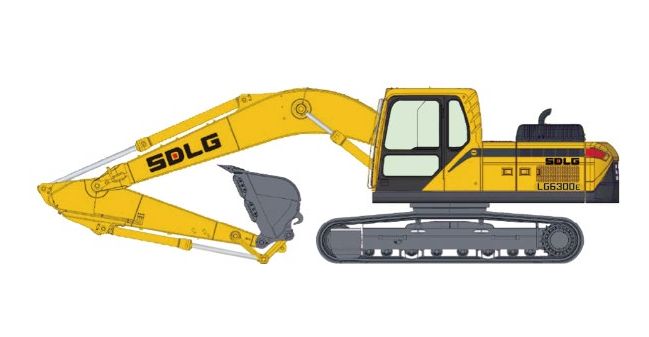 Excavator
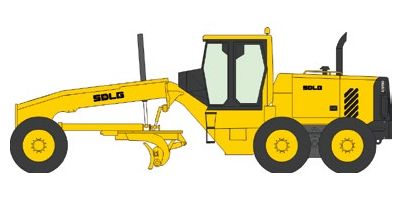 Motor Grader
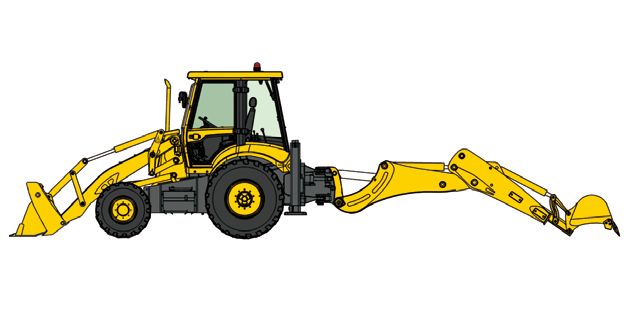 Backhoe Loader
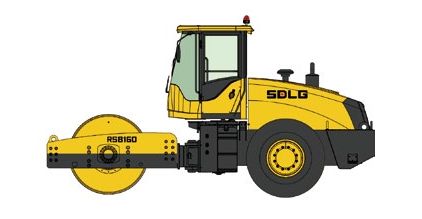 Road Roller
 Spare Parts