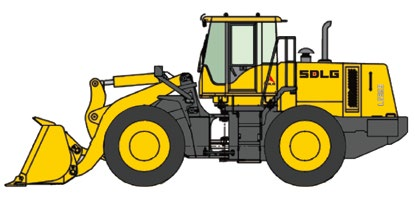
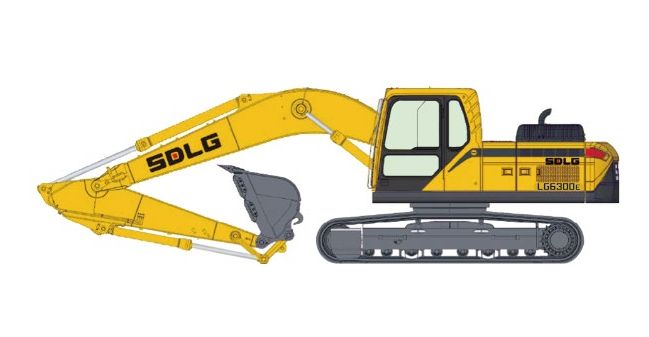
A broken excavator rarely fails at a convenient moment. A hydraulic hose may start weeping beside a muddy trench, or a travel motor may lose power halfway through a shift. When hauling the machine to a workshop costs time and money, a Mobile Excavator Mechanic can diagnose and repair it on site. The right service brings the tools, technical knowledge, and practical judgment to the job.
This guide introduces ten mobile excavator mechanic services worth considering, from fault diagnosis and hydraulic repairs to scheduled maintenance and undercarriage inspections. It also looks at response times, service coverage, equipment capabilities, and communication. Ask what machines a provider supports, how technicians document repairs, and whether common parts travel in the service vehicle. Small details matter. A clear estimate helps, too.
For transparency, the following is an illustrative composite, not a verified quotation from a real, named expert: “Good field service starts with a careful diagnosis, not a rushed parts swap.” The principle is simple. A dependable technician checks the symptoms, explains the likely cause, and confirms the repair before returning the excavator to work. No provider is perfect, and a fast arrival alone does not guarantee a lasting fix. Use this list as a starting point, then compare each service against your machine, site conditions, and maintenance records.

Mobile excavator repair means diagnosing and restoring a machine at its worksite, rather than transporting it to a workshop. A field mechanic may inspect hydraulic hoses, electrical faults, cooling systems, tracks, and attachment pins. A small oil leak under the boom can become a costly stoppage. Accurate fault records matter.
Many OEM maintenance schedules place routine engine-oil and filter service near 250 operating hours, but this is a checkpoint, not a universal rule. The machine’s manual sets the actual interval. Dust, heavy digging, long idle periods, and high temperatures can justify earlier inspection.
The U.S. Department of Energy’s Operations & Maintenance Best Practices Guide (2010) distinguishes scheduled preventive maintenance from condition-based work. Applied to excavators, that means pairing hour-meter service with checks for leaks, abnormal heat, and fluid condition. Keep samples and readings. They reveal trends.
A clean-looking oil sample is not proof that every component is healthy, and that distinction is easy to miss.

When an excavator stops on site, a useful mobile mechanic should offer more than a quick restart. Ask whether the service includes fault-code checks, pressure testing, and a clear explanation of findings. Diagnostics matter. They help separate a failed sensor from a deeper mechanical problem.
A strong service list covers hydraulic repairs, engine maintenance, and undercarriage inspections. A mechanic may trace a cylinder leak, check engine oil pressure, or inspect worn track rollers and loose bolts. Electrical troubleshooting, cooling-system repairs, and fuel-system servicing are also valuable. So are drivetrain repairs and attachment inspections. Small details count: a hose routed too close to a hot surface may fail again. A tidy repair is not always a lasting one.
Preventive maintenance completes the ten core services. It can include fluid checks, filter changes, lubrication, and a written inspection record. Before hiring, confirm the mechanic can safely work at your site and ask what parts, labor, and follow-up checks are included. Clear answers build trust. Still, no diagnosis is perfect on the first visit; unusual noises may need monitoring after repair. Choose a technician who explains that uncertainty rather than promising an instant fix.
A practical planning guide to ten common mobile service areas. The scores are illustrative priority ratings, not measured industry statistics.
Ratings run from 1 (lower routine priority) to 5 (higher routine priority). Actual needs depend on machine condition, operating environment, and service history.
When hiring a mobile excavator mechanic, ask how they test hydraulic fluid, not just whether they “check the oil.” A useful report identifies the sample point, date, and ISO 4406 cleanliness code. ISO 4406 codes particle counts at three size ranges, helping reveal contamination that may accelerate wear in pumps and valves. Ask whether the sample was taken from a clean, representative point. A dirty bottle or poor sampling method can distort results. That detail matters.
A capable mechanic should also explain safe isolation before opening a hydraulic circuit. Under OSHA 29 CFR 1910.147, hazardous energy must be controlled when the standard applies to the servicing work. The procedure may include shutting down, lowering attachments, isolating energy sources, applying locks and tags, and verifying isolation. Hydraulic pressure can remain trapped, including in accumulators. Never treat a stopped engine as proof of zero pressure. Ask the mechanic to describe how they release and verify stored energy for your machine. Procedures vary by equipment, and field conditions can complicate them; a rushed explanation is a reason to pause and clarify. A neat service record helps, but it cannot replace careful isolation and sound fluid sampling.
A mobile excavator quote should separate travel fees, diagnostic time, labor, parts, and any after-hours charge. Ask whether travel is billed by distance, time, or a fixed callout fee; a low hourly rate can hide a costly round trip. Request the minimum labor charge and the rate for additional time. The U.S. Bureau of Labor Statistics reported a 2023 median annual wage of $60,640 for heavy vehicle and mobile equipment service technicians. That figure is useful context, not a field-service price: employer costs, location, tools, and travel all affect the customer’s bill. Compare like with like.
Parts need detail. Ask for part numbers, new or remanufactured status, markup, warranty, and return terms before approving work. For a hydraulic leak, for example, the estimate should distinguish inspection, hose replacement, fluid, and cleanup rather than bundle everything as “repair.” Get the expected arrival window in writing, plus the fee if the technician misses it or the excavator needs a second visit. Ask whether the response commitment means dispatch, arrival, or diagnosis. Those are different promises. A precise commitment can still slip when roads, weather, or parts availability interfere. That matters. Keep the quote and work order together, and check the final hours against the technician’s notes; honestly, this step is easy to skip when the machine is urgently needed.
Planning comparison in USD: The figures below are illustrative budgeting ranges for common mobile excavator service calls—not verified quotes from specific providers. Actual prices depend on location, machine size, access, parts availability, and work scope. Response times are targets to request in writing, not guaranteed service commitments.
| # | Service Type | Typical Travel / Call-Out Fee | Labor Rate | Indicative Parts Allowance | Response-Time Target to Request |
|---|---|---|---|---|---|
| 1 | On-Site Diagnostics | $75–$250 | $125–$225 per hour | $0–$300 for basic diagnostic consumables or minor items; replacement components extra | Same day for urgent calls; otherwise within 1–2 business days |
| 2 | Hydraulic Hose and Fitting Repair | $75–$250 | $125–$225 per hour | $100–$1,200+, depending on hose length, fittings, and whether fabrication is required | Same day if the correct hose and fittings are available locally |
| 3 | Electrical and Starting-System Repair | $75–$250 | $125–$225 per hour | $25–$900+, depending on whether the repair needs wiring, a starter, or an alternator | Same day to next business day, subject to diagnostic findings and parts stock |
| 4 | Engine Troubleshooting and Repair | $75–$250 | $140–$250 per hour | $50–$2,500+; internal engine work can exceed this range substantially | Initial assessment within 1–2 business days; repair timing after diagnosis |
| 5 | Cooling-System Service | $75–$250 | $125–$225 per hour | $30–$1,500+, depending on fluids, hoses, thermostat, radiator, or cooling components | Next business day is a reasonable target; urgent availability varies |
| 6 | Undercarriage Inspection and Track Repair | $100–$300 | $140–$250 per hour | $100–$3,000+; track-chain, roller, idler, or shoe replacement can cost more | Inspection within 1–3 business days; repair depends on parts and equipment access |
| 7 | Hydraulic Pump and System Repair | $100–$300 | $150–$275 per hour | $150–$5,000+; pump replacement or major component work may be substantially higher | Assessment within 1–3 business days; confirm component lead time before booking |
| 8 | Preventive Maintenance and Fluid Service | $75–$250 | $110–$200 per hour | $150–$1,000+, depending on machine size, filters, fluids, and service interval | Usually schedulable within 2–5 business days |
| 9 | Swing, Travel, or Final-Drive Troubleshooting | $100–$300 | $150–$275 per hour | $200–$6,000+; rebuilds or major drive components can exceed this range | Initial assessment within 1–3 business days; parts availability may extend repair time |
| 10 | Emergency Breakdown Call-Out | $150–$500+ | $175–$325 per hour; after-hours minimums may apply | $50–$3,000+ depending on failure and parts availability | Ask whether dispatch within 2–6 hours is possible; confirm any after-hours premium |
Before hiring, request a written estimate that separates travel, minimum labor hours, diagnostic charges, parts, after-hours rates, taxes, and any return-trip fee. Confirm the mechanic’s excavator experience, service area, parts sourcing, and whether the promised arrival window is guaranteed or an estimate.
When comparing mobile excavator mechanic services, ask for references from customers with similar machines and working conditions. A repair that succeeds in a clean yard may not hold up in a dusty, high-hour operation. Call two references, if possible. Ask whether the mechanic arrived when promised, explained the fault, and tested the machine after the repair. Specific answers are more useful than a general “good service” rating.
Read the warranty terms before approving work. Check how long labor and parts are covered, whether travel is included, and what happens if the same fault returns. Get those details in writing. A low quote can become less attractive if diagnostic time or a return visit is excluded. I used to treat a neat invoice as proof of quality; that was not enough. Request documented repair records showing the reported symptoms, fault codes or test readings, parts replaced, and post-repair checks. Keep copies with the machine’s service history. Missing records are a warning, though not automatic proof of poor workmanship; ask the provider to explain the gap and record the current findings before work begins.