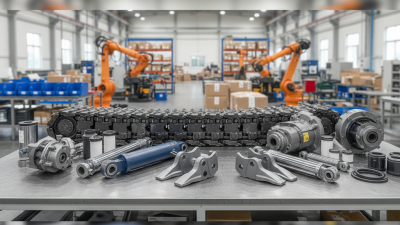
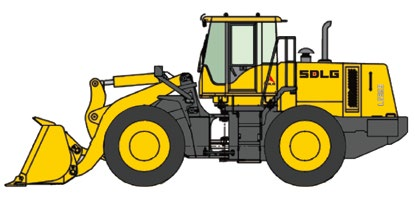
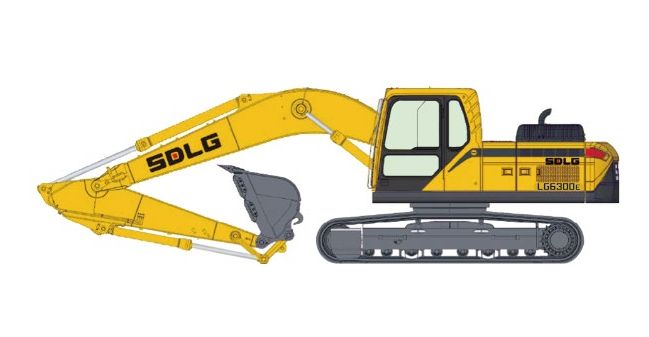
China’s Heavy Equipment sector includes manufacturers with very different strengths. SANY, XCMG, Zoomlion, LiuGong, Shantui, and SDLG build machines for construction, mining, roadwork, and material handling. Their names appear on excavators, cranes, loaders, and bulldozers across international markets. But a familiar brand name does not guarantee the best fit for every job.
SANY founder Liang Wengen is associated with the company’s phrase, “Quality changes the world.” It points to a useful question for buyers: how does a manufacturer turn quality claims into dependable machines, accessible parts, and responsive service? Look beyond headline production figures. Compare machine specifications, dealer coverage, warranty terms, operator support, and the availability of replacement components. A parked excavator waiting for a hydraulic hose can cost more than a small difference in purchase price.
The ranking in this guide considers product range, manufacturing scale, export presence, technology, and support. These measures help, but they are not perfect. A company strong in cranes may not be the right choice for a remote quarry, while a regional dealer can change the ownership experience considerably. That detail is easy to miss. Buyers should also check local references and compare machines under their actual working conditions. The strongest manufacturer is not always the largest one; it is the one whose equipment and support match the task. This overview offers a practical starting point, not a substitute for due diligence.
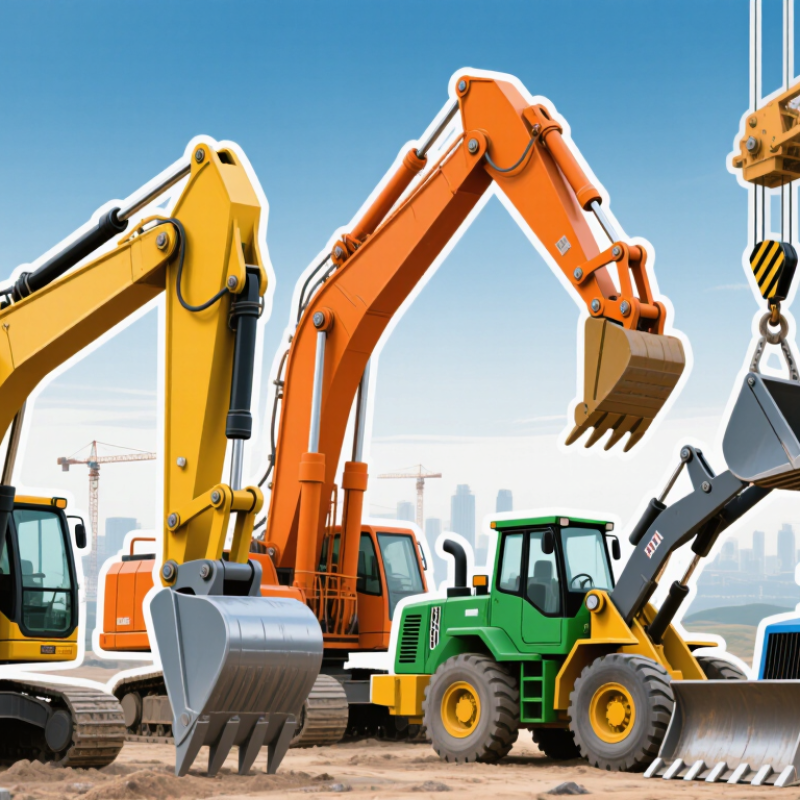
Heavy equipment manufacturers convert engineering designs into machines built for demanding worksites. Their teams plan frames, hydraulic systems, engines, controls, and safety features. They also test components under load and check how machines respond to heat, dust, and uneven ground. The work is practical. A small hydraulic leak can halt a job.
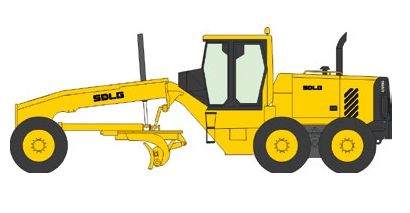
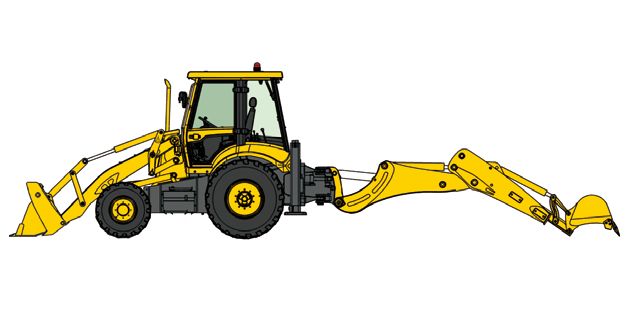
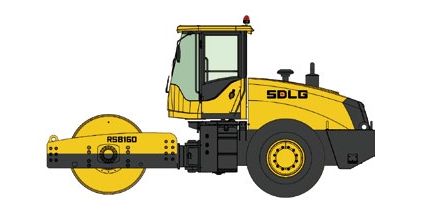
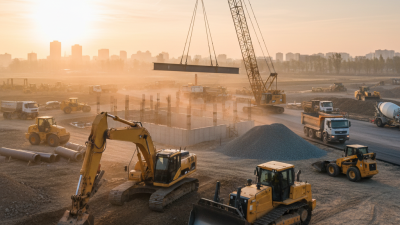
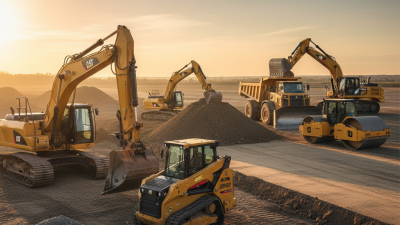
Their product ranges may include excavators, wheel loaders, bulldozers, motor graders, cranes, and road rollers. Excavators dig trenches and foundations; loaders move gravel into waiting trucks. Bulldozers push soil across rough terrain, while graders shape road surfaces with long adjustable blades. Cranes lift heavy materials, and rollers compact soil or asphalt. Different jobs need different machine sizes and attachments. A compact excavator can fit a narrow site, but it will not move earth as quickly as a larger unit.
Manufacturers may also produce concrete equipment, mining machines, and material-handling vehicles. Buyers should look beyond output figures. Fuel use, operator visibility, maintenance access, parts supply, and local service all affect daily performance. Specifications help, but they do not tell the whole story. A machine can look capable on paper and still feel awkward in muddy conditions. Real site feedback matters, though even that can reflect one crew’s habits rather than every operator’s experience.
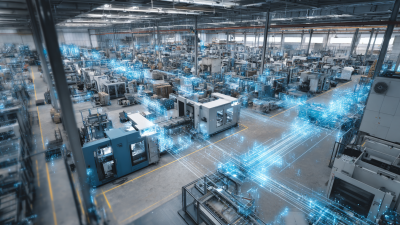
China’s heavy equipment industry developed through a gradual shift from repair work and basic machinery toward large-scale engineering production. Early factories supplied domestic farms, mines, and construction sites, often adapting imported designs to local conditions. Capacity grew alongside urban expansion, transport projects, and demand for reliable machines. Not overnight.
Over time, manufacturers built deeper capabilities in casting, hydraulics, engines, controls, and component sourcing. Industrial clusters brought suppliers closer to assembly plants, reducing delays and making equipment easier to maintain. Technical institutes and vocational schools helped train machinists, welders, and service technicians. These changes mattered on muddy road projects, where downtime could halt an entire crew. Progress was uneven. Some producers advanced quickly, while others still faced gaps in precision, durability, or after-sales support.
More recent development has included digital monitoring, cleaner power systems, and machines designed for varied export markets. Yet industrial growth is not a straight line. Local demand can rise and fall, and high production volumes do not automatically guarantee long service life. Buyers and engineers therefore judge progress through field tests, spare-parts access, fuel use, and repair times. That practical view is less flattering, but more useful.
China’s leading heavy-equipment manufacturers serve construction, mining, roadwork, and infrastructure projects. Their strengths are best judged by machine reliability, component quality, service access, and parts availability—not production volume alone. On site, small details matter: a loader must start in cold weather, and replacement hoses should arrive before a machine misses another shift. Scale matters. So does uptime.
The China Construction Machinery Association reported 195,018 excavator sales in 2023 and 201,131 in 2024, a rise of about 3.1 percent. These annual figures indicate a recovering market, but they do not prove that every manufacturer offers equal durability or support. That is an imperfect proxy. Buyers should also check service coverage, repair times, fuel use, and whether operators can easily source compatible parts.
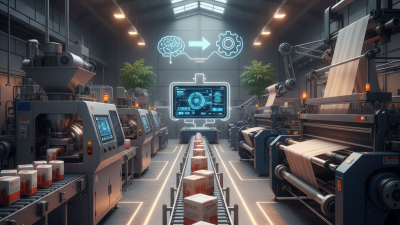
Leading manufacturers compete through broader product ranges, local dealer networks, and investment in production technology. Digital monitoring can flag rising engine temperatures or hydraulic pressure changes before a breakdown. Yet software is only useful when technicians can respond quickly. A glossy factory tour cannot replace inspection of welds, hoses, and maintenance records. One detail is easy to overlook: parts support after the sale.
China’s heavy-equipment manufacturers cover earthmoving, lifting, road construction, and mining. Many product lines reflect demand from large infrastructure projects and local contractors. Excavator ranges may include compact machines for utility work and larger crawler models for quarries. Bucket capacity, hydraulic response, and access to service points matter more on site than a polished brochure suggests.
Crane specialists produce truck-mounted, rough-terrain, and crawler cranes. Lifting capacity and boom configuration determine where each type performs best. Road-equipment makers focus on graders, rollers, and asphalt pavers, where vibration control and steady material delivery affect the finished surface. Concrete equipment may include batching plants, pumps, and mixer trucks. Details matter. A pump’s reach is useful only when the site has enough setup space.
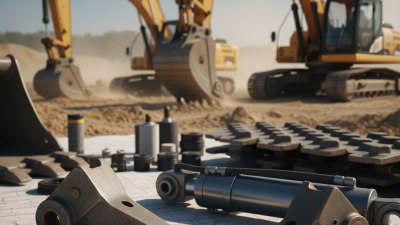
Mining-focused manufacturers often build loaders, haulage equipment, and drilling systems for dusty, uneven ground and long shifts. Some are developing battery-powered or hybrid models, but charging access and repair skills can limit their use at remote sites. Buyers should compare payload, energy use, spare-parts access, and technician training under real working conditions. Specifications help, but they leave questions unanswered. I would inspect wear points in person; that step is easy to overlook.
| Manufacturer Segment | Key Products | Typical Specialties | Common Applications |
|---|---|---|---|
| Construction and earthmoving equipment | Hydraulic excavators, wheel loaders, bulldozers, motor graders, and road rollers | Equipment for digging, loading, grading, and soil compaction; product ranges commonly include multiple machine sizes and configurations | Building construction, road works, earthmoving, quarrying, and general infrastructure projects |
| Mobile and tower crane equipment | Truck cranes, all-terrain cranes, crawler cranes, rough-terrain cranes, and tower cranes | Lifting solutions designed for different load capacities, site conditions, reach requirements, and transport needs | Construction sites, industrial installation, bridge building, energy projects, and port operations |
| Concrete machinery | Concrete pumps, truck-mounted pump units, concrete mixer trucks, batching plants, and placing equipment | Equipment for batching, transporting, pumping, and placing concrete, with configurations suited to different project scales | High-rise buildings, housing, roads, tunnels, bridges, and other concrete-intensive construction |
| Mining and quarry equipment | Large mining excavators, mining trucks, drilling rigs, crushing equipment, and material-handling machinery | Heavy-duty machines and systems intended for demanding material movement and extraction environments | Open-pit mines, quarries, mineral processing sites, and bulk-material operations |
| Road construction and maintenance equipment | Asphalt pavers, road rollers, milling machines, graders, and asphalt production equipment | Machinery for road surfacing, compaction, pavement removal, and preparation of road-building materials | Highways, urban roads, airport pavements, and road repair projects |
| Port and material-handling equipment | Container cranes, reach stackers, forklifts, port tractors, and bulk-material handlers | Equipment designed to move, stack, and transfer containers or other materials across logistics facilities | Seaports, inland terminals, warehouses, freight yards, and industrial sites |
| Agricultural and forestry machinery | Tractors, harvesters, forestry machines, and related implements | Mechanized solutions for field work, crop harvesting, land preparation, and selected forestry tasks | Farms, agricultural cooperatives, forestry operations, and rural infrastructure projects |
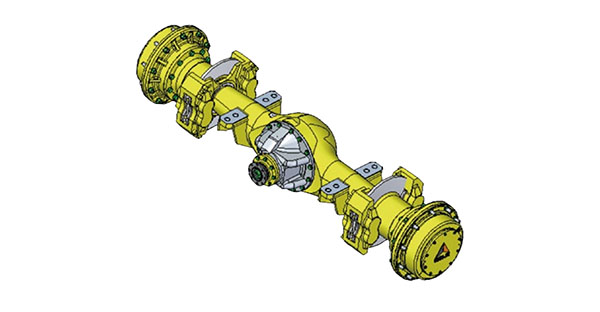
| Industrial power and drivetrain equipment | Diesel engines, transmissions, hydraulic systems, and power-generation equipment | Core components and power systems used in heavy machinery and other industrial applications | Construction equipment, mining machinery, transport equipment, and industrial facilities |
When comparing Chinese heavy equipment manufacturers, match each supplier to the machine’s actual workload. A crawler excavator for rocky ground needs different strengths from a wheel loader used on paved sites. Compare operating weight, engine output, rated capacity, fuel use, and maintenance intervals. Check that figures come from current technical documents, not only sales sheets. Ask for a sample inspection report. Does it show the test date, machine configuration, and measured results?
Look closely at manufacturing quality and support. If possible, inspect welding, hose routing, cab controls, and parts storage at the factory. A tidy display unit is not enough; ask to see production and final-inspection records. Confirm which wear parts are stocked, how quickly they can be shipped, and what training technicians receive. Request references from buyers operating similar machines in comparable conditions. Then compare the full ownership cost, including shipping, service, and expected downtime, rather than purchase price alone. Small print matters. A checklist helps, but it cannot predict every failure; even careful comparisons leave room for judgment. Ask direct questions, record the answers, and verify important claims before committing.