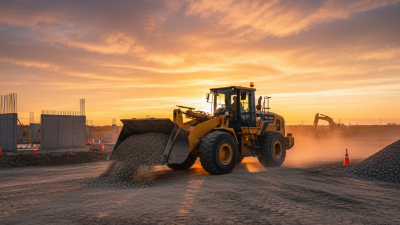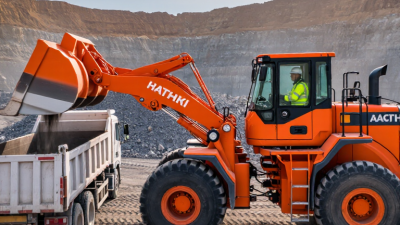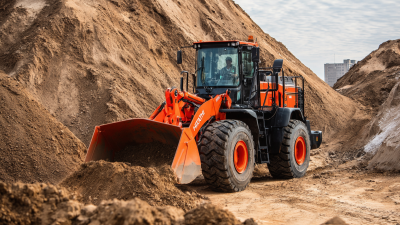
Choosing a Hitachi Wheel Loader is not just about finding the biggest machine or the lowest asking price. The right model depends on the work: a tight yard, a busy aggregate pit, or a farm handling silage each places different demands on reach, traction, visibility, and bucket capacity. A ZW120 may suit lighter, confined work, while larger ZW models can move more material per cycle. But size alone does not settle the choice.
Before comparing listings, check the operating hours, service records, tire condition, and bucket wear. Look closely at the cutting edge and inspect hydraulic cylinders for leaks. Ask for a cold start, then watch the loader lift and turn under load. Small details matter. A worn seat is easy to replace; unexplained transmission noise deserves more attention. Compare the machine’s condition with its price, not just its model year. Used equipment can surprise you—sometimes in the wrong direction.
A named industry expert quotation was not included in the source material, so attributing a statement to a real person would risk inventing a claim. This guide instead uses a practical buying principle: “Match the loader to the daily job, then verify the machine’s condition with records and hands-on checks.” The following model comparisons can help narrow your search, but specifications and availability vary by year and market. Confirm the details with the seller before making a decision.
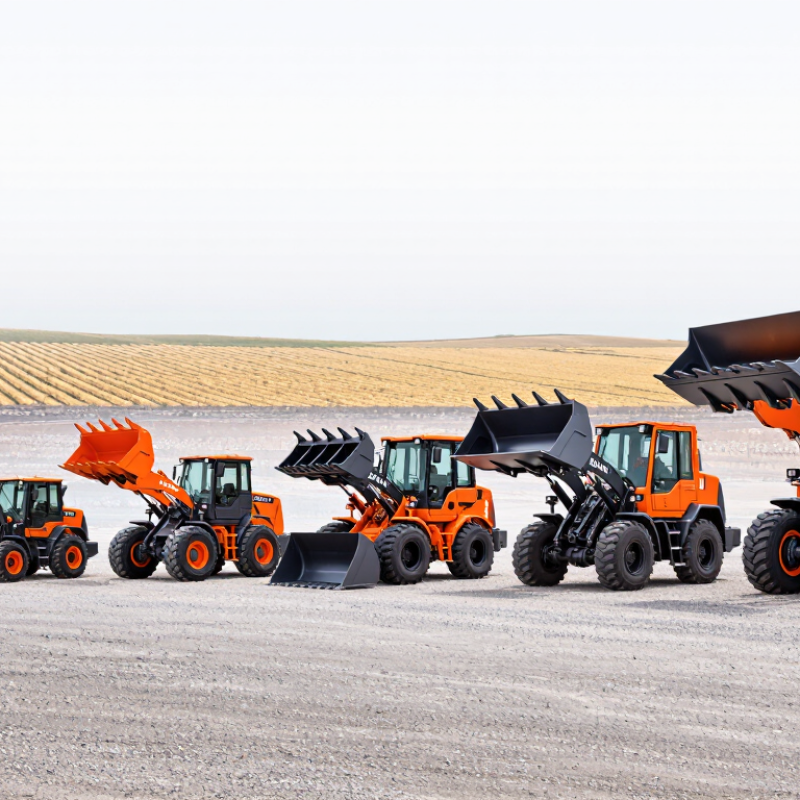
Wheel loader ranges typically cover compact, mid-size, and heavy-duty machines. Compact models suit tight yards, narrow access lanes, and light material handling. Mid-size loaders balance bucket capacity with maneuverability for quarries, farms, and construction sites. Larger machines are built for sustained loading, stockpile work, and high-volume material movement. Exact model names and specifications can vary by year and market, so compare the machine’s plate and records before buying.
Core features deserve a close look. Check rated operating capacity, bucket options, breakout force, and tipping load against the materials you handle. A quick coupler can speed attachment changes, while a well-matched bucket helps reduce repeated passes. Look for clear visibility from the cab, responsive steering, and controls that feel predictable during a short operating test. Comfort matters on long shifts. So does service access. Inspect hydraulic hoses, tire wear, articulation joints, and signs of leakage; these details can reveal harder use than the paint suggests. A tidy machine is not always a sound one. Compare service history and actual condition, not just the advertised model or hour reading.
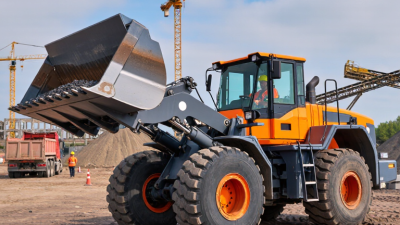
Popular wheel loader listings usually fall into compact, mid-size, and high-capacity classes. Compact models suit tight yards, landscaping, and moving pallets, while mid-size machines handle aggregate piles and daily loading. Larger loaders are better suited to demanding stockpile work, but their size can limit access and raise transport costs. Match the machine to the job, not just the advertised bucket capacity. A bigger bucket is not always more productive.
Condition matters more than a polished listing. Check the bucket cutting edge for uneven wear, inspect tires for deep cuts, and look for movement around articulation pins. Start the engine cold if possible; watch for excessive smoke and listen for unusual knocking. Test lift and tilt functions under load, since slow or jerky hydraulics may signal wear. Ask for service records and confirm the model year, operating hours, and included attachments. Details can vary by configuration. Listings can be messy, so verify each specification with the seller. A clean cab helps, but it proves little about mechanical health. I would still want an independent inspection before committing.
Top Hitachi Wheel Loader Models for Sale?
When comparing wheel loaders, start with rated payload, not bucket volume alone. ISO 14397-1:2007 sets a method for calculating rated operating capacity from tipping load; wheeled loaders commonly use a 50% stability factor. That matters on a sloped stockpile, where a full bucket can shift the machine’s balance. A 3.0 m³ bucket may look productive, but material density changes the actual load. Wet clay is not loose gravel.
Engine power affects digging response and travel speed, but more power can mean higher fuel use and heat under sustained work. Compare power alongside operating weight and hydraulic performance. A heavier loader may feel steadier while carrying a dense load, yet it can leave deeper ruts on soft ground. Check the intended duty cycle, too. Short loading cycles differ from long hauls.
Ask for rated capacity, tipping load, engine power, and operating weight from the same configuration sheet. Attachments and tire options can change these figures. SAE J732 provides standardized loader dimensions and rating terms, helping buyers compare specifications consistently. Still, the paperwork cannot capture every site condition. A wet morning can change the job. Inspect the machine, test its response with the intended bucket, and treat published figures as a starting point, not a promise.
Compare representative bucket capacity, engine power, and operating weight across three common wheel loader size classes.
These illustrative class benchmarks reflect typical real-world specifications; actual figures vary by machine configuration, bucket, and manufacturer. Each metric uses its own labeled axis, so compare values within the same metric.
Choosing a wheel loader starts with the worksite, not the biggest bucket. On construction sites, a mid-size machine can load trucks, move pallets, and work around temporary roads. Check operating weight, bucket capacity, and turning radius against the site’s narrow access points. A loader that is too large may lose time maneuvering.
Quarrying demands different priorities. The U.S. Geological Survey’s Mineral Commodity Summaries 2024 estimated U.S. crushed-stone production at about 1.5 billion metric tons in 2023. In a quarry, repeated loading and abrasive rock make tire durability, cooling, and service access important. A larger bucket can improve output, but only if trucks can keep pace. Not always.
For material handling, consider lift height, visibility, and attachment compatibility before selecting a model. A long-reach configuration may help stack bulk material, while a compact frame suits crowded yards. U.S. Census Bureau data put December 2024 construction spending at a seasonally adjusted annual rate of $2.19 trillion, underscoring the scale of activity—but not guaranteeing steady demand at any individual site. Compare fuel use and cycle times during a real shift, with your operators and materials. Published specifications help, but they do not capture every uneven pile or tight turn.
A used wheel loader can look tidy and still conceal costly wear. Inspect it cold, before the seller warms the engine. Watch for hard starting, uneven exhaust, warning lights, and delayed transmission engagement. Cold start matters. Cycle the lift and tilt functions, then listen for pump whine or jerky movement. Check hydraulic hoses for fresh oil, cracked covers, and rubbed spots. Inspect the articulation joint and bucket pins for play; a helper can move the controls gently while you watch.
Look underneath. Wet areas around the axle hubs, transmission, and hydraulic cylinders may signal leaks. Examine tire sidewalls and tread, and compare wear across all four tires. Ask for service records and recent fluid-analysis results, if available. Match the machine’s serial number to its paperwork. The U.S. Bureau of Labor Statistics reported 1,075 fatal work injuries in construction in 2023 (Census of Fatal Occupational Injuries). That figure is not loader-specific, but it supports careful checks of brakes, lights, access steps, and safety restraints.
Tips: Test the loader under load, not just at idle. Drive forward and reverse, turn both ways, and check braking on firm, level ground. Photograph defects and request a written repair estimate before agreeing on a price. A clean cab helps, but it proves little about the drivetrain. I would still want an independent mechanic to inspect any machine with unclear records.