Leave Your Message

Why Choose Hitachi Wheel Loaders for Your Business?

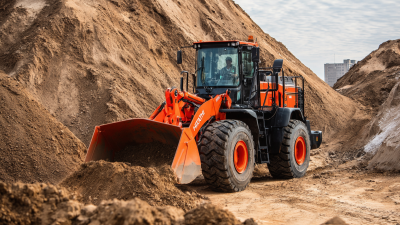
Choosing a wheel loader is a practical decision about uptime, material flow, and operating cost. On a busy site, the machine may move aggregate all day, feed a hopper, or clear a stockpile before the next truck arrives. A slow cycle adds up. Small details matter.

McKinsey’s 2017 report, Reinventing Construction, estimated that construction productivity grew about 1% annually over two decades, compared with 2.8% for the global economy. This is a sector-wide estimate, not a test of any loader brand. Still, it underscores why businesses should examine jobsite productivity, not just purchase price. Look at the work cycle, operator visibility, fuel use, maintenance access, and local service support.

A Hitachi Wheel Loader may suit a business when its configuration matches the materials, travel distances, and daily workload. Compare bucket capacity and rated payload against the actual job, then review model-specific specifications with a dealer. Ask how routine inspections are performed and what parts support is available nearby. A brochure cannot predict every site condition. Mud, tight turning areas, and changing operators can alter results. A spreadsheet can miss that. The strongest choice comes from matching verified machine data with real operating experience, then checking whether the machine delivers consistent value over time.
Why Choose Hitachi Wheel Loaders for Your Business?

Understanding Hitachi Wheel Loaders and Their Role in Business

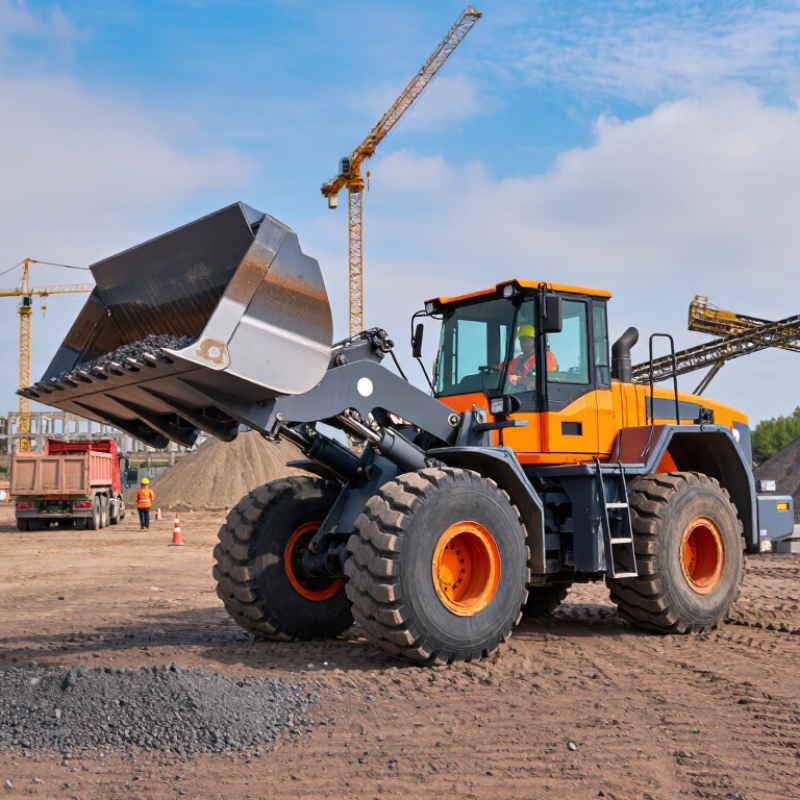
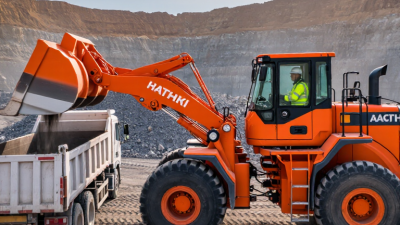
A wheel loader is a flexible machine for lifting, carrying, and placing loose materials. On a construction site, it may move gravel from a stockpile to a truck. At a recycling yard, it can keep materials flowing between sorting areas. Its role is practical: reduce repeated manual handling and help crews maintain a steady pace. The right machine depends on the work, not just the nameplate.

When evaluating a loader, consider the material, travel distance, ground conditions, and daily operating hours. Bucket capacity matters, but so do visibility, turning space, tire choice, and operator comfort. A larger bucket may move more per pass, yet it can be awkward in a tight yard. Fuel use and service access also affect operating costs over time. A specification sheet cannot predict every site; real working conditions can be messier than planned.

Tips: Watch a machine complete a typical loading cycle before deciding. Check sightlines from the cab and note how easily routine service points can be reached. Ask operators what feels inconvenient. Small annoyances add up.
Key Design Features That Support Performance and Productivity

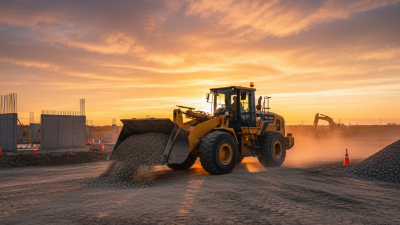
Wheel loader productivity depends on how well the machine suits the material, haul distance, and worksite layout. McKinsey Global Institute’s 2017 construction productivity analysis found annual productivity growth of about 1% over two decades, compared with 2.8% across the wider economy. Small design choices matter. A bucket matched to material density and truck height can reduce spillage and repeat passes. Responsive hydraulics help operators lift and curl smoothly through short loading cycles.

Articulated steering supports tight turns around stockpiles, while a clear cab layout helps operators track the bucket edge and nearby workers. Adjustable seat positions, simple controls, and useful camera views can reduce strain during long shifts. But aids need attention. Dirty camera lenses or poorly set mirrors can still leave blind spots. Operators should check visibility before work starts, not assume the equipment handles it.

Telematics can show idle time, fuel use, payload, and service alerts across shifts. The World Economic Forum’s 2016 construction report estimated potential annual savings of $0.7–1.2 trillion in global engineering and construction costs through digitalization. That figure covers the sector, not wheel loaders alone. Still, tracking real operating data helps managers spot wasted cycles and compare settings under similar conditions. Results vary with operator skill, ground conditions, and maintenance; a tidy dashboard cannot fix poor loading practice.

Industries and Tasks Suited to Hitachi Wheel Loaders

Wheel loaders suit work that involves repeated scooping, carrying, and stockpile management. In quarries, they move crushed stone between piles and hoppers. On construction sites, they load trucks with soil, gravel, or demolition debris. Their bucket capacity and traction matter when ground is loose or uneven. A machine that feels productive on firm ground may struggle in wet clay. That difference is easy to underestimate.

Agricultural operations use loaders to handle feed, manure, and stored materials. Recycling yards rely on them to shift bulky loads, though operators need good visibility around mixed piles.

For each task, compare lift height, bucket choice, turning space, and daily travel distance. Also consider maintenance access and fuel use. A larger machine is not automatically the better choice; tight yards can make maneuvering slow. I would check the actual site conditions before settling on a model.

Tips: Match the bucket to the material, not just the machine. Check tire condition and cooling screens during dusty shifts. Keep loads low while traveling, and avoid sharp turns on slopes. Small habits help. Track loading cycles for a few days; the results may reveal that the bottleneck is truck timing, not loader capacity.

Fuel Efficiency, Maintenance Needs and Operating Costs

Fuel costs can shift sharply across a wheel loader’s working life. A machine that spends long periods waiting with its engine running may burn fuel without moving material. Track idle hours alongside tonnes moved, then compare results across similar shifts. Small changes to travel distance, bucket fill, and loading technique can matter. Real sites vary.

Fuel efficiency also depends on matching the loader to the job. An oversized machine may use more fuel than necessary on a compact stockpile, while an undersized one can struggle through repeated heavy cycles. Operators should watch for unnecessary wheel spin and avoid carrying a raised, unstable bucket over long distances. These habits take practice, and results may differ between operators.

Maintenance affects operating costs as much as fuel does. Check tire pressure, clean cooling screens, and inspect hydraulic hoses during scheduled walkarounds. A clogged filter or slipping tire can waste fuel and add strain. Keep service records, including repair time and parts, rather than relying on memory. Downtime is expensive. Still, preventive work cannot eliminate every failure, and maintenance budgets need room for unexpected repairs. Compare costs per operating hour over a full season, not just one busy week.

How to Assess a Hitachi Loader for Your Fleet

Assess a wheel loader against the work it will actually do, not just its brochure figures. Record typical materials, travel distances, loading heights, and daily hours. Then compare bucket capacity and rated payload with your trucks and stockpiles. A large bucket may look productive, but dense material can make it a poor match.

Small details matter. Inspect the tires for uneven wear, and check for leaks around hydraulic lines, cylinders, and the articulation joint. Ask for service records, including oil changes and repairs to the transmission or cooling system. During a machine inspection, test the brakes, steering, lights, and all operating controls. Watch the loader move through a full work cycle. Slow response, unusual noise, or visible smoke deserves a closer look. One quick test is not enough.

Estimate total ownership cost using fuel use, scheduled maintenance, tire replacement, and expected downtime. Confirm that local technicians can service the model and obtain common parts without long delays. Ask operators to assess seat comfort, visibility, pedal feel, and control layout during a realistic shift. Their feedback may reveal small frustrations that a specification sheet misses. It is easy to overvalue low hours or a clean cab; neither proves careful maintenance. Allow room for uncertainty, especially when records are incomplete, and price that risk into your fleet decision.

How to Assess a Wheel Loader for Your Fleet

Assessment Area What to Check Evidence to Collect Fleet Fit Indicator
Material and task match Identify the materials handled, typical load size, working space, and whether the machine will load trucks, stockpile material, or perform general site work. Job descriptions, material density estimates, site measurements, and observed operating cycles. The machine can complete the intended tasks without exceeding rated limits or creating unnecessary travel and repositioning.
Bucket and payload suitability Compare bucket capacity and material density with the machine’s rated operating capacity. Check that attachments are compatible and correctly configured. Manufacturer specifications for the exact configuration, attachment details, and representative material weights. Typical loads can be handled within the applicable rated capacity; bucket size is suitable for the material and loading target.
Cycle time and productivity Observe a representative loading cycle, including travel distance, maneuvering, loading, and return time. Compare output under similar site conditions. Timed work cycles, completed loads, travel distances, and operator feedback. Measured production meets the job requirement without relying on unusually short travel distances or ideal conditions.
Fuel use and operating cost Estimate fuel use for the expected duty cycle and include maintenance, tires, attachments, transport, and operator costs in the comparison. Fuel records or a monitored trial, service estimates, tire costs, and expected annual operating hours. Projected cost per operating hour and per unit of work fits the fleet’s budget and utilization plan.
Condition and service history Inspect for leaks, structural damage, abnormal wear, warning indicators, and irregular engine or hydraulic behavior. Review service records and hour-meter consistency. Documented maintenance history, inspection findings, diagnostic results, and a qualified technician’s assessment. No unresolved safety-critical defects; repair needs and maintenance history are documented and understood.
Hydraulic system and attachments Test lift, tilt, steering, and auxiliary hydraulic functions through their operating range. Check hoses, cylinders, couplers, and attachment locking components. Functional test under load where appropriate, visual inspection, and attachment compatibility documentation. Functions operate smoothly and attachments fit the machine’s hydraulic and mechanical specifications.
Operator comfort and visibility Check sightlines, mirrors or camera systems, controls, seat adjustment, cab access, noise, and climate controls during a realistic work cycle. Operator trial, visibility checks around the machine, and feedback from intended users. Operators can use the controls comfortably and maintain practical awareness of the work area.
Site access and transport Confirm operating dimensions, turning space, ground conditions, access restrictions, and transport requirements for the intended locations. Machine dimensions and weight for the exact configuration, route checks, and site access measurements. The machine can reach, operate, and be transported to the required sites within applicable restrictions.
Parts and service support Check local technician availability, parts lead times, service coverage, warranty terms, and access to technical documentation. Written service terms, parts availability information, response-time commitments, and warranty details. Support arrangements align with the fleet’s location, maintenance capacity, and acceptable downtime.
Purchase or lease decision Compare purchase price or lease cost with expected utilization, financing, residual value, maintenance, and total ownership costs. Comparable written quotes, utilization forecasts, financing terms, and documented cost assumptions. The chosen option remains economical under realistic utilization and operating-cost assumptions.

Verify all capacity, dimension, service-interval, and operating specifications against documentation for the exact machine configuration.