How to Choose a Sany Mini Excavator for Global Projects?
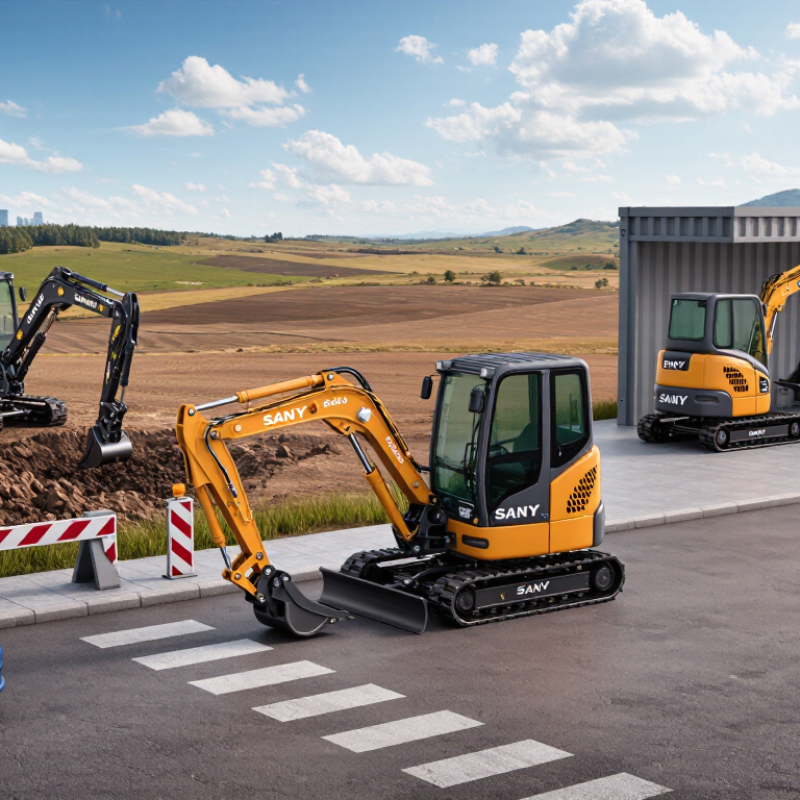
Choosing a Sany Mini Excavator for a global project requires more than comparing purchase prices. Each site presents different ground conditions, transport limits, climate risks, and operator expectations. A compact machine working beside a city road may need a narrow tail swing and low transport weight. A rural construction site may demand stronger digging force, longer reach, and stable performance on uneven soil. The right choice begins with the job, not the brochure.
Practical experience shows that small details often influence productivity. Check the machine’s operating weight, maximum digging depth, bucket options, hydraulic flow, and attachment compatibility. Confirm that the excavator can pass through local access points without repeated repositioning. In hot, dusty regions, cooling capacity and filtration deserve careful attention. In colder areas, starting performance and service fluids matter. They are easy to overlook.
Reliable decisions also require verified information. Review official specifications, maintenance intervals, warranty terms, and local dealer support before ordering. Ask whether trained technicians and genuine parts are available near the project site. A low initial price may become expensive when parts wait for weeks. That risk is real. Still, no single Sany Mini Excavator fits every country or application. Soil reports may be incomplete, productivity estimates may be optimistic, and operator skill can vary. These uncertainties should be recorded rather than ignored. This guide examines the practical factors that help project managers select a suitable model with greater confidence, while leaving room for professional inspection and site-specific judgment.
Sany Mini Excavator Basics and Global Project Requirements
How to Choose a Sany Mini Excavator for Global Projects?
Sany Mini Excavator Basics and Global Project Requirements
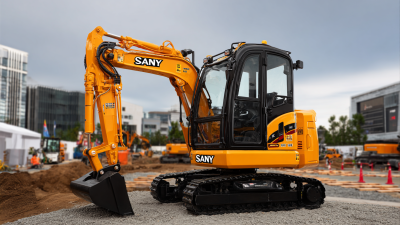
A mini excavator combines a compact frame, hydraulic boom, bucket, tracks, and an engine. Its working range depends on operating weight, boom design, and hydraulic capacity. A 1.8-ton machine may enter narrow gates, but it cannot match a larger unit’s lifting stability. Measure access points carefully. Record doorway width, ground slope, trailer limits, and overhead obstacles.
Global projects add practical demands. Check whether the machine suits clay, gravel, wet soil, or paved surfaces. Rubber tracks reduce surface damage, while steel tracks offer stronger grip on rough ground. Review fuel quality, ambient temperature, dust levels, and service intervals. A cold region may need suitable fluids and battery protection. A hot, dusty site may require more frequent filter cleaning. These details affect uptime.
Attachments should match the work, not the sales brochure. Buckets, breakers, augers, and grapples require compatible hydraulic flow and safe weight limits. Confirm operator controls, emergency functions, noise limits, and required conformity documents for the destination. Local technician access matters as much as machine specifications. Ask for parts availability and clear maintenance instructions in the working language. No checklist catches everything. I have seen access measurements miss a low gate hinge, causing avoidable delays. Recheck the route with the machine’s actual width, attachment, and transport equipment.
Key Specifications to Match With Project Conditions
Project conditions should decide the machine, not the brochure. Begin with operating weight. On soft farmland, lower ground pressure matters more than maximum digging depth. Rubber tracks, wider shoes, and a lighter machine can protect wet surfaces. Yet this trade-off is easy to underestimate. Oxford Economics’ Global Construction Perspectives 2024 forecasts global construction output will grow by 85% by 2037. That growth will span dense cities, remote roads, and climate-exposed sites.
Check rated lift capacity at the actual boom radius, not only near the machine. For trenching, compare digging depth, reach, bucket breakout force, and tail-swing clearance. A compact zero-tail-swing design suits narrow streets, but reduced counterweight can affect lifting stability. Hydraulic flow must match the attachment. A breaker requiring 70 litres per minute will perform poorly on a 45-litre circuit. Small mismatch. Large frustration.
Transport and climate deserve equal attention. The World Bank’s Logistics Performance Index 2023 shows major differences in logistics reliability between countries. Select a machine that fits local trailer limits, port handling, and available service networks. In hot regions, inspect cooling capacity and dust protection. In cold regions, ask about starting systems and hydraulic oil ranges. Emission compliance also matters; the European Commission’s Stage V framework sets strict limits for non-road engines. Field experience suggests buyers often focus on purchase price first. That habit can be wrong. Fuel use, attachment compatibility, downtime, and operator visibility may decide the real project cost. A spreadsheet cannot predict every muddy slope. Test the machine there.
How to Choose a Mini Excavator for Global Projects? - Key Specifications to Match With Project Conditions
Compare representative mini excavator classes by operating weight, maximum digging depth, and transport width. Light-access machines suit restricted urban sites, general-utility machines balance mobility and excavation reach, while heavy-utility machines provide greater digging performance for demanding ground conditions.
Values are representative midpoint specifications for commonly used mini excavator classes. Confirm the final choice against soil conditions, required attachment capacity, transport limits, local regulations, and site access.
Selecting the Right Size, Attachments, and Operating Features
How to Choose a Mini Excavator for Global Projects
Choose operating weight by access, soil, and lifting demand. A 1.8–3.5-ton machine suits narrow streets and landscaping. A 5–8-ton model offers deeper digging and stronger lifting. Check tail swing carefully. One extra meter can damage walls or block a road. Compare maximum digging depth, reach, and transport width against the worksite drawings. For global projects, confirm local transport limits and available service support.
Tips: Match attachments to hydraulic flow, not appearance. A breaker needs high flow and stable pressure. A tilt bucket needs precise auxiliary control. Quick couplers reduce changeover time, but verify pin compatibility. Choose auto-idle, load-sensing hydraulics, and proportional controls for smoother work. Enclosed cabs, climate control, and visibility features matter in harsh climates. ROPS and TOPS protection must meet applicable local standards.
The Associated General Contractors of America’s 2024 Workforce Survey found that 94% of construction firms struggled to fill open positions. Simple controls and telematics can reduce training pressure and improve fleet oversight. EquipmentWatch’s rental-rate data also shows why utilization matters: idle attachments and oversized machines quickly raise project costs. I would not select solely by horsepower. Fuel quality, operator skill, spare parts, and soil conditions can change the best choice. My first specification is often wrong until the site logistics are reviewed.
Comparing Costs, Compliance, and Long-Term Project Value
Choosing a mini excavator for global projects requires more than comparing purchase prices.
The 2023 Global Construction Perspectives report forecasts global construction output could reach $13.3 trillion by 2037. Demand is growing, but project conditions differ sharply. A machine for a humid island may need stronger corrosion protection. A compact urban site may prioritize low noise and transport width.
Compliance directly affects long-term value. The UNEP 2023 Global Status Report states that buildings and construction generated 37% of global energy and process-related carbon emissions. This increases pressure to select efficient engines, verified emissions systems, and lower-noise equipment. Check local certification, engine-stage requirements, operator safety rules, and documentation before shipment. Missing paperwork can delay deployment and increase storage costs. I have seen “cheap” equipment become expensive after retrofit work. That mistake is easy to repeat.
Tips:
Compare total cost of ownership, not the invoice. Request fuel-use data under realistic loads, parts lead times, warranty exclusions, and resale evidence. Calculate transport, attachments, service training, and downtime over five years. ISO 50001 guidance supports measuring energy performance, but field data may be incomplete. Treat estimates carefully. A useful comparison includes hourly fuel cost, expected annual operating hours, maintenance intervals, and local technician availability. One more practical test: inspect hydraulic response after warm-up, not only during a showroom demonstration.
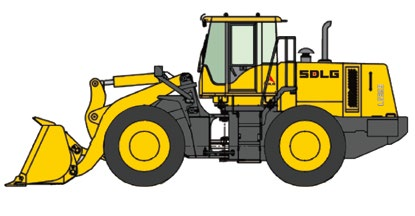 Wheel Loader
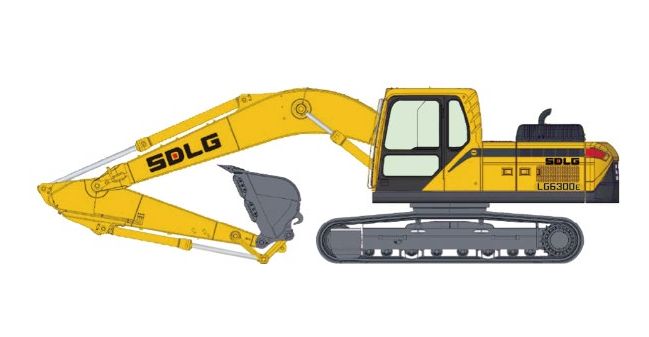 Excavator
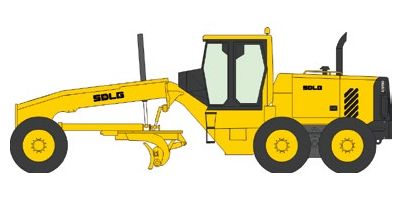 Motor Grader
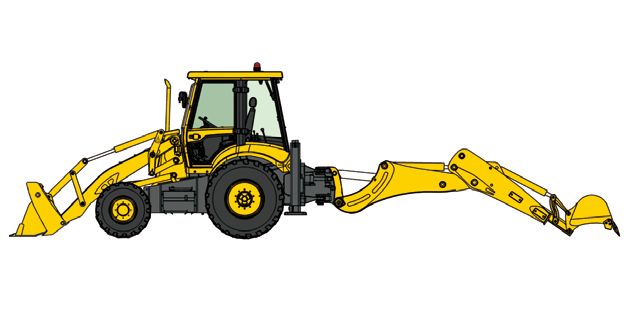 Backhoe Loader
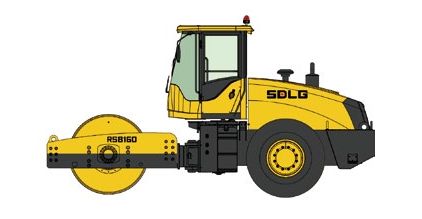 Road Roller
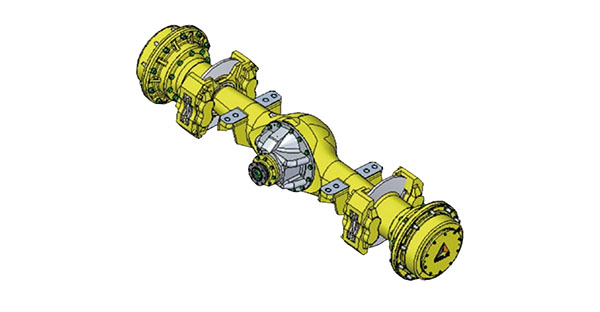 Spare Parts