2026 Top Heavy Equipment Hauling Trends and Innovations?
Heavy equipment hauling is experiencing significant changes in 2026. Innovations in technology and methods enhance efficiency. As industries evolve, so do the demands for transporting heavy machinery. Companies must stay ahead of these trends.
One key development is automation. Automated hauling systems increase safety and reduce labor costs. Additionally, the rise of electric and hybrid vehicles is transforming traditional heavy equipment hauling. These options reduce emissions and are often quieter on job sites. Sustainability is now a driving factor in making equipment choices.
However, the industry faces challenges. The rising cost of materials and equipment is a concern. Companies must adapt to these changes to remain competitive. Heavy equipment hauling is not only about moving items. It's about innovation, sustainability, and adaptation in a rapidly shifting landscape.
Emerging Technologies in Heavy Equipment Hauling for 2026
The heavy equipment hauling industry is on the brink of significant transformation in 2026. Emerging technologies are streamlining operations and enhancing safety. According to industry reports, the global heavy equipment logistics market is projected to reach $5.2 billion by 2026, spurred by advancements in automation and real-time data analytics. Innovative tools, like drones, help monitor loads and ensure safety standards are met.
One notable trend is the integration of IoT devices. These devices collect data on equipment performance, optimizing maintenance routines. This proactive approach can reduce downtime by up to 30%. Companies that adopt IoT technology can experience significant cost savings. However, challenges remain, such as data security concerns and the need for skilled personnel.
Tip: Regularly train your team on new technologies. Stay updated on best practices. Another valuable strategy is to invest in analytics software. This software improves decision-making and operational efficiency. As the industry evolves, organizations must adapt or risk falling behind. Going digital is not just a trend; it’s a necessity for future success.
Innovative Safety Practices in Heavy Equipment Transportation
Innovative safety practices are essential in heavy equipment transportation. As the industry evolves, new methods emerge to enhance safety and efficiency. One trend is the use of advanced telematics systems. These systems provide real-time data on equipment location and condition. They help identify potential issues before they become dangerous.
Training is another crucial aspect. Regular safety training for drivers and crew members ensures everyone knows best practices. Incorporating hands-on simulations can enhance learning. This approach allows workers to practice in real scenarios. It increases their confidence and reduces the chance of accidents.
Tips for improving safety include conducting routine inspections. Regular checks on equipment can catch wear or damage early. Another strategy is to establish clear communication protocols among team members. Ensure everyone is informed about procedures and any changes. Finally, consider implementing a buddy system. Pairing workers can enhance vigilance and foster teamwork. These practices bolster overall safety and efficiency in heavy equipment hauling.
2026 Top Heavy Equipment Hauling Trends and Innovations
| Trend/Innovation |
Description |
Impact |
Adoption Rate (%) |
| Telematics Integration |
Utilizing GPS and IVMS for real-time tracking of heavy equipment. |
Increased operational efficiency and reduced downtime. |
75% |
| Electric Haul Trucks |
Deployment of battery-powered trucks for reduced emissions. |
Lower fuel costs and improved environmental impact. |
50% |
| Automated Hauling Systems |
Use of robotic vehicles to automate transportation processes. |
Enhanced safety and labor cost savings. |
30% |
| Advanced Safety Protocols |
Implementation of stringent safety checks and training workshops. |
Reduction in accidents and improved workforce morale. |
80% |
| Real-time Data Analytics |
Leveraging data for predictive maintenance and operational insights. |
Enhanced decision-making and resource allocation. |
65% |
Sustainability Trends Impacting Heavy Equipment Hauling
The heavy equipment hauling industry is increasingly focusing on sustainability. The global emphasis on reducing carbon footprints drives innovation. According to a report by the International Energy Agency (IEA), heavy-duty vehicles account for nearly 20% of CO2 emissions from road transport. This stark reality propels companies to seek eco-friendly solutions.
One notable trend is the adoption of electric-powered haul trucks. These trucks significantly lower emissions and operational costs over time. A study from McKinsey indicates that electric trucks could reduce lifecycle costs by 15-20%. This shift not only meets regulatory demands but also enhances corporate reputation by appealing to eco-conscious clients.
Tips for making your hauling operations more sustainable include optimizing route planning to minimize fuel consumption. Implementing a telematics system allows for real-time monitoring of vehicle performance, leading to improved efficiency. Additionally, consider training drivers on eco-friendly practices. These steps help create a culture of sustainability while addressing the growing demands for responsible heavy equipment hauling. The journey toward sustainability in heavy equipment hauling is ongoing. It requires effort and continuous reflection on practices and technologies.
Key Market Dynamics Shaping the Future of Heavy Equipment Transport
Heavy equipment transport is evolving. Key market dynamics are driving significant change. One major trend is the increased focus on sustainability. Companies are adopting greener practices. This includes using low-emission vehicles and optimizing routes for fuel efficiency. Such efforts are not only environmentally friendly but can also reduce operational costs.
Technological innovations are also transforming the industry. Advanced tracking systems provide real-time data. This helps logistics managers optimize their fleet. Additionally, automation is becoming more prevalent. While it offers efficiency, it raises questions about workforce impacts. The heavy equipment transport sector must balance these advancements with the need for skilled workers.
Safety standards are another critical factor. Regulations are tightening, pushing companies to invest in safety training and equipment. While this improves worker safety, it can strain smaller businesses with limited resources. The rising costs of compliance may challenge their survival. Stakeholders must find ways to meet safety standards without compromising their bottom line.
Regulatory Changes Influencing Heavy Equipment Hauling Methods in 2026
As we approach 2026, regulatory changes are significantly influencing heavy equipment hauling methods. New federal and state regulations demand stricter compliance for safety and environmental standards. Many companies must adapt their operations accordingly.
Certain states are introducing limits on vehicle sizes and weights, prompting reevaluations of transportation strategies. This shift helps to enhance road safety and reduce wear and tear on infrastructure.
Another key factor is the rise in sustainability regulations. Organizations are increasingly required to reduce their carbon footprints. This has led to increased interest in electric and hybrid heavy equipment. Companies that lag in adopting these innovations may face penalties and lose contracts. Adapting to these regulations necessitates investment and expertise, which can strain resources.
Companies must also navigate the complexities of local zoning laws and permitting processes. These legalities often differ from one jurisdiction to another. Failing to comply can result in costly delays and fines. Therefore, having up-to-date knowledge of regulations is vital. A proactive approach to training and development could be beneficial. Engaging with legal experts on a regular basis will ensure compliance and foster a culture of safety and responsibility.

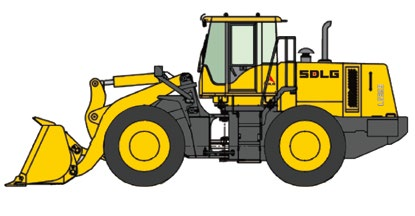 Wheel Loader
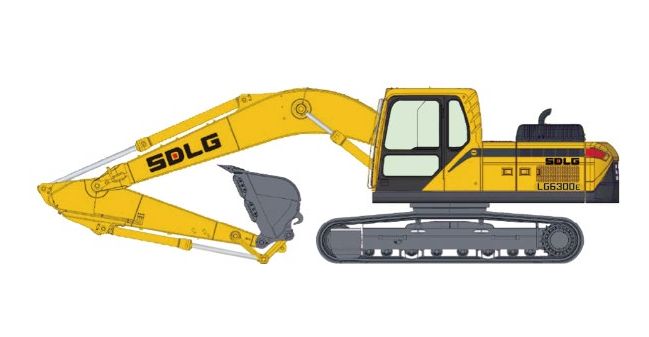 Excavator
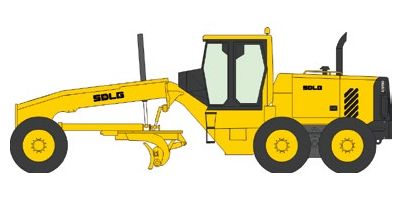 Motor Grader
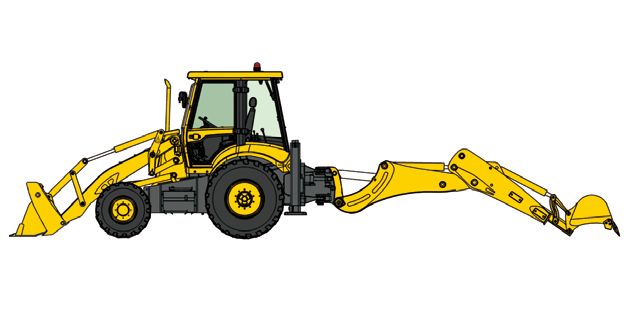 Backhoe Loader
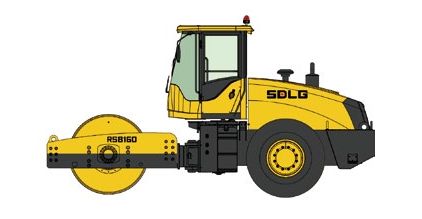 Road Roller
 Spare Parts