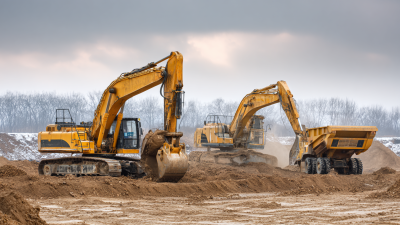
Top Heavy Equipment Suppliers in China for Global Buyers?
China has emerged as a leading hub for Heavy Equipment manufacturing and supply. The global demand for construction and mining machinery has surged, driven by infrastructure projects worldwide. According to the latest report by ResearchAndMarkets, the Heavy Equipment market in China is projected to reach USD 230 billion by 2025. This massive growth reflects not only the volume of production but also the quality of machinery being offered to international buyers.
Industry expert Dr. Wang Li, a prominent figure in the Heavy Equipment sector, notes, "China’s innovations in Heavy Equipment have set new benchmarks for efficiency and durability." This statement highlights the competitive edge that Chinese suppliers have over their global counterparts. However, there is still a perception issue among some buyers regarding reliability and after-sales support. It is vital for global buyers to carefully assess suppliers, weighing the advantages against potential challenges.
The landscape of Heavy Equipment procurement is evolving. Buyers now prioritize not only cost but also sustainability and technological advancement. As the market shifts, understanding these dynamics is crucial for successful partnerships with Chinese suppliers. Addressing these nuances will ultimately enhance the buyer's experience in a complex and fast-paced environment.
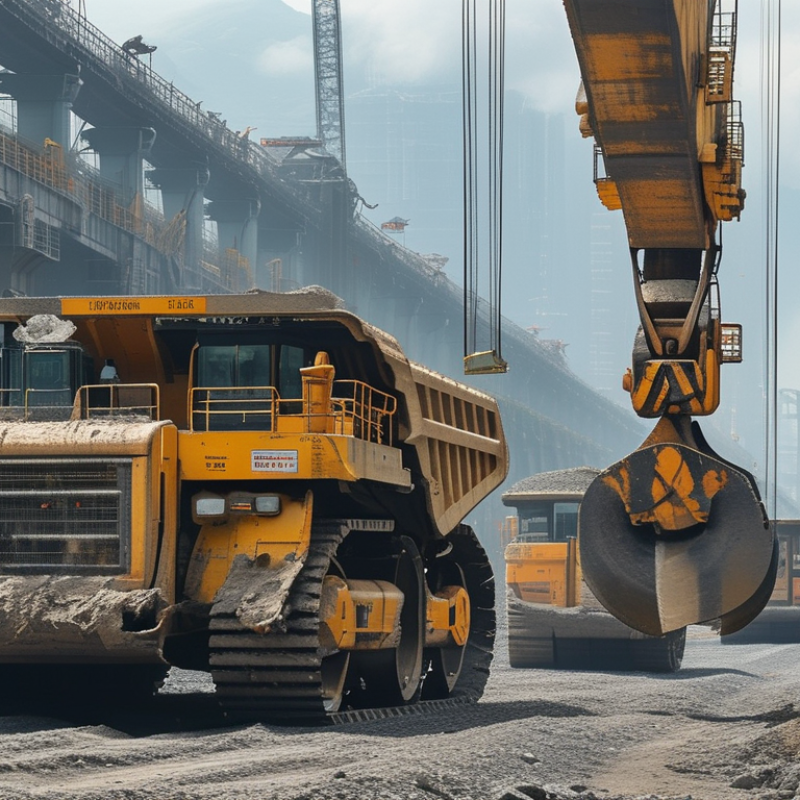
Top Heavy Equipment Suppliers in China: An Overview
China has emerged as a key player in the global heavy equipment market. Its suppliers are known for delivering high-quality machinery across various industries. These companies specialize in construction, mining, and agricultural equipment. Their products often blend advanced technology with competitive pricing, attracting buyers from around the world.
Many suppliers excel in meeting international standards. They focus on innovation and sustainability, ensuring that their machines are not only efficient but also environmentally friendly. For global buyers, understanding the nuances of these suppliers is crucial. The landscape is rich with options, yet not all suppliers maintain the same level of quality and service. Researching the company’s background and customer reviews can provide valuable insights.
When selecting a supplier, consider factors like reliability and support services. Look for those with a solid track record in global markets. It's worth pondering whether a lower price signifies lower quality. Communication plays a big role after a purchase. Effective follow-up can ensure smooth operations and maintenance. Be cautious and stay informed, as this can lead to better long-term partnerships.
Top Heavy Equipment Suppliers in China: An Overview
| Supplier Type |
Annual Revenue (USD) |
Product Range |
Export Markets |
Manufacturing Facilities |
| Excavators |
500 million |
Mini, Standard, Large |
North America, Europe, Asia |
Beijing, Shanghai, Guangzhou |
| Bulldozers |
300 million |
Crawler, Wheel |
Middle East, Africa, Southeast Asia |
Tianjin, Hangzhou |
| Forklifts |
700 million |
Electric, LPG, Diesel |
Worldwide |
Shenzhen, Nanjing |
| Dump Trucks |
600 million |
On-road, Off-road |
South America, Russia |
Wuhan, Xi'an |
Key Factors for Selecting Heavy Equipment Suppliers in China
When selecting heavy equipment suppliers in China, buyers must consider several crucial factors. One essential aspect is the supplier's experience in the industry. A well-established supplier typically demonstrates a solid understanding of market demands. This experience translates to higher product reliability and better after-sales support. Buyers should conduct thorough research into a supplier's history and client testimonials to gauge their reliability.
Quality assurance is another vital element. Suppliers should adhere to international standards. Look for certifications that verify the quality of their equipment. These certifications often reflect a commitment to consistent quality control during production. However, not all suppliers may have recognizable certifications. This can be a red flag, indicating they may cut corners in their manufacturing processes.
Pricing may appear enticing, yet it might not always reflect quality. Sometimes lower prices can lead to compromises on materials or service levels. Buyers should compare multiple suppliers and examine the total cost of ownership. This includes maintenance and downtime costs, which can drastically affect overall project budgets. Ignoring these details can lead to frustrating and costly outcomes.
Profiles of Leading Chinese Heavy Equipment Manufacturers
China has become a significant player in the global heavy equipment market. Many manufacturers focus on various sectors, including construction, mining, and agriculture. Understanding these suppliers is essential for global buyers looking for reliable partners.
Leading companies often prioritize innovation and quality. They invest heavily in research and development to enhance their machinery. Competitive pricing is another advantage that attracts international clients. However, buyers should evaluate suppliers based on their service, warranty, and support systems. It's not always easy to choose a supplier. The rapid growth of the industry can sometimes lead to inconsistencies in quality control.
When selecting a manufacturer, consider their experience in your specific sector. This knowledge can greatly influence the equipment's performance. Look for customer reviews and case studies to understand their reputation. Many suppliers may present attractive offers, but verify their reliability before making commitments. Engage with previous clients to gain insights into their performance and post-sale services.
Evaluating Product Quality and Innovation in Chinese Heavy Equipment
When assessing heavy equipment suppliers in China, product quality and innovation are vital factors. Chinese manufacturers have made significant strides in producing high-quality machinery. Many companies now utilize advanced technology to improve durability and performance. This focus on innovation is evident in their product lines, which often include enhanced safety features and environmentally-friendly designs.
However, not every supplier meets the same standards of excellence. There is a noticeable disparity in product quality across different manufacturers. Some may rely on outdated production methods, leading to inconsistent performance. Buyers must conduct thorough research before making purchases. Evaluating customer reviews and seeking independent assessments can provide insights into a supplier's reputation.
In addition to quality, innovations such as automation and smart technology are becoming prevalent. Many Chinese companies are experimenting with IoT integration to enhance operational efficiency. Yet, the pace of innovation varies widely among suppliers. Some might lag behind due to limited R&D investment. This gap can affect buyers seeking cutting-edge solutions. Therefore, careful selection and continuous evaluation should be a priority for global buyers in the heavy equipment sector.
Navigating Import Regulations for Global Buyers of Chinese Equipment
Navigating the complexities of importing heavy equipment from China requires a keen understanding of regulations. For global buyers, these regulations can vary significantly based on equipment type and end-use. The heavy machinery market in China was valued at approximately $156 billion in 2022, according to industry reports. Yet, engaging with this market means grappling with a myriad of compliance and import duties.
One major concern for buyers is adhering to local safety standards. Many countries have strict regulations which must be met to ensure that imported equipment is safe for use. This includes certifications and inspections that can add both time and costs to the buying process. Data suggests that about 30% of equipment imports face delays due to non-compliance with local regulations. It is crucial for buyers to have thorough knowledge of these compliance standards before initiating any purchase.
Additionally, tariffs can greatly affect the final cost. Recent studies indicate that average tariffs on heavy machinery can reach as high as 15% in some regions. This means that the price of equipment is not just what is seen on the invoice. Buyers should consider these hidden costs when planning their budgets. Connecting with logistics experts can help navigate these financial challenges. Understanding the intricate details of import regulations is essential for a successful procurement strategy.
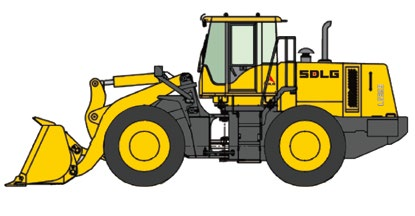 Wheel Loader
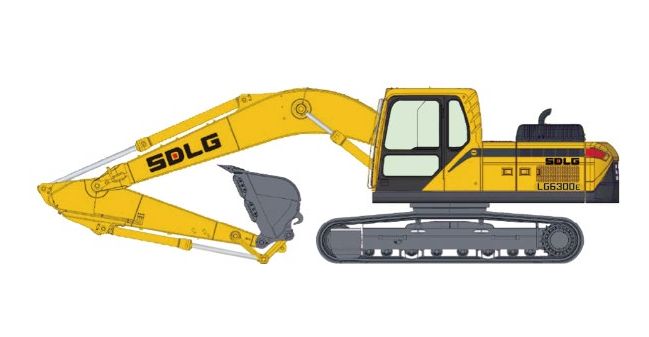 Excavator
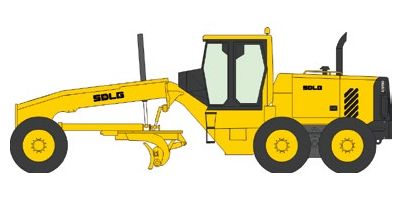 Motor Grader
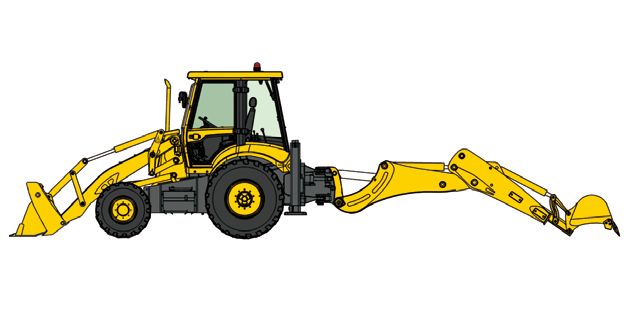 Backhoe Loader
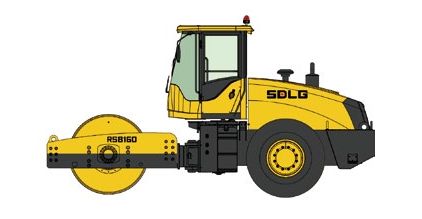 Road Roller
 Spare Parts