Top Earth Moving Equipment Trends for 2026 What Buyers Need to Know
As the construction industry evolves, Earth Moving Equipment trends are constantly shifting. Buyers must stay informed about technological advancements and changing demands. The year 2026 will bring new challenges and opportunities for those in the market.
Emerging technologies, such as automation and electric machinery, are revolutionizing Earth Moving Equipment. These innovations promise better efficiency and lower environmental impact. However, the transition to newer models may pose financial risks for some buyers. Making informed decisions is crucial.
Understanding market dynamics is essential for prospective buyers. It is vital to consider factors like equipment lifespan, maintenance costs, and resale value. Balancing modern features with budget constraints can lead to a more sustainable investment. Keeping an adaptable mindset will pave the way for smarter purchasing in the coming years.
Emerging Technologies in Earth Moving Equipment for 2026
The earth moving equipment industry is rapidly evolving. Emerging technologies are reshaping how we approach construction and excavation tasks. One significant trend is the integration of automation and robotics. These machines can perform complex tasks with precision. They reduce labor costs and enhance productivity. However, the reliance on automation can create challenges. Not all operators are trained for these advanced systems.
Another important development is the use of electric and hybrid machinery. These options reduce carbon emissions and fuel costs. The shift towards sustainable solutions is essential in today’s environmentally conscious world. Yet, the initial investment for these technologies can be high. Buyers should weigh the long-term savings against upfront costs.
Finally, data analytics and telematics are becoming vital in equipment management. Real-time data helps monitor machine performance and maintenance needs. This increases efficiency and reduces downtime. However, implementing these systems requires a learning curve. Construction companies must adapt to new workflows and technologies. Embracing these changes can lead to better decision-making and improved project outcomes.
Top Earth Moving Equipment Trends for 2026
This chart illustrates the projected adoption rates of different emerging technologies in earth moving equipment by 2026. The data reflects the increasing emphasis on sustainable and efficient machinery in the construction industry.
Sustainability Trends Impacting Earth Moving Machinery Purchases
Sustainability is reshaping the earth moving equipment landscape as we approach 2026. Many buyers now prioritize environmentally friendly machinery in their purchasing decisions. According to recent industry reports, the global demand for sustainable construction equipment is projected to grow by 24% annually over the next five years. This shift reflects a broader trend towards responsible construction practices.
Emissions reduction and energy efficiency are at the forefront of new machinery designs. Electric and hybrid models are becoming prominent, helping reduce carbon footprints on job sites. The market for electric earth moving equipment alone is expected to reach $8 billion by 2026. However, buyers should be cautious. While electric models promise sustainability, they may have limited power for heavy-duty tasks.
In addition, consider features like recyclability or use of sustainable materials in machinery. Reports indicate that machines designed with end-of-life recyclability can lead to significant cost savings in the long run. Investing in such equipment might not always yield immediate returns, but the long-term benefits can be substantial. Evaluate your operational needs. Are you ready for this transition? Embracing sustainability means more than just compliance; it’s a way to future-proof your operations.
Key Features Buyers Should Look for in 2026 Equipment Models
As the earth moving equipment sector evolves, certain features become vital for buyers in 2026. Enhanced fuel efficiency stands at the forefront. According to industry reports, advanced machinery can reduce fuel consumption by up to 30%. This improvement not only cuts costs but also meets growing environmental standards. Buyers should assess models that prioritize sustainable operation, helping them adhere to strict compliance regulations.
Another key aspect is automation. Machinery equipped with smart technology can significantly boost productivity. Features like AI-driven excavation and real-time data analytics are becoming the norm. A recent study indicates that automated equipment can increase job site efficiency by approximately 25%. However, not all machines perform equally. Buyers must scrutinize the operational reliability and the availability of training to fully leverage these capabilities.
Safety features are also essential. Equipment with advanced safety systems can minimize accidents on construction sites. Statistics show that sites using machinery with enhanced safety protocols experience 40% fewer incidents. Nevertheless, evaluating the practicality of these features in real-world situations is crucial. Some buyers may find that features promised on paper do not translate effectively onsite, necessitating a critical approach to decision-making.
Market Analysis: Demand and Supply Dynamics in Earth Moving Equipment
The earth-moving equipment market is evolving rapidly. Demand for advanced machinery continues to grow. Factors like urbanization and infrastructure development drive this demand. Buyers must navigate supply chain uncertainties and fluctuating material costs. Understanding these dynamics is crucial for making informed purchasing decisions.
Sustainability trends are reshaping the equipment landscape. Buyers increasingly seek eco-friendly options. Electric machinery is gaining traction due to its lower carbon footprint. However, adoption rates vary widely across regions. This disparity poses challenges for buyers aiming to align with environmental goals.
As technology advances, equipment features become more complex. Automation and smart technologies are on the rise. While these innovations offer efficiency, they also introduce training challenges. Buyers need to weigh the initial investment against long-term benefits. It's essential to assess both current needs and future expectations to optimize equipment choices.
Future Maintenance and Support Services for Earth Moving Equipment
As the demand for earth moving equipment continues to grow, maintenance and support services will become increasingly critical. Buyers need to understand that regular upkeep is essential for maximizing the lifespan of their machinery. Scheduled maintenance should be a priority. It helps in identifying potential issues before they escalate.
While many equipment owners might underestimate the importance of timely repairs, neglect can lead to higher long-term costs. Operators should track wear and tear closely. Simple tasks, like checking fluid levels and inspecting wear parts, can prevent major breakdowns. Additionally, access to quality support services is vital. Not all providers offer the same level of expertise. Make informed choices based on their reputation and reliability.
Investing in training for operators can yield significant returns. Educated staff are more adept at recognizing early signs of failure. They can also perform basic maintenance, which can alleviate the pressure on external service providers. However, it's important to assess your team’s capabilities regularly. Remember, proper maintenance goes beyond just fixing what's broken; it’s about ensuring optimal performance continually.

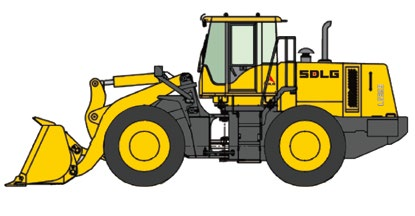 Wheel Loader
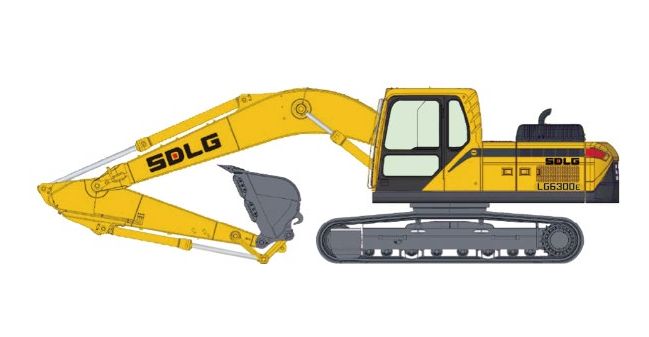 Excavator
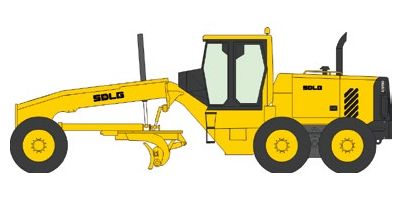 Motor Grader
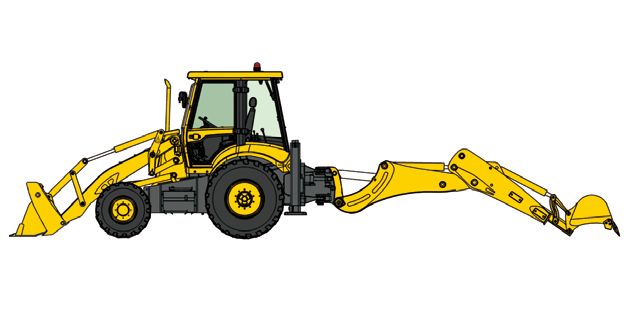 Backhoe Loader
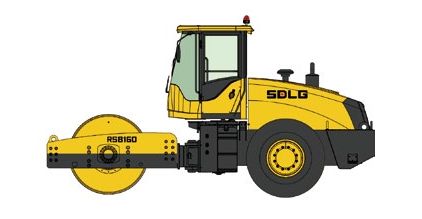 Road Roller
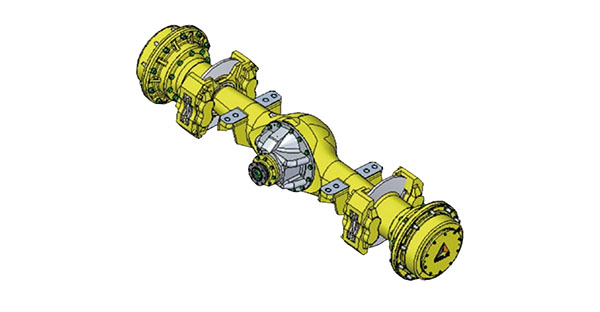 Spare Parts