 Wheel Loader
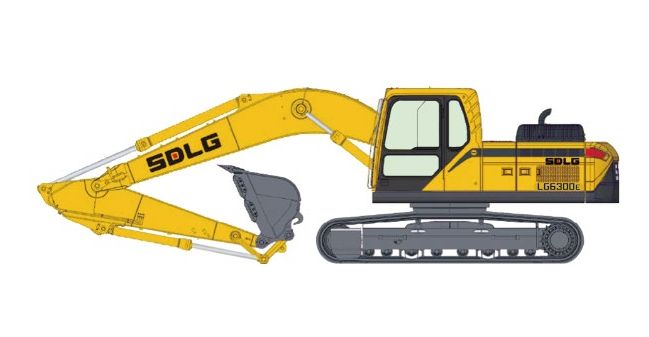 Excavator
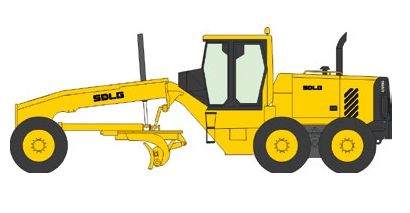 Motor Grader
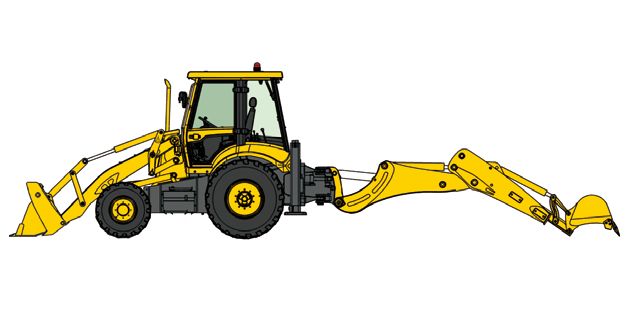 Backhoe Loader
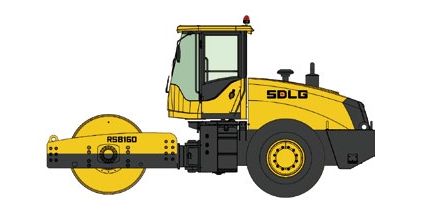 Road Roller
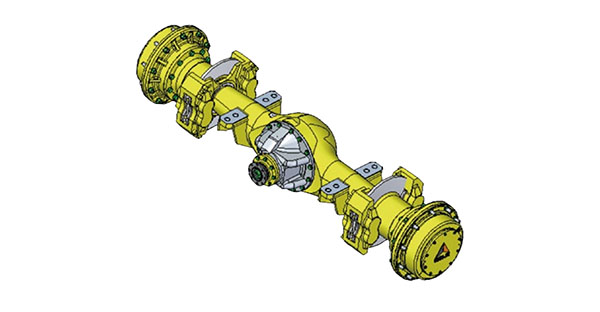 Spare Parts
Leave Your Message
Choosing a reliable Heavy Equipment Operator supplier in China takes more than comparing machine prices. Buyers may need excavators, wheel loaders, cranes, replacement parts, operator training, or dependable service after delivery. The right provider should fit the worksite, project schedule, and maintenance capacity—not just offer an attractive quotation.
This guide introduces ten suppliers for closer evaluation. It considers practical factors such as product range, manufacturing experience, technical documentation, parts availability, and responsiveness to customer questions. A supplier’s published specifications are useful, but they do not tell the whole story. Ask how service requests are handled, which components are available locally, and what support is included after purchase. Small details matter. A clear parts list can save time when a machine is down.
The list is a starting point, not a universal ranking. Supplier capabilities and service coverage can vary by product, region, and project requirements. Some information may also change, so confirm current specifications and terms directly with each company. That extra step is easy to overlook. It can prevent costly assumptions.
Whether you are sourcing equipment for construction, mining, roadwork, or material handling, compare suppliers against the actual demands of your site. Consider ground conditions, daily operating hours, transport limits, and the experience of the intended operators. No shortlist can replace careful due diligence. Use this overview to identify promising options, then verify the details before making a decision.
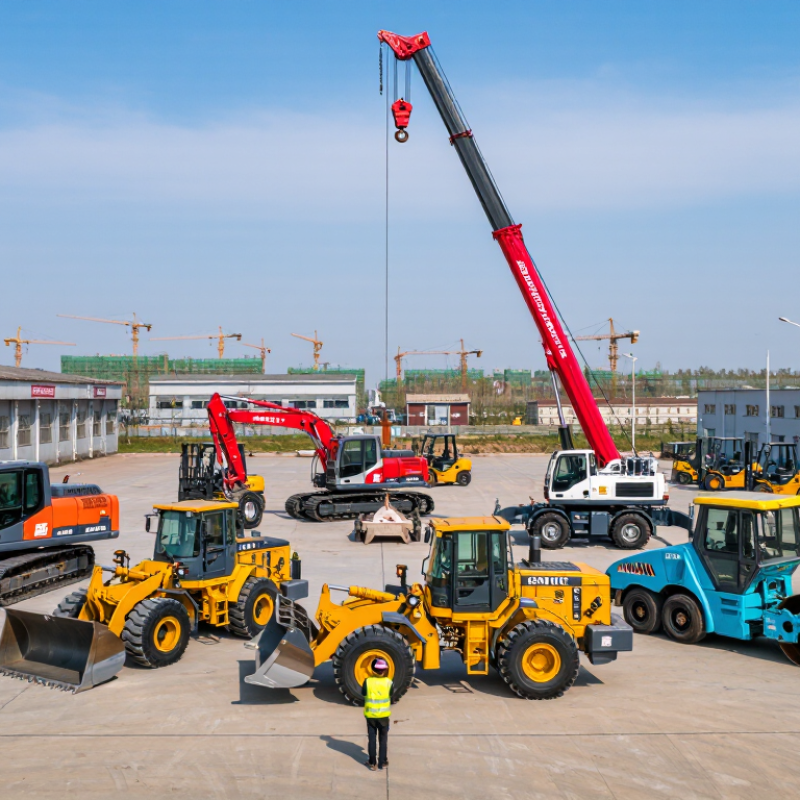
What Heavy Equipment Operator Suppliers Provide
Heavy equipment operator suppliers do more than fill a seat in a cab. They may recruit operators, check work histories, assess machine-specific skills, and arrange practical training. A useful assessment watches real tasks: tracking an excavator along a marked trench, reversing a loader, or positioning a crane load under a signaler’s direction. Suppliers can also coordinate shift coverage and provide attendance or competency records. Buyers should ask how skills are verified, not just whether a certificate is available. Paperwork alone cannot show how someone reacts on a crowded site.
Training and workforce planning matter because demand changes with construction activity. The U.S. Bureau of Labor Statistics’ 2023–2033 projections estimate 4% employment growth for construction equipment operators. That figure is U.S.-specific, so it should not be treated as a direct forecast for China. Still, it signals ongoing replacement and hiring needs. Good suppliers match operator experience to machine type, site conditions, and project schedules, then arrange refresher training when equipment or tasks change. That matters. Their support may include safety briefings, work-hour coordination, and feedback after placement. Not always. Buyers should confirm who handles follow-up and what happens when an operator’s practical performance falls short; this detail is easy to overlook.
The entries below describe ten common supplier types and service categories available in China. They are not ranked companies; availability and scope vary by location, project, equipment, and contract.
| Supplier Type | Typical Equipment | What the Supplier Provides | Common Applications | Operator and Support Considerations |
|---|---|---|---|---|
| Excavator rental providers | Hydraulic excavators in different size classes | Short- or long-term equipment rental, with operator arrangements depending on the contract | Earthmoving, trenching, demolition, and site preparation | Confirm machine size, attachments, operator qualifications, mobilization, and maintenance responsibilities. |
| Crane rental and lifting service providers | Mobile cranes, crawler cranes, and truck-mounted cranes | Lifting equipment, and in many service arrangements, a crane operator and lift-planning support | Construction lifts, plant installation, and infrastructure work | Check rated capacity, lift radius, ground conditions, permits, rigging scope, and operator credentials. |
| Earthmoving fleet contractors | Bulldozers, motor graders, and wheel loaders | Equipment and, where agreed, operators for bulk earthworks or production tasks | Road building, land development, and large construction sites | Specify production targets, working hours, fuel arrangements, site access, and equipment downtime terms. |
| Road construction equipment providers | Asphalt pavers, rollers, and road milling machines | Equipment rental or contracting services for paving and compaction operations | Highways, municipal roads, and pavement rehabilitation | Confirm crew size, paving width, material coordination, shift coverage, and maintenance response. |
| Concrete equipment service providers | Concrete pump trucks, placing booms, and batching equipment | Equipment, setup, and operational support; staffing depends on the service agreement | Building construction, foundations, and infrastructure pours | Review reach, output requirements, access conditions, cleaning arrangements, and placement crew duties. |
| Aerial work platform providers | Scissor lifts and boom lifts | Access equipment rental, delivery, and sometimes familiarization or operator services | Building maintenance, installation, and elevated construction work | Verify working height, platform capacity, surface suitability, fall-protection requirements, and training needs. |
| Forklift and material-handling providers | Counterbalance forklifts, reach trucks, and telehandlers | Equipment rental or handling services for moving and placing loads | Warehouses, factories, construction sites, and logistics yards | Match capacity and lift height to the load; confirm attachment needs, operator authorization, and site rules. |
| Port and terminal equipment contractors | Reach stackers, container handlers, and terminal tractors | Specialized equipment operation or equipment support for cargo-handling operations | Ports, container yards, and intermodal terminals | Check load limits, terminal safety procedures, shift coverage, and site-specific operator induction. |
| Mining and quarry equipment contractors | Large excavators, haul trucks, and wheel loaders | Equipment leasing, fleet support, or contracted operation, subject to project scope | Quarries, mines, and bulk-material operations | Assess site safety systems, terrain, duty cycles, maintenance coverage, and required operator experience. |
| Heavy equipment staffing and training providers | Operators for cranes, earthmoving machines, lifting platforms, or forklifts | Recruitment, labor dispatch, skills training, or operator placement; services differ by provider and applicable rules | Projects that need qualified operators without sourcing a full equipment fleet | Validate current qualifications, machine-specific experience, employment arrangements, insurance, and safety responsibilities. |
Before contracting, confirm whether the quotation covers equipment only or includes an operator, transport, fuel, maintenance, insurance, training, and any required permits. Operator qualifications and regulatory requirements depend on the equipment and the work being performed.