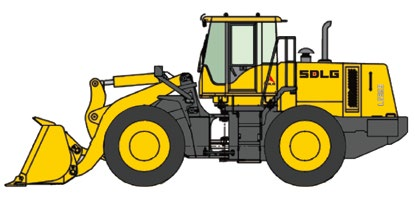
 Wheel Loader
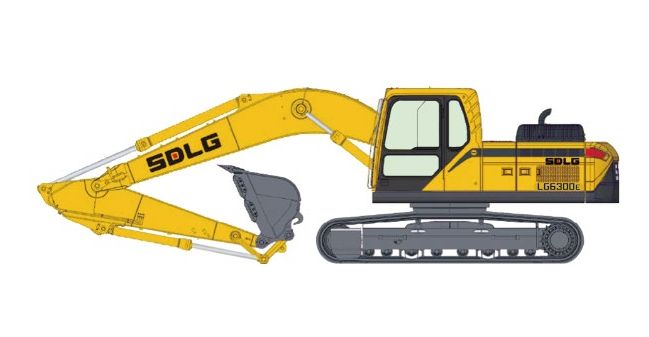 Excavator
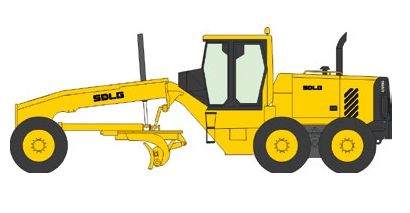 Motor Grader
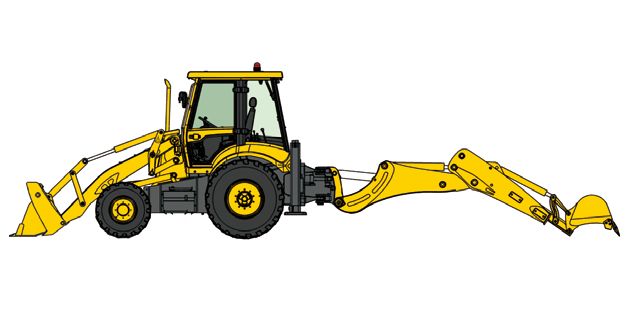 Backhoe Loader
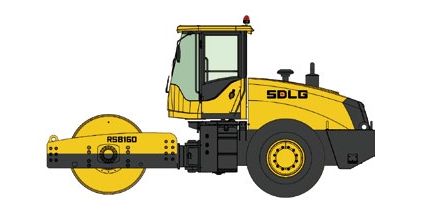 Road Roller
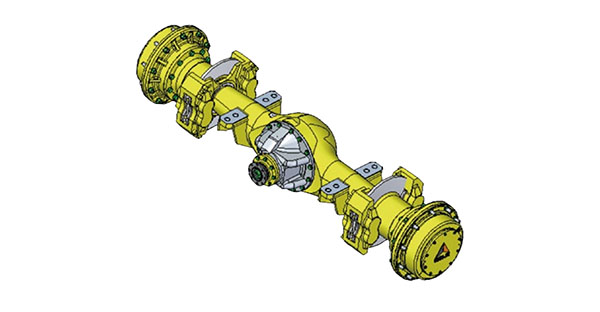 Spare Parts
Leave Your Message
Buying Sany Heavy Equipment is a major business decision, not just a model comparison. The right machine must match your workload, site conditions, operator skills, and service access. A crawler excavator working in wet clay faces different demands from a wheel loader moving aggregate across a paved yard. Small mismatches can raise fuel, maintenance, and downtime costs.
Industry reports offer useful context, but they cannot choose a machine for your site. Deloitte’s 2024 Engineering and Construction Industry Outlook discusses persistent labor pressures and growing interest in digital tools. Those trends make operator comfort, machine monitoring, and dependable support worth assessing alongside purchase price. The Association of Equipment Manufacturers’ market outlooks also track changing demand across equipment sectors, reminding buyers that availability and delivery timing can shift. Check locally. A national trend does not guarantee local stock.
This guide explains how to define requirements, compare SANY models, and assess dealers, financing, warranties, and parts support. Use manufacturer specifications as a starting point, then confirm capacity and compatibility against your actual attachments, materials, and operating hours. Ask for a written service plan and a clear breakdown of ownership costs. Request a demonstration under realistic working conditions, if available. That matters. A brochure cannot show how a machine handles your steep access road or a long shift in summer heat. And no forecast replaces a careful site review. Before committing, verify current specifications and terms directly with SANY or an authorized dealer; details can vary by model and market.
Before comparing machines, define the work they will perform on a typical day. What must they lift? Record the heaviest expected load, including attachments and material that may cling to a bucket. Then note the usual load, not just the rare maximum. A machine sized only for peak demand may cost more and feel awkward during routine tasks.
Measure reach at the actual working position. For lifting, check the required height and horizontal distance together; capacity can change as the load moves farther from the machine. Mark loading points, stockpiles, and truck sides on a simple site sketch. Small details matter. A few extra feet can change the machine class or attachment choice.
Duty cycle describes how often and how hard the equipment works. Estimate operating hours per shift, cycles per hour, shift length, and likely idle time. Note slopes, soft ground, dust, and repeated travel, since these conditions affect wear and productivity. A long day changes everything. Compare a normal week with your busiest one, then ask operators to review the figures. Their estimates may be imperfect, and mine would be too without a site visit. Keep the assumptions visible so you can revise them before choosing equipment.
Use these generalized planning examples to define the work before comparing equipment. Actual capacity and working range depend on machine configuration, attachments, material, ground conditions, and operating procedures; confirm them against the selected machine’s specifications.
| Job profile | Payload requirement | Reach or working envelope | Duty-cycle planning | What to verify before buying |
|---|---|---|---|---|
| Hauling over rough ground | Plan around the required net load per trip; 20–40 metric tonnes is a useful comparison range for many articulated dump-truck applications. | Reach is usually secondary. Check loading height, turning space, haul-road width, gradients, and dump clearance. | Estimate loaded and empty travel time, queueing, tipping time, and operating hours per shift. Repeated loaded cycles increase the importance of traction and braking suitability. | Match rated payload to the material’s density and body volume. Check gradeability, site access, tire suitability, and the loading machine’s ability to fill the body efficiently. |
| Loading stockpiles into trucks | Define the target tonnes per bucket pass. A broad planning range for medium-to-large loader work is approximately 2–8 tonnes per pass, subject to bucket size and material density. | Check dump height and forward reach at the required lift height, including clearance over the truck sideboards. | Count loading cycles per hour and hours per day. Continuous, repetitive truck loading calls for attention to cooling, visibility, tire wear, and service intervals. | Confirm bucket capacity for the material, rated operating capacity, full-turn cycle performance, and compatibility with the truck fleet and stockpile layout. |
| Trenching and general excavation | Calculate bucket payload from bucket volume and the expected material density; allow for variation between loose, damp, and compacted material. | For many general excavation tasks, compare digging depths around 4–7 m and horizontal digging reach around 6–10 m; required values vary with machine size and boom/stick configuration. | Record digging hours, material hardness, swing angle, and truck-loading frequency. Longer repetitive cycles make attachment choice and maintenance access more important. | Check digging force, lift capacity at the actual working radius, bucket and coupler compatibility, undercarriage suitability, and safe clearance from trench edges. |
| Placing materials at height or over obstacles | Specify the heaviest load, including attachment weight. A nominal capacity of roughly 2.5–5 tonnes may be relevant for some telehandler applications, but usable capacity depends on load position. | Compare required lift height and horizontal reach with the load chart. Common maximum reach ranges vary widely, approximately 6–17 m across machine types; capacity generally decreases as reach increases. | Estimate lifts per hour, travel distance with a load, and hours per shift. Frequent lifting at extended reach requires careful control of setup and operating conditions. | Verify capacity at the exact height and reach, attachment approval, ground bearing conditions, stabilizer requirements, and the applicable load chart. |
| Repeated material handling in a confined site | Set the required payload per cycle and daily tonnage; consider both the load carried and the number of cycles needed to meet production targets. | Measure aisle width, turning radius, overhead limits, loading height, and clearance around the work area rather than relying on maximum reach alone. | Document operating hours per day, shifts per week, idle time, and peak workload. High daily utilization makes uptime, planned maintenance, and parts availability key considerations. | Compare the machine’s dimensions and cycle performance with the site layout. Include operator visibility, access for servicing, and expected transport requirements. |
Planning note: Treat the ranges above as screening references, not guaranteed ratings. Confirm the required payload at the actual reach or lift height, then assess productivity using the full work cycle and expected operating hours.