How to Purchase Sany Equipment for Global Procurement?
Purchasing Sany Equipment for global procurement can be a complex journey. Understanding the specifics of this process is essential. Sany Equipment, known for its high quality, provides a vast range of machinery. When considering your options, focus on the equipment types you need. This helps narrow down choices significantly.
Research is crucial in making an informed decision. Familiarize yourself with the specifications and features of Sany Equipment. Engage with expert reviews and testimonials. This ensures reliability in your purchase. Additionally, it’s valuable to connect with experienced professionals in the field. Their insights can illuminate potential pitfalls that may arise.
Managing procurement challenges requires patience and foresight. Supply chain issues and fluctuating prices may occur. Always seek multiple quotes to ensure fair pricing. Assessing local distributors can offer added benefits. However, don't overlook the long-term maintenance costs associated with Sany Equipment. Balancing immediate needs with future expenses is critical for successful procurement.
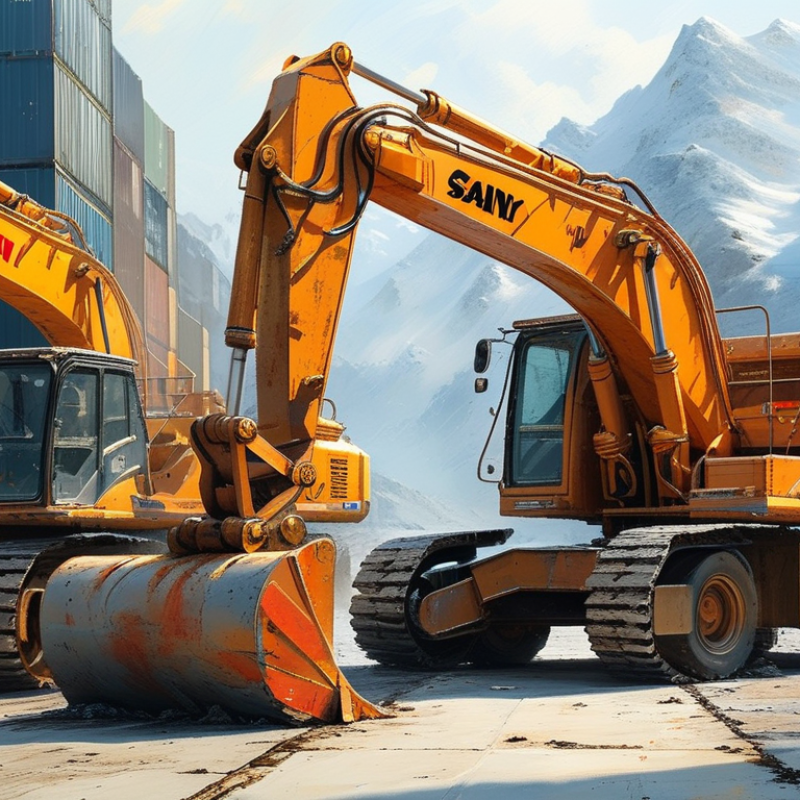
Understanding Sany Equipment and Its Global Reach
Sany equipment plays a significant role in global construction and manufacturing sectors. Its range includes
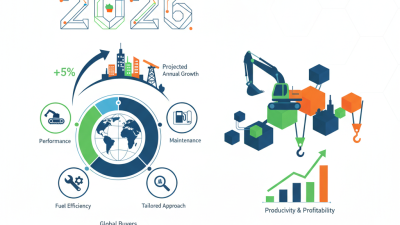
excavators, cranes, and concrete machinery. These products are designed to meet varied operational demands. According to a recent industry report, the construction machinery market is expected to grow by 5% annually, signaling high demand for reliable equipment.
Global reach is essential for Sany equipment. The company exports to over 150 countries. This extensive market presence helps it adapt to diverse regional needs. Many regions now require eco-friendly machinery. Equipment that meets these standards is increasingly necessary. Nearly 70% of construction firms want sustainability-focused options.
While Sany equipment offers advanced features, challenges exist.
Adapting to local regulations can be tricky. Additionally, some regions may lack adequate service centers. Furthermore, logistics can complicate timely delivery. Understanding these factors is vital for a successful procurement strategy.
Identifying Your Procurement Needs for Sany Equipment
Identifying your procurement needs for construction equipment requires careful evaluation. Start by analyzing the specific projects you plan to undertake. Understand the equipment types needed for various tasks like excavation, lifting, or transportation. According to a report by MarketsandMarkets, the global construction equipment market is projected to reach over $200 billion by 2025. This growth reflects rising demand in developing regions.
Additionally, consider the equipment's technical specifications. Evaluate factors such as load capacity, operational efficiency, and fuel consumption. Industry analysis suggests that equipment with higher fuel efficiency can save up to 25% on operating costs. This emphasizes the importance of selecting machines that align with your long-term operational goals. However, don’t overlook the potential hidden costs, like maintenance or downtime.
Lastly, assess your budget limitations. Ensure a clear understanding of how much you can invest in equipment. A recent survey indicates that around 35% of companies underestimate maintenance costs. This oversight can lead to financial stress later. By being meticulous in your identification process, you can pave the way for more informed purchasing decisions.
Exploring Authorized Sany Dealers and Distributors Worldwide
When considering purchasing equipment globally, identifying authorized dealers is critical. These dealers ensure you receive quality products. They also provide essential support. Reliable dealers offer insight into both local and international markets. Partnering with them helps navigate procurement challenges.
Authorized dealers bring local expertise. They understand regional regulations and customer needs. This is vital for smooth transactions. However, not all dealers maintain the same standards. Some may overpromise while underdelivering. Researching and verifying credentials can avoid pitfalls. Seek testimonials or reviews for credibility.
Global procurement can be tricky. Time zone differences and language barriers complicate communication. Some dealers may lack responsiveness. This can delay purchases and affect timelines. Establishing direct contact helps build a rapport. Consider visiting dealerships to assess their operations firsthand. In-person interactions can foster trust. This is essential when making significant investments.
Evaluating Payment Options and Financing for Sany Equipment
When considering how to finance equipment purchases, evaluating payment options is crucial. Many buyers overlook the impact of payment terms on their overall budget. Understanding different financing methods can pave the way for smarter investment. Common choices include leasing, loans, and financing through distributors. Each option has unique benefits and drawbacks that need careful consideration.
Leasing equipment can minimize initial costs. However, it may lead to higher long-term expenses. On the other hand, loans allow ownership but require a solid payment plan. Many companies offer tailored financing solutions. It's vital to compare interest rates and repayment terms. Some businesses may find that their cash flow is strained by rigid payment schedules. Being flexible with terms can alleviate financial pressure.
Reflect on your business's specific needs. Consider how often you'll use the equipment. A poor financing decision can affect operational efficiency. Seek expert advice if you're unsure. An experienced financial consultant can offer insights tailored to your situation. Evaluating these aspects leads to a more informed purchase decision.
How to Purchase Sany Equipment for Global Procurement?
| Payment Option |
Description |
Advantages |
Disadvantages |
| Bank Transfer |
Direct transfer of funds from buyer's bank to seller's |
Secure, widely accepted, lower fees |
Processing time, potential for international fees |
| Credit Card |
Payment via credit card transaction |
Fast processing, rewards points |
High fees, credit limits |
| Letter of Credit |
A guarantee by the bank of the buyer that payment will be made |
Safe for both parties, reduces risk |
Costly fees, complex process |
| Financing Options |
Loans or lease agreements for purchasing equipment |
Low upfront cost, can preserve cash flow |
Interest costs, commitment over time |
| PayPal |
Online payment system that allows transactions via email |
Convenient, buyer protection |
Fees can add up, limited to certain purchases |
Navigating Shipping and Delivery Logistics for International Orders
Navigating shipping and delivery logistics for international orders can be complex. Understanding customs regulations and tariffs in your destination country is essential. Each country has unique requirements that can affect delivery times and costs. Research is crucial to avoid unexpected delays.
Tips: Always check the latest import guidelines. Communicate with your local customs office. Keep track of changes in international trade regulations.
When planning logistics, consider the mode of transportation. Airfreight is faster but more expensive. Ocean freight is cost-effective but takes longer. Balancing speed and cost is vital. Evaluate your project needs before deciding.
Tips: Get multiple quotes from shipping companies. Look for a provider that offers tracking services. This enhances transparency and helps in managing expectations.
Delays can occur. Partner with reliable logistics teams that can offer solutions. Ensure your equipment is properly packaged to withstand the journey. Missing documentation can lead to significant setbacks. Always double-check before shipment.

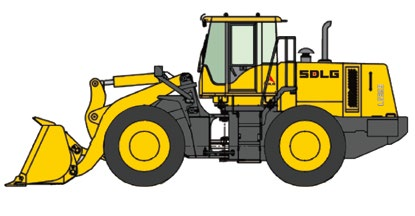 Wheel Loader
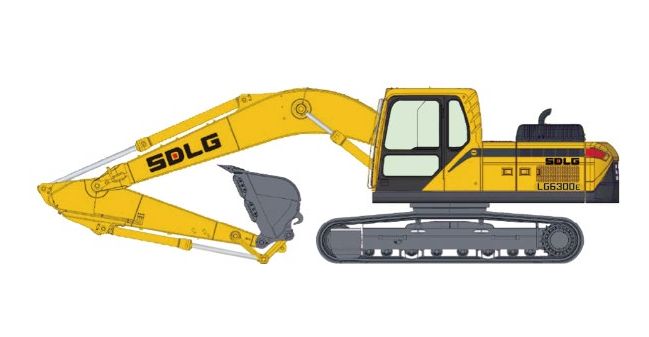 Excavator
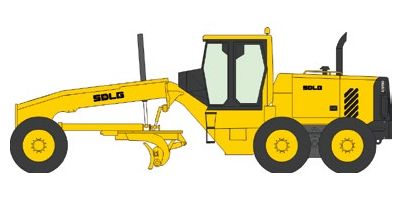 Motor Grader
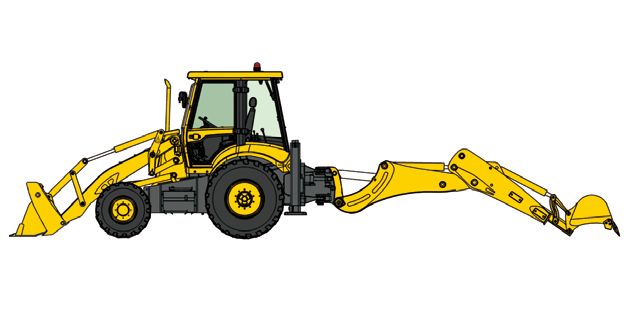 Backhoe Loader
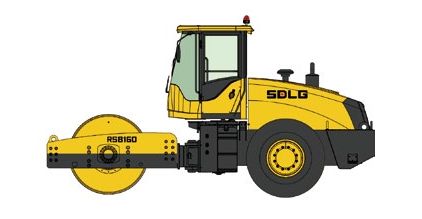 Road Roller
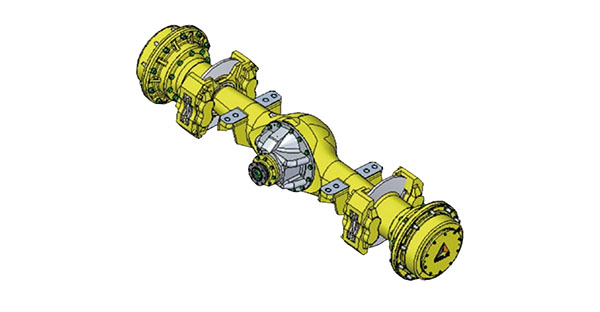 Spare Parts