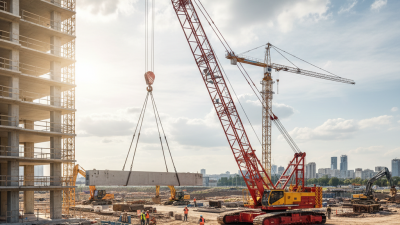
What is the Best Crawler Crane for Your Project Needs?
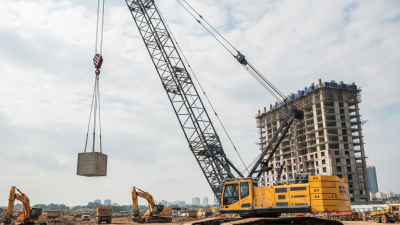
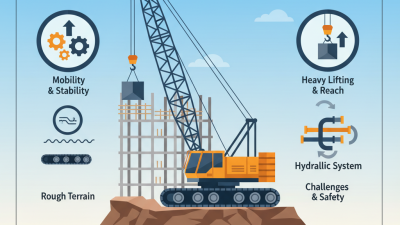
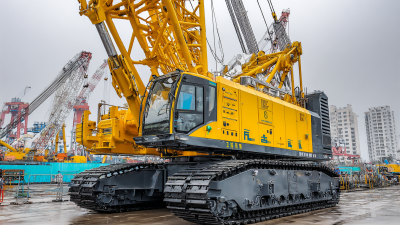
When embarking on a construction project, selecting the right equipment is crucial. Among the essential machines, a Crawler Crane stands out due to its versatility and efficiency. These cranes can easily navigate tough terrain, thanks to their unique tracks. They provide stability and mobility, essential when lifting heavy loads.
Choosing the best Crawler Crane for your project requires a deep understanding of your specific needs. Consider factors such as weight capacity, height, and reach. Each project is unique, and one size does not fit all. Familiarize yourself with different models, as they come with distinct features and capabilities. Pay attention to their limitations too.
Consulting with experts can enhance your decision-making process. Gather insights from those who have hands-on experience. They can offer valuable advice on performance and reliability. It's vital to consider the manufacturer's reputation and service options. This ensures that your chosen Crawler Crane meets your project demands successfully.
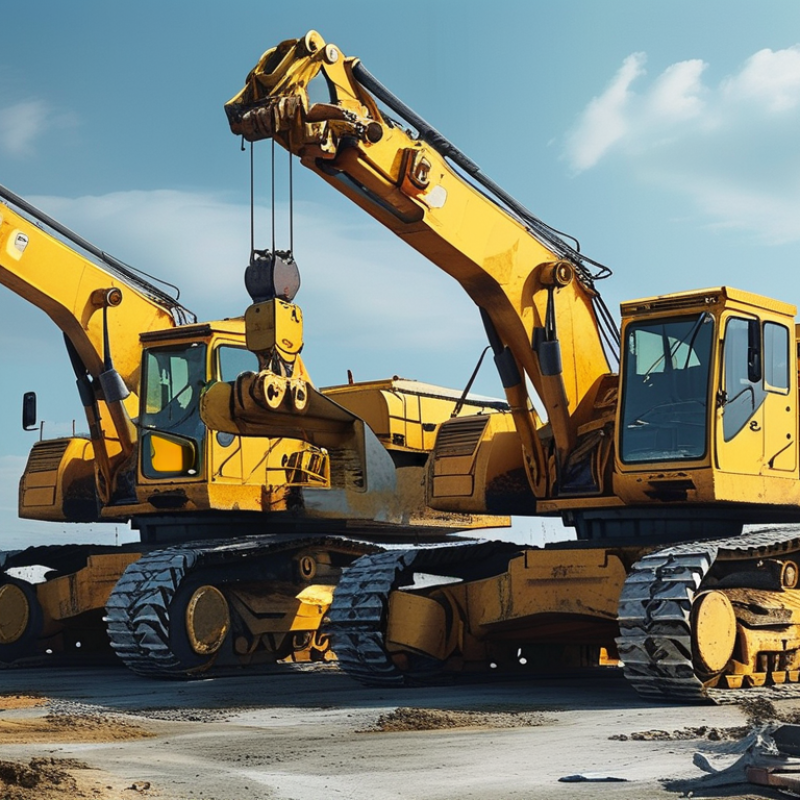
Factors to Consider When Choosing a Crawler Crane
Choosing the right crawler crane for your project involves several key factors. The lifting capacity is crucial. Reports show that most crawler cranes range from 50 to 3,000 tons. Understanding your project's weight requirements helps narrow your options. A crane with inadequate capacity can lead to safety risks or project delays.
Mobility and terrain type also play significant roles. Crawler cranes are designed for various ground conditions, from soft soil to rocky surfaces. Studies show that cranes with wider tracks provide better stability on uneven terrain. This aspect is often overlooked but can greatly affect operational efficiency.
Additionally, consider the boom length and reach. A crane’s boom significantly impacts its ability to lift materials at various heights and distances. Longer booms can handle taller structures but may require more setup time. A balance between boom length and project needs is essential for effective operations. Mistakes in this area can lead to unanticipated costs and resource allocation issues.
What is the Best Crawler Crane for Your Project Needs? - Factors to Consider When Choosing a Crawler Crane
| Crawler Crane Model |
Max Load Capacity (tons) |
Operating Radius (meters) |
Weight (tons) |
Engine Power (HP) |
Suitable Applications |
| Model A |
50 |
20 |
40 |
150 |
Construction, Infrastructure |
| Model B |
70 |
25 |
60 |
200 |
Heavy Lifting, Transportation |
| Model C |
90 |
30 |
80 |
250 |
Mining, Wind Energy |
| Model D |
100 |
35 |
90 |
300 |
Industrial, Shipbuilding |
Types of Crawler Cranes and Their Uses
When choosing a crawler crane, understanding the different types and their uses is essential for project success. Crawler cranes are typically categorized into hydraulic and lattice boom types. Hydraulic crawler cranes are known for their versatility. They can easily adapt to various lifting tasks. With their nimble design, they are perfect for urban construction sites. Their compact footprint allows them to maneuver through tight spaces effectively.
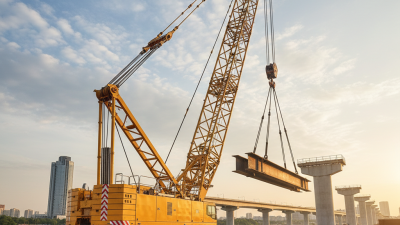
Lattice boom crawler cranes, on the other hand, are more suited for heavy lifting. They excel in energy sector projects or large infrastructure developments. Their extended reach and weight capacity make them ideal for lifting massive steel structures. Smaller projects might not require this kind of power, yet it's vital to acknowledge when heavier lifts are necessary.
Selecting the appropriate crane can feel overwhelming. Each type has its strengths and limitations. An inexperienced operator may underestimate the project’s demands. It’s vital to assess project specifics carefully. A mismatch can lead to inefficiencies and costs. Recognizing these nuances can significantly impact overall project execution and safety.
Comparison of Crawler Crane Lifting Capacities by Type
This bar chart illustrates the lifting capacities of different types of crawler cranes, ranging from mini to large variations. As indicated, lifting capabilities increase significantly with the size and type of the crane.
Evaluating Load Capacity for Your Project Requirements
When choosing a crawler crane for your project, evaluating load capacity is crucial. Load capacity refers to the maximum weight a crane can lift safely. The requirements of your project determine the capacity needed. For instance, if you are lifting steel beams or heavy machinery, you will need a crane with a higher load capacity. Understanding the weight of the load is essential before making a decision.
Many factors influence load capacity. The crane's design, condition, and the setup area all play roles. An experienced operator can assess how the crane handles various loads. Sometimes, the terrain may limit the effective load capacity. If the ground is unstable, even a powerful crane may struggle. This requires careful planning and potential adjustments.
Capacity ratings are not always straightforward. It is essential to consider potential overloading risks. Not every project runs smoothly, so it's vital to leave a safety margin. Evaluating these aspects can prevent costly mistakes. Many underestimate the complexities of load capacity, which can lead to accidents. A thorough assessment is not just smart; it's necessary for success.
Key Features to Look for in a Crawler Crane
When selecting a crawler crane, it's crucial to consider several key features. First, the lifting capacity is paramount. Determine the weight range of your loads. Most projects require cranes capable of lifting between 50 to 600 tons. An inadequate lifting capacity can lead to delays and safety concerns.
Next, look at the crawler crane's mobility. A versatile undercarriage allows for better maneuverability in tight spaces. Consider the dimensions of the site, including obstacles like buildings or uneven terrain. Stability is also essential, especially for large lifts. Features such as adjustable outrigger systems can enhance stability on varied surfaces.
Another vital aspect is technology. Advanced control systems can improve efficiency and precision. Some cranes offer smartphone connectivity for remote monitoring. This provides real-time data, which can help in making informed decisions during lifting operations. However, it’s essential to ensure that operators are trained in these technologies.
Evaluating the weight distribution and boom length is important too. These factors directly affect the crane's performance. Longer booms provide greater reach but can compromise stability without proper counterweights. Understanding your project's specific needs will guide you in making the right choice.
Comparing Cost-Effectiveness of Different Crawler Cranes
When choosing a crawler crane, cost-effectiveness is crucial. Different models can offer various features that impact both performance and budget. The initial rental costs vary significantly. Larger cranes might seem appealing, but they often come with higher operational costs. Smaller models may have lower upfront costs, but they may lack necessary capabilities for heavy lifting tasks.
Labor costs should also be considered. Some cranes require specialized operators, which can increase your overall budget. Additionally, maintenance costs can add up over time. Regular upkeep is essential for safe operation, and some models demand more frequent servicing. Accidents due to equipment failure can lead to unexpected expenses, making reliability a key factor.
It's important to thoroughly assess your project's specific needs. An initial analysis can help identify the right specifications. However, be cautious about prioritizing lowest upfront costs. Long-term expenses can outweigh any initial savings. Assessing options, weighing features against costs, and considering total project requirements can lead to a more informed decision.

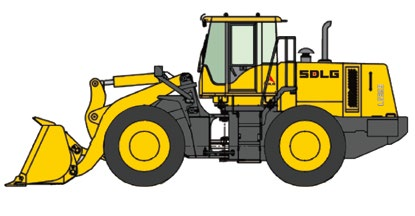 Wheel Loader
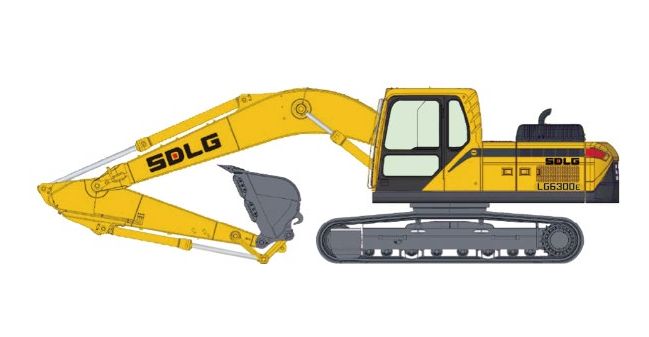 Excavator
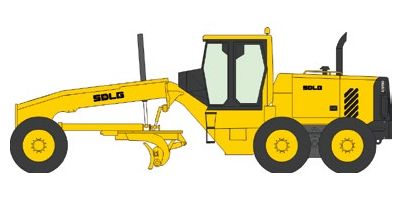 Motor Grader
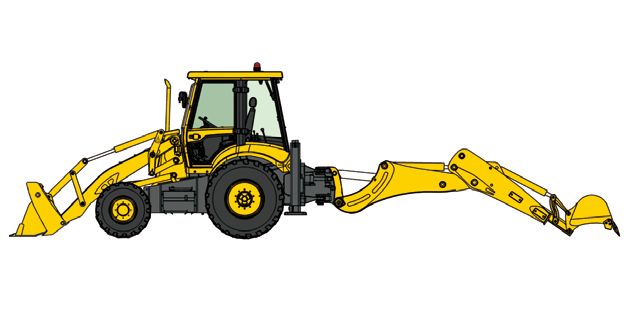 Backhoe Loader
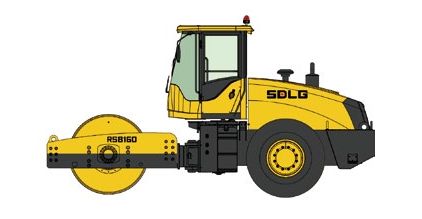 Road Roller
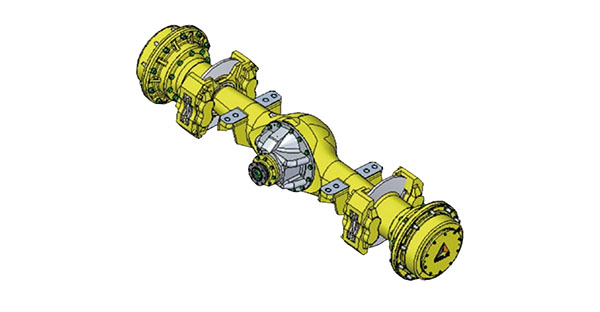 Spare Parts