Best Crawler Crane Models for Your Construction Needs?
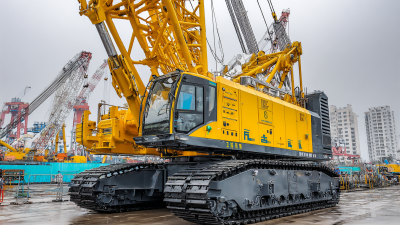
In the world of construction, choosing the right equipment is crucial. Among the many options available, the Crawler Crane stands out for its versatility. With the ability to operate on uneven terrain, it offers unique advantages for large projects. Understanding the best Crawler Crane models can significantly impact efficiency and safety on your job site.
Crawler Cranes are engineered for heavy lifting. They excel in tight spaces and challenging environments. However, selecting the right model requires expert knowledge. Each crane offers different capacities and features. It's essential to consider your project's specific needs, such as weight limits and lift heights.
While many contractors overlook the importance of matching the Crawler Crane to their job, this can lead to inefficiencies. Not every model is suitable for every task. Reflecting on your choices can improve overall performance. With the right information, you can make an informed decision that enhances productivity.
Overview of Crawler Cranes and Their Applications in Construction
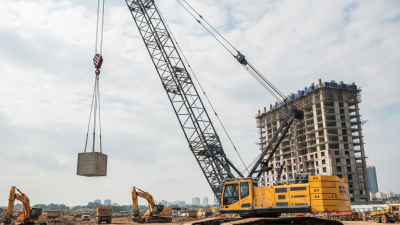
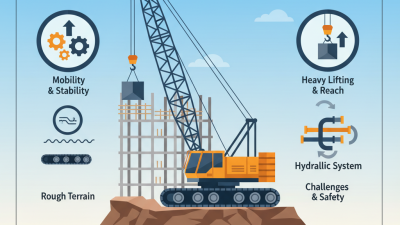
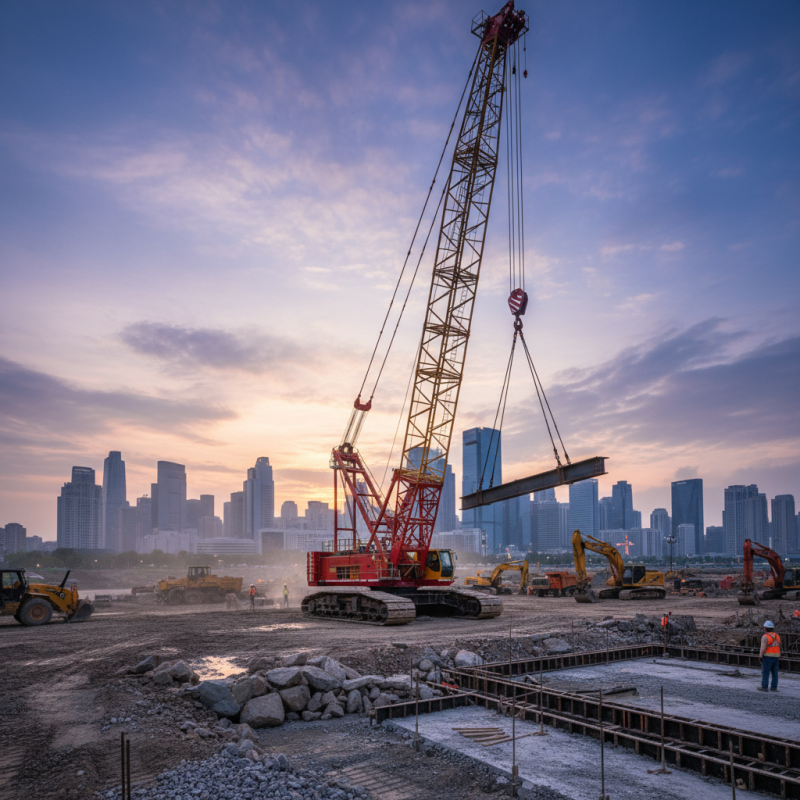
Crawler cranes are vital in modern construction. These machines excel in lifting heavy materials, which is crucial for high-rise buildings and infrastructure projects. Their design allows for mobility across rough terrain. This makes them ideal for sites with uneven surfaces.
According to a recent report by the International Construction Equipment Association, the demand for crawler cranes is projected to grow by 5% annually. This growth is driven by urbanization and infrastructure development worldwide. Crawler cranes can handle loads up to several hundred tons, depending on their model and configuration. This capability significantly improves project efficiency.
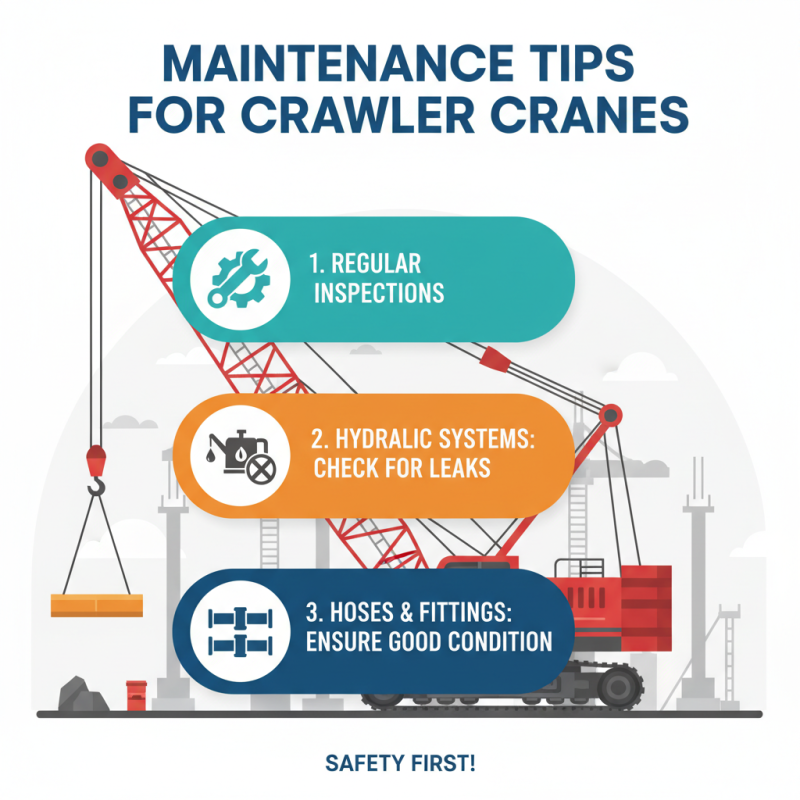
However, using crawler cranes comes with challenges. Operators must be skilled to navigate complex site conditions. For example, working on soft ground requires careful planning and specialized equipment. Additionally, timely maintenance is essential to ensure safety and efficiency. Without regular checks, accidents can occur, impacting project timelines and costs. More comprehensive training programs could help mitigate these risks in the industry.
Factors to Consider When Selecting a Crawler Crane Model
When selecting a crawler crane model, several crucial factors should inform your decision. Consider the load capacity required for your project. Assess the weight of the loads you'll be lifting. A model with insufficient capacity can lead to operational failures. Additionally, examine the reach and lifting height. Each project may require different specifications. Ensure the crane can operate efficiently within your site constraints.
Another important factor is the ground conditions. Crawler cranes perform optimally on soft or uneven terrain due to their broad tracks. If your site has challenges, selecting a model designed for such conditions is vital. Similarly, the crane's mobility can affect productivity. Some models offer better maneuverability and faster setup times.
Tips: Research manufacturers that have solid reputations. Reliability can often be gauged through reviews and recommendations from professionals in the field. Don't overlook maintenance support options. A crane model may look great on paper but should also be easy to maintain. Lastly, involve your team in the selection process. They can provide valuable insights into the practical needs of your projects.
Top Crawler Crane Models for Heavy Lifting in Construction Projects
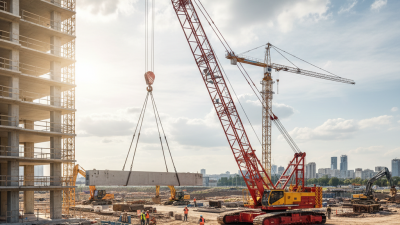
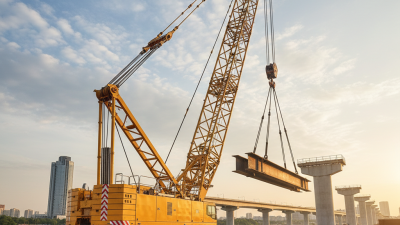
When it comes to heavy lifting in construction, crawler cranes are essential. These machines excel in challenging environments. They provide stability and power, ideal for moving heavy materials. Different models cater to various site requirements. It's important to assess the load capacities before selecting a model. Understanding the lift heights is equally crucial.
Many crawler cranes have unique features. Some models focus on large reaches, while others specialize in compact designs. This allows them to navigate tight spaces efficiently. A key consideration is the terrain. Soft ground can affect performance. Operators must factor in track width and weight distribution.
Worksite safety is paramount. Operators should be well-trained for maximum efficiency. Regular maintenance on crawler cranes helps to prevent unexpected breakdowns. Adopting best practices is vital for reliable operations. Heavy lifting is demanding work, so planning is essential. Not all cranes are suitable for every project. Choose wisely, and evaluate your specific construction needs.
Best Crawler Crane Models for Your Construction Needs
| Model |
Max Load Capacity (Tons) |
Boom Length (Meters) |
Operating Weight (Tons) |
Engine Power (HP) |
| Model A |
200 |
50 |
150 |
300 |
| Model B |
180 |
45 |
140 |
280 |
| Model C |
220 |
55 |
160 |
320 |
| Model D |
250 |
60 |
170 |
350 |
| Model E |
190 |
47 |
145 |
290 |
Comparison of Crawler Crane Specifications and Performance Features
When selecting a crawler crane, understanding specifications is crucial for maximizing performance. A recent report by the International Journal of Construction Equipment highlights that crawler cranes with higher lifting capacities, ranging from 200 to 600 tons, dominate the market. The choice of a crane often depends on the nature of the project, terrain, and load requirements. For instance, cranes designed for rough terrain often feature enhanced stability through wider tracks and lower centers of gravity, allowing them to operate effectively on uneven surfaces.
Another important aspect is the crane's reach and boom length. Studies reveal that models with booms extending over 100 meters allow for increased versatility in construction tasks. However, operators must consider that longer booms can lead to increased wind resistance, which might limit usage during adverse weather. Safety features also play a role in crane selection. Advanced models include load moment indicators and anti-collision systems, enhancing operational safety. Yet, these features often come at a higher cost, and not all models achieve the ideal balance between safety and affordability.
While data from recent market analyses show trends in crawler crane performance, discrepancies still exist within various models. Reports indicate that some cranes may underperform in challenging conditions despite promising specifications. This calls for thorough reviews of each model's real-world performance, beyond just their advertised capabilities. Understanding these nuances can lead to better decision-making in choosing the right crawler crane for specific construction needs.
Best Crawler Crane Models for Your Construction Needs
This chart compares the maximum lifting capacity of various crawler crane models. Choosing the right model based on lifting capacity is crucial for meeting your construction needs effectively.

 Wheel Loader
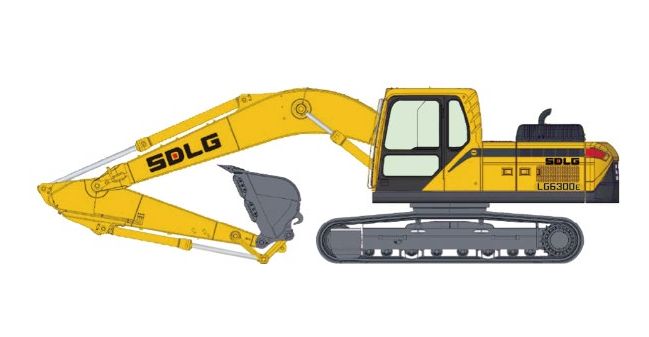 Excavator
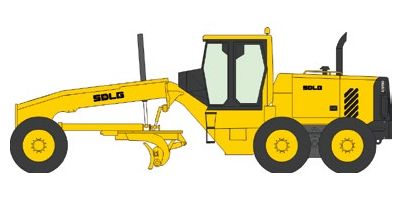 Motor Grader
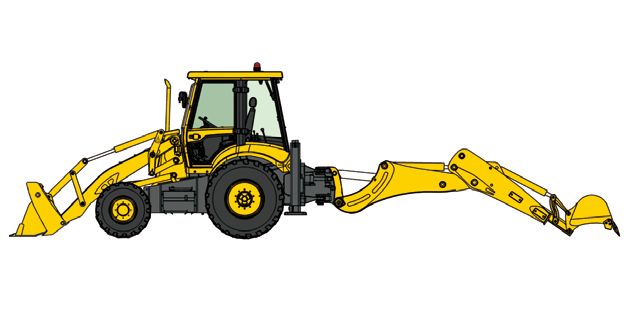 Backhoe Loader
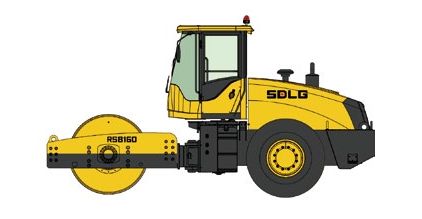 Road Roller
 Spare Parts