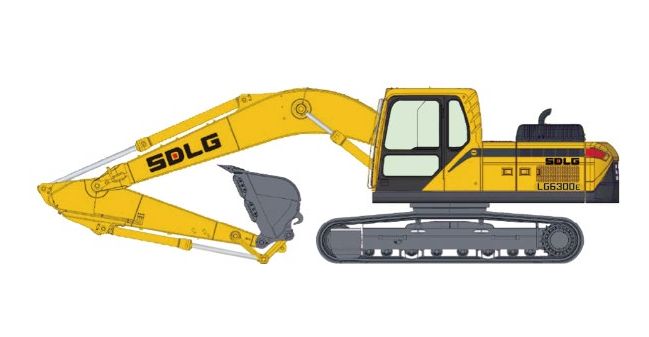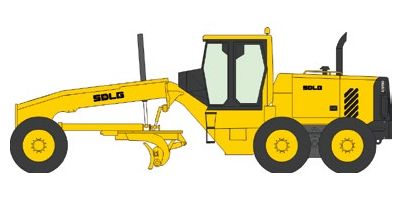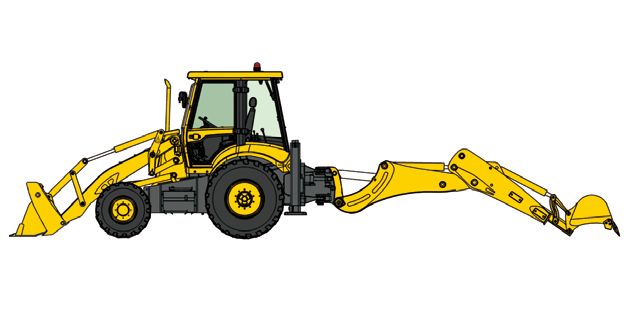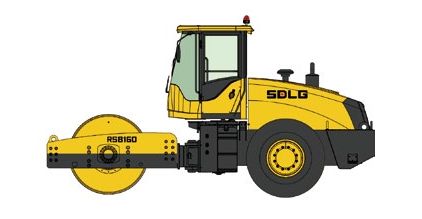
The demand for a Heavy Equipment Operator is becoming more visible across construction, road building, mining, utilities, and large infrastructure projects. Excavators, bulldozers, graders, and loaders remain essential on active job sites. One missed maintenance check can delay an entire crew.
The U.S. Bureau of Labor Statistics reports that construction equipment operators earned a median annual wage of $58,320 in May 2024. The highest-paid workers earned more than $99,650 annually, although wages vary by state, union coverage, experience, and equipment type. BLS also projects 5% employment growth for construction equipment operators from 2024 to 2034. These figures provide a useful starting point, not a guaranteed 2026 paycheck.
Hiring pressure is also shaping the market. The Associated General Contractors of America reported in its 2025 workforce survey that 92% of construction firms struggled to fill hourly craft positions. That shortage may support stronger wages for skilled operators who can read site plans, manage GPS controls, inspect machines, and work safely around crews. The best opportunities may appear in highway expansion, renewable energy construction, industrial development, and public infrastructure.
Still, salary rankings can be imperfect. Some reports group different operator roles together, while overtime and travel allowances can distort yearly earnings. A remote mining position may advertise a higher wage, but the schedule can involve long rotations and harsh weather. This guide compares the top Heavy Equipment Operator jobs and salary expectations for 2026 using government data, industry reports, and practical workplace factors.
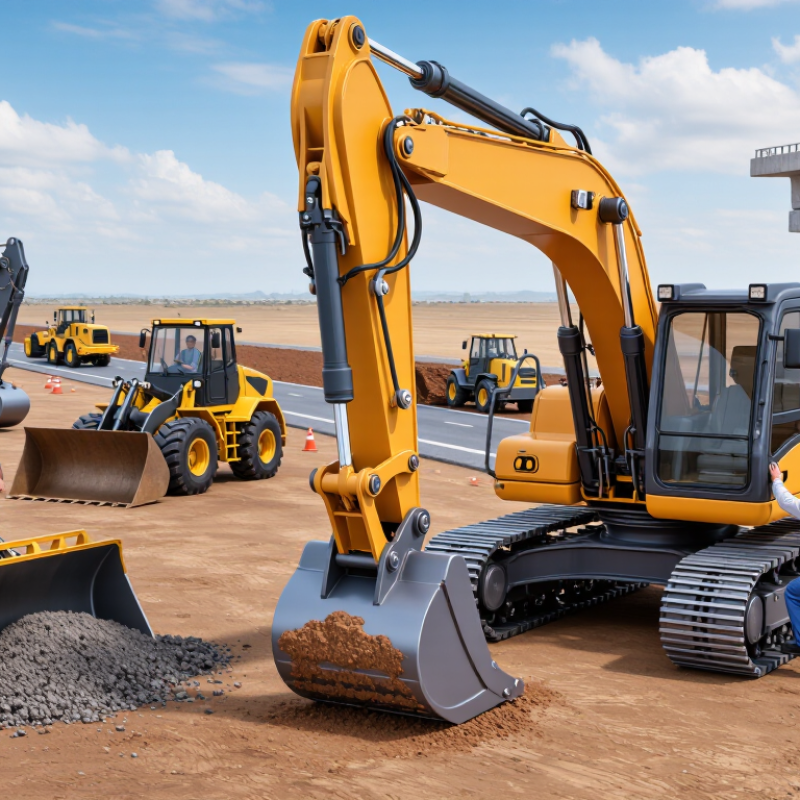
Heavy equipment operator work in 2026 involves far more than moving soil. Operators prepare excavators, loaders, graders, and bulldozers for demanding site conditions. Their daily responsibilities include pre-shift inspections, fluid checks, attachment changes, precise excavation, and safe material placement. Clear radio communication matters when visibility is poor. So does patience.
The U.S. Bureau of Labor Statistics projects about 4% employment growth for construction equipment operators from 2024 to 2034, with thousands of annual openings created by replacement demand. Its Occupational Employment and Wage Statistics report lists a median annual wage near $58,000, although location, union coverage, overtime, and experience can change earnings significantly. Supervisors also expect operators to read site plans, follow grade stakes, track machine limits, and document defects before they become costly failures.
Safety remains central to the role. Guidance from the Occupational Safety and Health Administration emphasizes inspections, stable ground, controlled work zones, and communication around moving equipment. A skilled operator watches more than the bucket. They monitor pedestrians, underground hazards, weather, load balance, and changing soil conditions. I once assumed faster cycles proved expertise. That assumption needs correcting. Smooth positioning, minimal rework, and disciplined shutdowns often show stronger performance. Employers increasingly value operators who can use digital grade controls, interpret maintenance alerts, and explain a risk before starting the next pass.
2026 Top Heavy Equipment Operator Jobs and Salary
Heavy equipment operators can earn solid wages, but pay depends on location, experience, equipment type, and project complexity. The U.S. Bureau of Labor Statistics reported a median annual wage of $58,320 for construction equipment operators in May 2024. Employment was projected to grow 4% from 2023 to 2033. Excavator, bulldozer, crane, and grading operators often find stronger opportunities on highway, utility, mining, and commercial construction projects. Remote work can pay more, but travel and irregular schedules are real costs.
Skills come before speed. Operators need depth perception, hand-foot coordination, basic mathematics, site communication, and accurate equipment inspections. Training may include an accredited heavy-equipment course, supervised field hours, and employer qualification testing. A universal operator license does not exist everywhere. However, local rules may require credentials for specific machines, while crane operations often require separate certification. Employers commonly verify documented training and practical competence.
Safety is not paperwork alone. OSHA construction standards require equipment to be inspected, maintained, and operated safely, including requirements under 29 CFR 1926.20 and 1926.602. NIOSH research repeatedly links struck-by incidents, blind spots, rollovers, and poor ground conditions with serious injuries. Keep a three-point contact. Use spotters when visibility is limited. Never assume a familiar machine is harmless. A certificate helps, but it cannot replace judgment, communication, or a careful pause before moving. Mistakes still happen, and reviewing near misses honestly remains one of the strongest training habits.
Heavy equipment operator jobs are expanding across construction, road maintenance, mining, utilities, and environmental restoration. Excavator, bulldozer, grader, loader, and crane operators remain in demand. Each role requires different judgment. An excavator operator reads soil conditions, controls hydraulic movements, and protects nearby workers. A grader operator may spend hours shaping a road surface within tight measurements. Small errors become expensive repairs.
Pay varies by region, union coverage, experience, and project risk. In 2026, many entry-level operators may earn about $40,000 to $55,000 annually. Skilled operators with several years of documented experience can often reach $60,000 to $85,000. Specialized or remote work may pay more, but travel and irregular schedules reduce its appeal. Money is not the whole opportunity.
Training creates mobility. Employers value equipment credentials, jobsite safety training, mechanical awareness, and a clean operating record. Candidates who can inspect fluid levels, identify worn tracks, and report unusual engine sounds often advance faster. Digital grade-control systems are also changing daily work. They improve accuracy, yet operators still need practical judgment when rain softens the ground. Technology helps. It does not replace attention.
Some career paths are overlooked. Experienced operators can become forepersons, equipment trainers, site coordinators, or maintenance planners. However, advancement is not automatic. Communication matters, and so does patience. A fast operator is not always a dependable one. Many workers underestimate fatigue, weather exposure, and repetitive strain. A realistic career plan includes rest, continued training, and honest self-assessment.
In 2026, heavy equipment operator pay depends heavily on experience, location, and machine specialization.
Entry-level operators often earn about $42,000 to $58,000 annually. Training usually begins with supervised work, daily inspections, and basic site safety. Mistakes are common early, especially when reading grades or judging tight clearances.
Experienced operators may earn $60,000 to $85,000 each year. Operators handling excavators, graders, or bulldozers often command higher wages. Crane and specialized lifting roles can exceed $90,000 when certification and advanced experience are required.
Remote construction sites may add housing, travel allowances, or overtime. However, overtime can make annual pay look stronger than the regular hourly rate.
Location changes the picture quickly. Large cities may offer higher base wages because infrastructure projects need steady crews. Rural areas sometimes pay less, but seasonal demand can create strong short-term opportunities. Quarry, utility, roadbuilding, and energy projects also follow different wage patterns.
A salary estimate should include shift length, equipment type, benefits, and unpaid travel time. These figures are useful guides, not promises. Local job postings and recent payroll data remain more reliable than broad online averages.
2026 Top Heavy Equipment Operator Jobs and Salary?
Career Growth, Employment Trends, and Future Opportunities in 2026
Heavy equipment operation is changing from seat time toward measured, connected site performance. In 2026, employers value safe judgment, grade control, preventive inspection, and clear crew communication. An operator may begin on loaders or compactors, then progress toward excavators, specialized machinery, or site supervision. That path is practical, but it is not automatic.
The U.S. Bureau of Labor Statistics projects about 5% employment growth for construction equipment operators from 2024 to 2034. It also estimates roughly 52,500 annual openings, including replacement demand. The bureau reported a median annual wage near $58,000 in May 2024, while experienced operators in specialized or heavily industrial work may earn more. Location, overtime, certifications, and project complexity still create wide differences.
A 2025 workforce survey from the Associated General Contractors of America found that most construction employers struggled to fill skilled positions. This shortage can support faster advancement for operators who document inspections, understand digital site plans, and protect equipment through disciplined maintenance. Future roles may include grade-control technician, fleet coordinator, civil infrastructure operator, or foreperson. Technology will remove some routine decisions. It will not remove accountability.
The forecast is not flawless. A certificate alone cannot replace judgment beside a trench, changing weather, or unstable ground. Employers may also expect stronger computer skills than many training programs currently provide. Operators should question outdated habits, request supervised practice, and keep learning as machinery becomes more automated.
| Occupation | Typical Annual Pay Range* | Core Equipment | Common Entry Requirement | 2026 Career Outlook | Key Advancement Opportunities |
|---|---|---|---|---|---|
| Construction Equipment Operator | $40,000–$85,000 | Excavators, loaders, bulldozers, graders and trenchers | High school education is commonly preferred; employer training, operating experience and site-safety training are often required. | Steady to positive Demand is supported by residential, commercial, transportation and utility construction. |
Lead operator, site supervisor, equipment trainer, estimator or construction manager |
| Crane and Tower Operator | $45,000–$100,000+ | Mobile cranes, tower cranes and crawler cranes | Documented training, practical evaluation and any required state or local credential are typically necessary. | Specialized demand Large infrastructure, industrial and high-rise projects can create strong demand for qualified operators. |
Senior crane operator, lift director, crane supervisor or safety coordinator |
| Paving, Surfacing and Tamping Operator | $38,000–$75,000 | Asphalt pavers, rollers, compactors and milling machines | On-the-job training is common; experience with grade control, compaction and traffic-control procedures is valuable. | Moderate growth Road maintenance, resurfacing programs and public infrastructure investment support employment. |
Paving foreperson, grade-control technician, project supervisor or roadway superintendent |
| Pile-Driver Operator | $50,000–$95,000+ | Pile drivers, vibratory hammers and foundation drilling systems | Apprenticeship or structured field training is common; rigging, signaling and foundation-work safety skills are important. | Niche opportunity Employment is closely connected to bridge, marine, foundation and major civil-engineering projects. |
Foundation foreperson, piling superintendent, field engineer or heavy-civil project manager |
| Underground Construction Equipment Operator | $45,000–$90,000+ | Continuous miners, roadheaders, loaders and underground haulage equipment | Specialized mine or tunnel training, confined-space procedures and strict equipment-safety certification are commonly required. | Specialized and cyclical Opportunities vary by mining, tunneling, utility and major transportation projects. |
Shift supervisor, underground operations manager, maintenance planner or safety specialist |
| Heavy Equipment Operator with Grade-Control Skills | $50,000–$95,000+ | Excavators, graders and dozers using machine-control or digital positioning systems | Traditional operating experience plus training in digital plans, machine-control systems and construction layout. | Above-average potential Technology skills can improve productivity and help operators qualify for higher-responsibility assignments. |
Grade-control specialist, site technology technician, lead operator or field superintendent |
2026 Market Snapshot