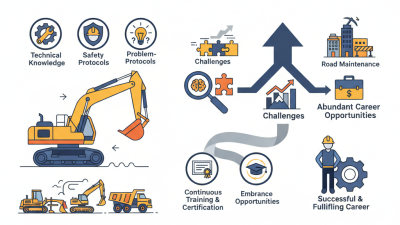
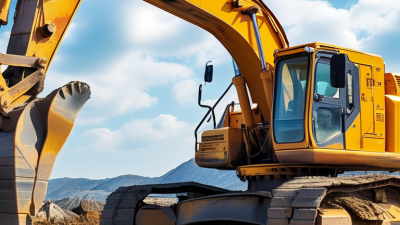
Heavy Machine Operator Tips to Boost Your Efficiency and Safety?
In the demanding field of heavy machine operation, efficiency and safety are paramount. Experts emphasize the importance of honing skills and practices. John Evans, an experienced Heavy Machine Operator, once stated, "Mastery of equipment is the backbone of our safety and productivity." His words remind us that every operator must strive for continuous improvement.
Daily tasks can become routine, but complacency risks safety. Heavy Machine Operators must remain vigilant and aware. Making small adjustments can lead to significant outcomes. For instance, taking the time to conduct thorough pre-operation checks can prevent accidents and increase efficiency. Each moment spent preparing can save hours of labor and potential hazards.
Moreover, operators should embrace feedback. Understanding that every expert was once a novice is vital. Sharing experiences among peers fosters growth and builds a culture of safety. Reflecting on past challenges can guide future actions. Ultimately, a commitment to both personal and communal improvement can lead to safer operations and enhanced productivity in the heavy machine industry.

Heavy Machine Operator Training: Key Skills for Enhanced Performance
Heavy machine operators play a crucial role in various industries. Their training focuses on key skills to enhance performance and improve safety. According to the Occupational Safety and Health Administration (OSHA), proper training reduces workplace incidents by up to 30%. This emphasizes the importance of comprehensive training programs.
Operators should master equipment handling and safety protocols. Familiarity with the machine's controls and features leads to better efficiency. Studies show that trained operators can complete tasks 25% faster than untrained colleagues. However, it's essential to focus on continuous development. Regular refresher courses can help operators stay updated on new technologies and safety regulations.
Communication skills also matter. Effective communication ensures team members coordinate during operations. Huddles before shifts can clarify roles and tasks. Yet, many operators overlook this aspect, which can lead to misunderstandings. Addressing this gap in training is vital for enhancing workplace safety and performance. Investing in skills development not only boosts individual capabilities but also fosters a safer work environment.
Heavy Machine Operator Tips to Boost Your Efficiency and Safety
| Tip |
Description |
Safety Measures |
Efficiency Techniques |
| Regular Maintenance |
Perform routine checks and maintenance on machines to ensure they are in optimal condition. |
Always check for wear and tear before operating a machine. |
Schedule maintenance during downtime to avoid delays. |
| Proper Training |
Ensure all operators are trained and certified to operate machinery safely and effectively. |
Conduct safety drills and refreshers regularly. |
Implement cross-training for different machine types to maximize workforce flexibility. |
| Site Assessment |
Assess the working environment to identify potential hazards before beginning operations. |
Use appropriate signage and barriers to alert others to machine operation zones. |
Plan machine movements to reduce unnecessary travel time. |
| Communication |
Maintain clear communication with team members, especially in noisy environments. |
Use hand signals or radios to convey important information. |
Establish a protocol for reporting issues or hazards immediately. |
| Ergonomics |
Adjust the operator's seat and controls for optimal comfort and reach. |
Instruct operators in proper lifting and machine handling techniques. |
Implement regular breaks to reduce fatigue and enhance focus. |
Understanding Machinery Specifications: The Impact on Operational Efficiency
Understanding machinery specifications is crucial for operators aiming to enhance efficiency and safety. Properly matching equipment to tasks can prevent costly mistakes. For instance, a report by the Association of Equipment Manufacturers indicates that using the right machinery can improve operational efficiency by up to 30%. This means that knowing the horsepower, torque, and hydraulic capabilities of machines can optimize their performance.
Another critical aspect is understanding load capacities. Exceeding a machine's load can lead to breakdowns and accidents. In fact, according to the Occupational Safety and Health Administration (OSHA), improper use of machinery was a leading cause of workplace injuries in construction. Operators must not only read the manuals but also interpret the specifications effectively. This can be challenging, as reports show that 40% of operators misinterpret critical data.
Moreover, technology integration has enhanced machinery specifications. Modern machines often come with advanced features like GPS tracking. This technology allows for real-time monitoring of operational parameters. However, it requires operators to adapt. Effective training is vital, as it can increase machinery utilization rates by 25%. Often, operators find themselves unsure about how to maximize these technologies, highlighting a need for continuous education in the field.
Safety Protocols: Essential Practices for Reducing Workplace Accidents
When operating heavy machinery, safety protocols are crucial. Operators should wear protective gear consistently. Helmets, gloves, and goggles are essential for personal safety. Regular equipment checks can prevent accidents. Inspecting machinery before use identifies potential issues. Many operators overlook this step, which can lead to serious problems.
Establishing a clear communication system is vital. Operators should signal clearly with hand gestures or radios. Miscommunication can lead to accidents on site. Ensure everyone involved understands the signals. This practice creates a safer work environment. Additionally, training sessions on safety should be mandatory and frequent.
Many operators may become complacent over time. Routine can lead to neglecting safety measures. This mindset increases workplace risks. Reflecting on past incidents can help improve safety awareness. Engage in regular discussions about safety among your team. Sharing experiences highlights the importance of vigilance and proactive measures.
Heavy Machine Operator Tips to Boost Your Efficiency and Safety
Routine Maintenance: How Regular Checks Can Improve Safety and Productivity
Routine maintenance is essential for heavy machine operators. Regular checks reduce the likelihood of breakdowns. Machines that are well-maintained run smoother and are more responsive. This leads to better performance and increased productivity on job sites. Scheduled inspections also allow operators to identify small issues before they escalate into costly repairs.
Furthermore, routine checks enhance safety. Heavy machinery can be dangerous. Proper maintenance ensures safety features are functional. Things like brakes, lights, and alarms should always be inspected. Neglecting these areas can lead to accidents, which affect not only the operator but also coworkers. Operators must develop a habit of checking equipment before use.
It's easy to overlook maintenance in the rush of work. Operators might feel pressed for time, leading to shortcuts. This mindset can create serious risks. Taking the time for regular checks can prevent injury and downtime. Reflecting on past incidents can help emphasize the importance of these practices. The benefits of routine maintenance extend far beyond compliance; they foster a culture of safety and efficiency.
Data-Driven Decision Making: Leveraging Analytics for Operational Excellence
Data-driven decision making is essential for heavy machine operators looking to enhance their efficiency and safety. By leveraging data analytics, operators can pinpoint potential hazards and optimize their workflow. For instance, tracking machine performance through sensors can reveal patterns in fuel consumption and maintenance needs. This insight not only aids in maintenance scheduling but also reduces unexpected failures.
Furthermore, utilizing analytics can help in improving training programs. By analyzing accident reports and equipment usage data, operators can identify skills gaps and areas that need focus. For example, if data shows frequent accidents with a specific machine, tailored training can help address this issue, fostering a safer work environment. However, it is crucial to be aware of data interpretation limitations. Misreading data trends can lead to misguided strategies. Reflecting on past decisions can uncover insights that are often overlooked.
In making data-centric decisions, it's also vital to involve operators in the process. They offer practical insights that numbers alone cannot provide. Their hands-on experience, coupled with data, offers a broader perspective. Balancing data analytics with human intuition creates a more robust safety culture.

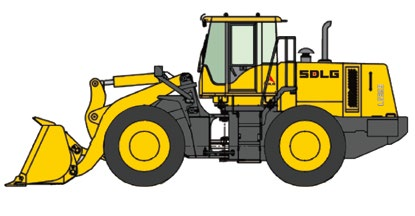 Wheel Loader
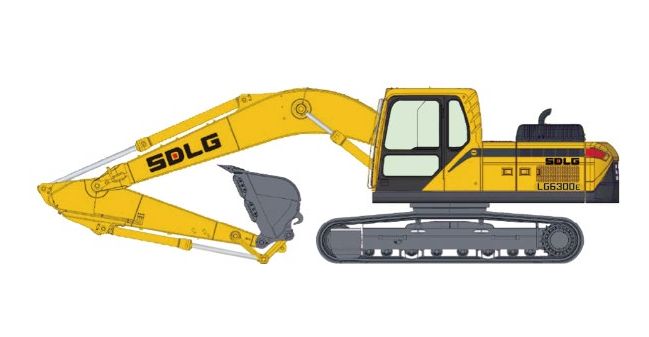 Excavator
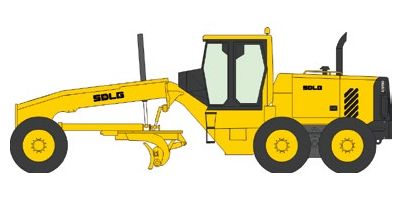 Motor Grader
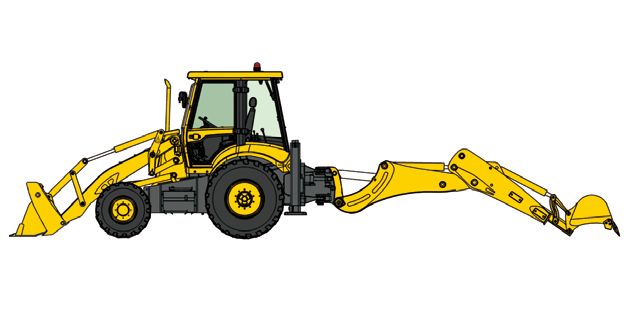 Backhoe Loader
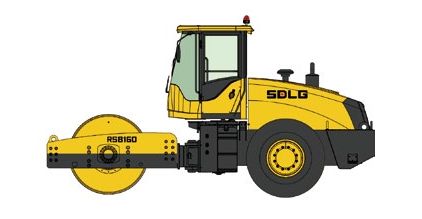 Road Roller
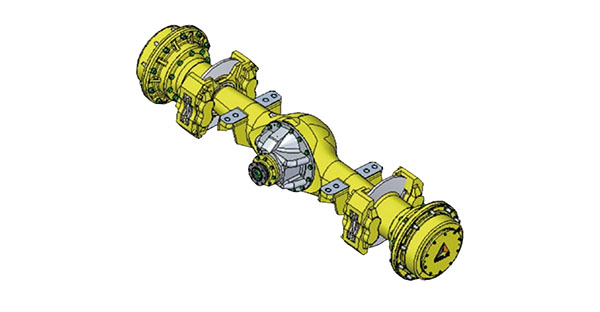 Spare Parts