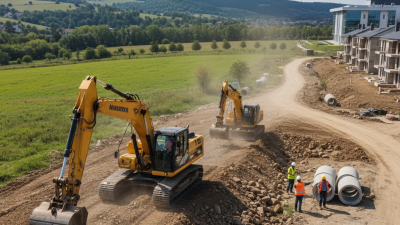
What is a Heavy Equipment Operator and Their Key Responsibilities?
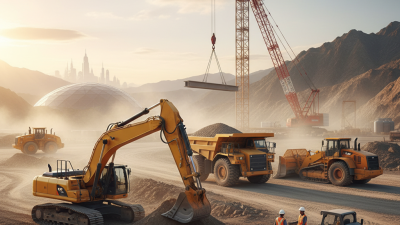
Heavy Equipment Operators play a crucial role in the construction and mining industries. They are responsible for operating machinery that shapes the environment. According to the U.S. Bureau of Labor Statistics, there are over 400,000 Heavy Equipment Operators in the U.S. alone. This reflects the high demand for skilled workers in this field.
These operators handle complex machinery such as bulldozers, excavators, and cranes. Their work directly impacts project efficiency and safety. Reports indicate that nearly 25% of construction accidents involve equipment operation. This statistic highlights the importance of ensuring that Heavy Equipment Operators are well-trained.
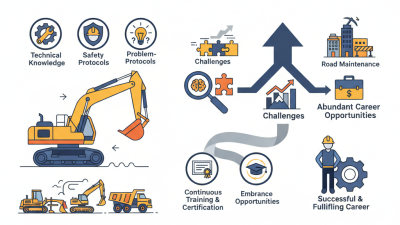
Training and certification are vital for success in this role. However, many operators report a lack of ongoing training opportunities. This gap may lead to outdated practices. The industry must emphasize continuous education to enhance safety and skills. A focus on best practices can improve the effectiveness of Heavy Equipment Operators and projects overall.
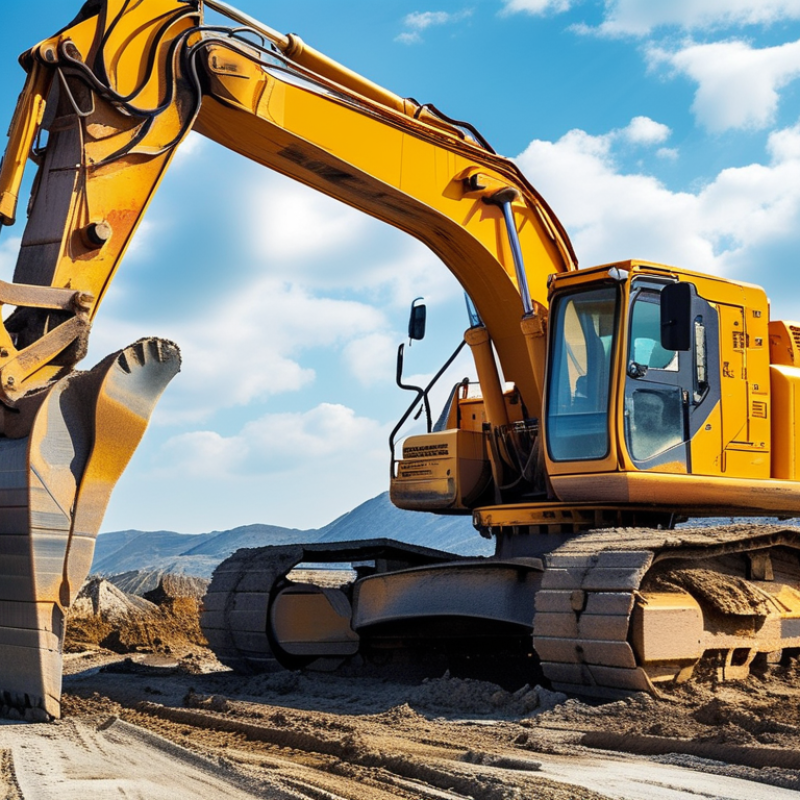
What is a Heavy Equipment Operator?
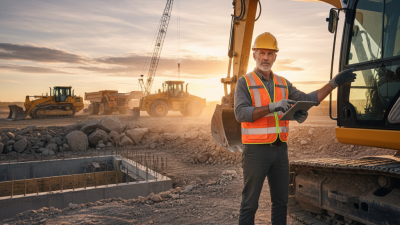
A heavy equipment operator is a skilled professional responsible for operating machinery used in construction, mining, and excavation. These machines include bulldozers, excavators, and cranes. Operators must be adept at handling the controls and familiar with the machine’s capabilities. Their main goal is to move materials efficiently and safely.
In addition to operating equipment, heavy equipment operators have various responsibilities. They routinely inspect machinery to ensure it functions properly. Operators are also required to follow safety protocols strictly. They must communicate with site supervisors and other workers clearly. Miscommunication can lead to accidents or delays. Maintaining equipment cleanliness is essential, too. A clean machine operates better and lasts longer.
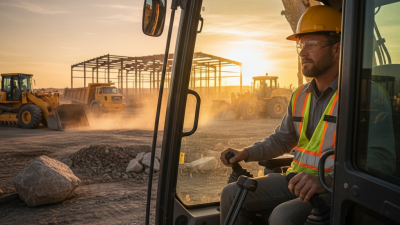
Experience plays a vital role in this profession. However, even seasoned operators need refresher training. Handling complex machinery can be daunting. Mistakes can be costly, both in time and resources. Operators might face harsh weather conditions, which can affect performance. Thus, adaptability becomes crucial. Overall, being a heavy equipment operator is demanding yet rewarding.
Essential Skills Required for Heavy Equipment Operators
Heavy equipment operators play a vital role in construction, mining, and other industries. To excel in this field, certain essential skills are necessary. Proficiency in operating machinery, such as bulldozers and excavators, is foundational. According to the Bureau of Labor Statistics, employment for heavy equipment operators is projected to grow 5% from 2020 to 2030, emphasizing the demand for skilled operators.
Additionally, safety awareness is crucial. Operators must understand safety protocols to prevent accidents. According to OSHA, heavy equipment-related accidents account for a significant percentage of workplace injuries. Understanding load limits and proper machine function is necessary. Attention to detail can save lives on the job site.
Problem-solving skills are also imperative. Operators often face unexpected obstacles. They may need to adjust their approach quickly. Communication skills are key too. Operators collaborate with crew members to ensure project success. Though experience is valuable, ongoing training and adaptation are essential as technology evolves. Heavy equipment operators must stay current with new machinery and techniques to remain competitive in the industry.
Key Responsibilities of Heavy Equipment Operators in Construction
Heavy equipment operators play a vital role in construction. They manage and operate complex machinery. This includes bulldozers, excavators, and cranes. With extensive knowledge and training, these operators ensure safety and efficiency on the job site.
One key responsibility is conducting daily inspections of equipment. This ensures that the machinery is in good working condition. Operators must identify any potential issues before they escalate. They also need to understand how to communicate effectively with other team members. Coordination is essential for successful project execution.
Operators must keep records of equipment usage and maintenance. This can be tedious but is crucial for tracking performance. Regular maintenance prevents costly breakdowns. Continuous learning is important as technology evolves. Heavy equipment operators must adapt to new machines and techniques to maintain expertise in their field.
Safety Protocols and Regulations for Heavy Equipment Operations
Heavy equipment operations require strict adherence to safety protocols and regulations. Operators must understand the machinery they handle. Each piece of equipment has unique safety requirements. Daily inspections are crucial. This includes checking hydraulic systems and ensuring proper equipment settings.
Operators should wear appropriate personal protective equipment (PPE) at all times. Hard hats, gloves, and steel-toed boots should be standard. Awareness of the surrounding environment is vital. Understanding site hazards can prevent accidents. Communication with ground crew is imperative. Clear hand signals and verbal cues can enhance safety.
Training is essential, but even experienced operators must continually assess their practices. Assessing one’s own behavior can lead to improvements. It’s easy to become complacent in routine tasks. Regular safety drills can reinforce protocol adherence. These practices ensure not just compliance, but a culture of safety on every job site.
What is a Heavy Equipment Operator and Their Key Responsibilities? - Safety Protocols and Regulations for Heavy Equipment Operations
| Responsibility |
Description |
Safety Protocols |
Regulations |
| Operating Heavy Machinery |
Control and operate various types of heavy equipment, such as bulldozers and excavators. |
Conduct pre-operation safety checks and wear required personal protective equipment (PPE). |
Follow OSHA guidelines for heavy equipment operation. |
| Maintenance |
Perform regular maintenance and minor repairs on equipment to ensure functionality. |
Keep a maintenance log and report major issues to supervisors. |
Comply with manufacturer guidelines for maintenance protocols. |
| Site Inspection |
Inspect job sites before operations to identify hazards and ensure safe working conditions. |
Identify potential risks and implement control measures prior to operation. |
Adhere to safety management systems in place, like ISO 45001. |
| Communication |
Communicate effectively with team members and supervisors regarding operations and safety. |
Use hand signals or radios as necessary for clear communication. |
Follow site-specific communication policies. |
| Documentation |
Document daily operations and any incidents for accountability purposes. |
Maintain an incident report to record any accidents or near misses. |
Ensure compliance with local laws regarding incident documentation. |
Job Outlook and Salary Information for Heavy Equipment Operators
Heavy equipment operators play a crucial role in construction and other industries. They handle machinery like bulldozers, cranes, and excavators. Their work is physically demanding and requires precision. The job outlook for these operators is promising. According to the Bureau of Labor Statistics, employment is expected to grow steadily in the coming years. The construction industry’s expansion drives this increase.
Salaries for heavy equipment operators vary based on location, experience, and type of machinery operated. Generally, the annual pay ranges from $30,000 to $70,000. Urban areas often offer higher wages. However, entry-level positions might start lower. Many operators face challenges, such as adverse weather and long hours. These factors may impact job performance and satisfaction.
Operators must ensure safety standards are met. Training programs and certifications are essential for skill development. Some may find advanced machinery intimidating. Yet, with experience, confidence grows. Continual learning is vital to adapt to technological changes. Heavy equipment operation can be rewarding, but it requires dedication and adaptability.

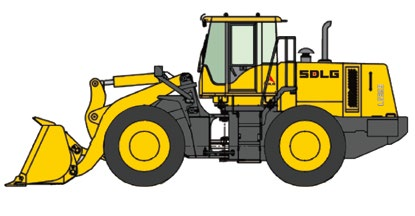 Wheel Loader
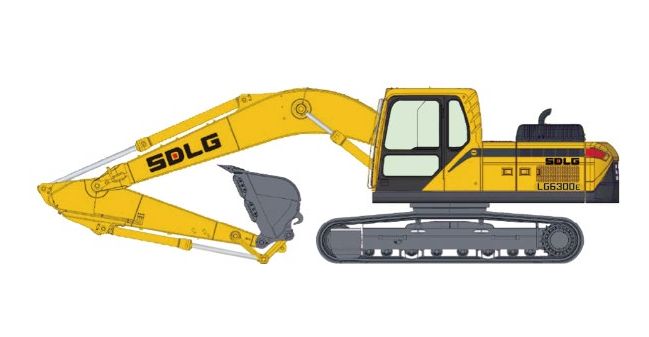 Excavator
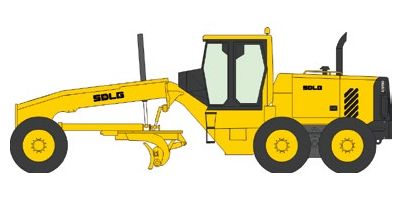 Motor Grader
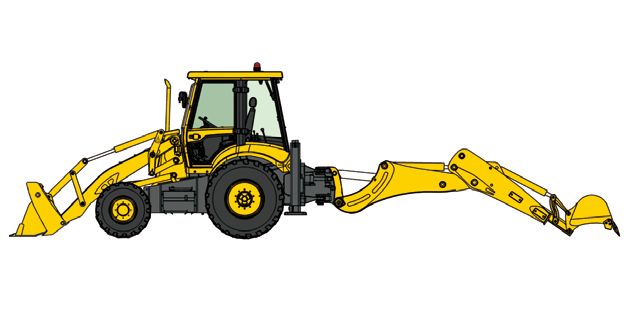 Backhoe Loader
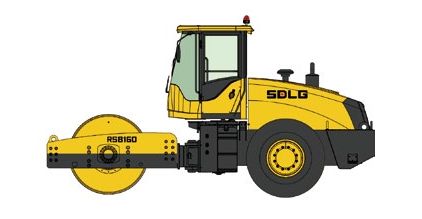 Road Roller
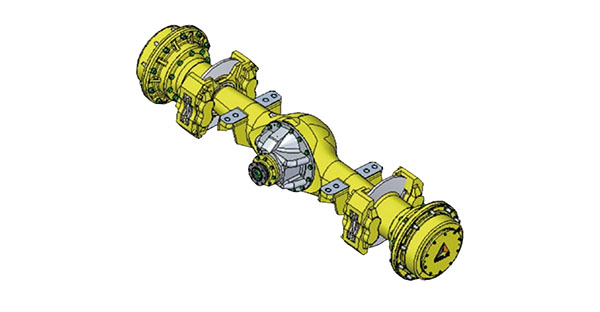 Spare Parts