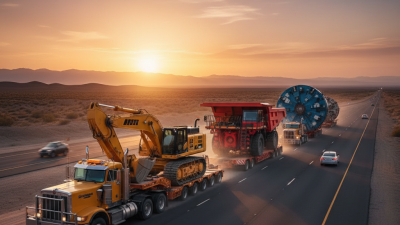
2026 Best Heavy Equipment Movers for Global Buyers Guide?
In the heavy equipment industry, efficient transportation is crucial. Heavy Equipment Movers play a significant role in ensuring assets are relocated safely and on time. According to a recent report by the International Heavy Equipment Association, the global market for heavy equipment logistics is expected to reach $120 billion by 2026. This growth highlights the increasing need for reliable moving solutions.
Investing in reputable Heavy Equipment Movers can yield impressive returns. Companies that prioritize professional services often reduce downtime and operational delays. However, not all movers meet industry standards. Some may lack proper certifications or have limited experience. It's important for buyers to carefully evaluate movers based on these criteria.
Additionally, realigning logistics strategies with the latest technology can enhance efficiency. Reports indicate that advanced tracking and automation can cut transportation costs by 15%. This trend invites buyers to rethink their current partnerships and seek out movers that innovate and adapt to modern logistics demands. Sustainable practices in heavy equipment moving also become essential as environmental concerns rise. With these considerations, this guide aims to empower global buyers in making informed decisions about Heavy Equipment Movers.
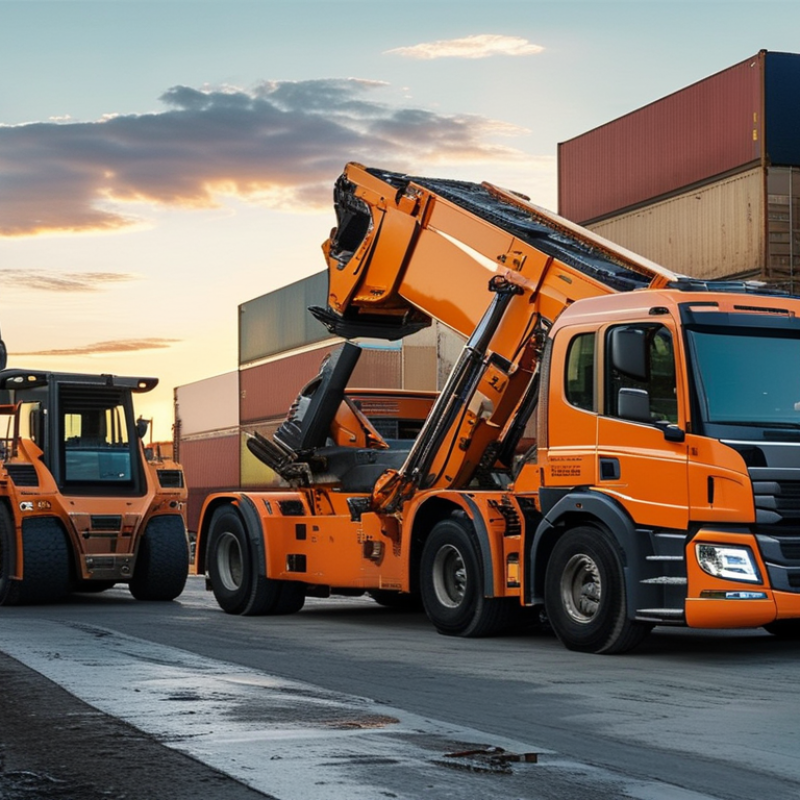
Overview of the Heavy Equipment Moving Industry in 2026
The heavy equipment moving industry is evolving rapidly in 2026. As infrastructure projects increase, the need for reliable moving services has become critical. Companies require experts who understand the specifics of transporting machinery safely. Knowledge about handling diverse types of heavy equipment is essential. Addressing these challenges leads to a more efficient workflow.
Safety remains a significant concern. Improper handling can lead to damage and costly delays. Top movers invest in specialized training for their teams. Yet, issues do arise. Companies sometimes underestimate the complexity of oversized loads and the intricacies of local regulations. A thorough understanding can prevent potential setbacks in operations.
Moreover, technology plays a pivotal role in this industry. Utilization of advanced tracking systems and machinery ensures adherence to schedules. However, reliance on technology without proper backup can be risky. As we progress, companies must balance innovation with traditional expertise. This dual approach can enhance reliability and safety in transporting heavy equipment.
Key Features to Look for in Heavy Equipment Movers
When choosing heavy equipment movers, there are key features buyers should prioritize. Among the most important aspects is the capacity of the mover. A report from the Heavy Equipment Movers Association indicates that maximizing load capacity can significantly improve efficiency. Movers that can handle varying weight classes provide versatility for different projects.
Another crucial feature is maneuverability. Transporting heavy equipment often involves navigating tight spaces. Movers with a compact design and excellent steering capabilities are essential for minimizing the risk of damage during transit. According to industry studies, approximately 25% of equipment damage occurs due to mismanagement during transportation.
Additionally, safety features cannot be overlooked. Advanced braking systems, load stabilization, and secure tie-downs contribute to safe transit. Research from the Global Safety Reporting Initiative shows that equipment transport accidents can lead to costly delays and injuries. Investing in movers with robust safety features can mitigate these risks and enhance operational reliability. Prospective buyers must weigh these critical factors carefully.
Top Heavy Equipment Movers for Global Buyers in 2026
In 2026, the demand for heavy equipment movers continues to rise. Buyers globally seek reliable and efficient transport solutions. The complexity of moving heavy machinery requires expertise. Therefore, choosing the right mover is crucial. Reliable movers ensure safety and compliance with industry standards.
Many buyers overlook critical factors when selecting a mover. Cost is important, but it shouldn't be the only focus. Checking for insurance coverage is vital. Movers with comprehensive plans provide peace of mind. Experience in handling specific equipment types often matters more than price. Some companies may claim expertise but lack the necessary track record.
Communication is essential in any moving process. Clear timelines and updates should be standard. Not all movers prioritize this transparency. Clients often face delays and unexpected issues. Researching customer reviews can reveal these pitfalls. Knowledgeable buyers will ask for references and check certifications. This diligence can prevent costly mistakes during transport.
Cost Considerations and Pricing Models for Heavy Equipment Moving
Moving heavy equipment involves significant cost considerations. Pricing models vary based on distance, equipment weight, and specific services. For instance, local moves often cost less than cross-country hauls.
The overall weight of the equipment can drastically influence the price. Heavier loads require more specialized transport, increasing expenses.
It's essential to understand additional factors that may impact costs. Fuel prices can fluctuate, leading to unexpected fees. Additionally, insurance is a critical consideration. Adequate coverage protects against potential damages. Clients should review their insurance options carefully.
Pricing models can also differ significantly among service providers. Some may charge per mile, while others might offer flat rates. Transparency is crucial in this aspect. Asking for detailed quotes helps buyers avoid hidden fees. Ultimately, knowledge about these factors empowers buyers to make informed decisions.
Regulatory Compliance and Safety Standards in Equipment Transportation
Regulatory compliance and safety standards are crucial in heavy equipment transportation. According to the Institute of Transportation Engineers, adherence to safety regulations can reduce transportation-related incidents by up to 30%. This is especially significant given the inherent risks of moving heavy machinery. Proper training in compliance can directly enhance safety on the job.
Each region has specific regulations governing heavy equipment transport. For instance, exceeding weight limits can lead to severe fines and operational delays. The Federal Highway Administration emphasizes that understanding local laws is vital for smooth operations. Many companies fail to update their knowledge on these rules, leading to operational setbacks.
Equipment movers must ensure their vehicles meet stringent safety standards. Regular inspections and maintenance of transport vehicles can prevent breakdowns and accidents. The U.S. Department of Transportation states that well-maintained equipment reduces the risk of collisions. Nonetheless, some operators overlook this while focusing solely on efficiency. This oversight can have dire consequences. Addressing these issues requires ongoing education and commitment to safety practices in the industry.
2026 Best Heavy Equipment Movers for Global Buyers Guide
This chart illustrates the importance of various regulatory compliance and safety standards in equipment transportation. Each aspect is rated on a scale from 1 to 10, highlighting the critical areas that global buyers should focus on when selecting heavy equipment movers.

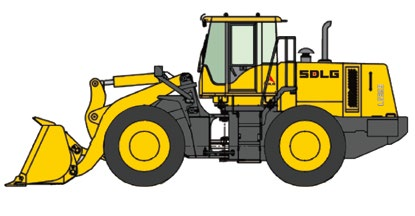 Wheel Loader
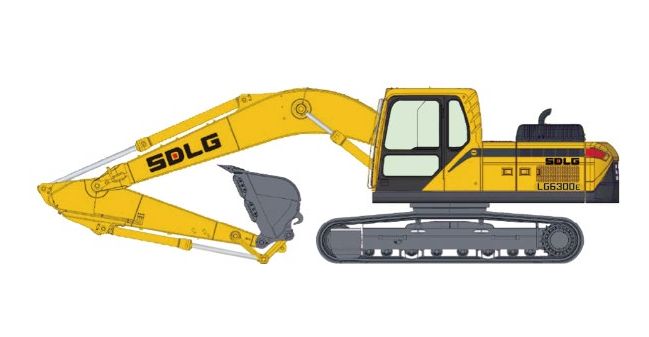 Excavator
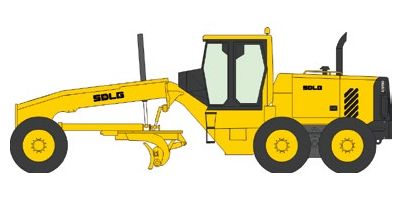 Motor Grader
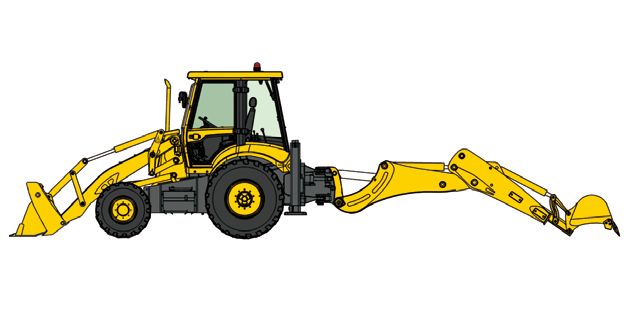 Backhoe Loader
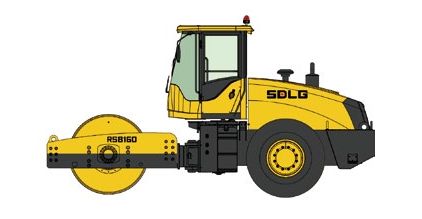 Road Roller
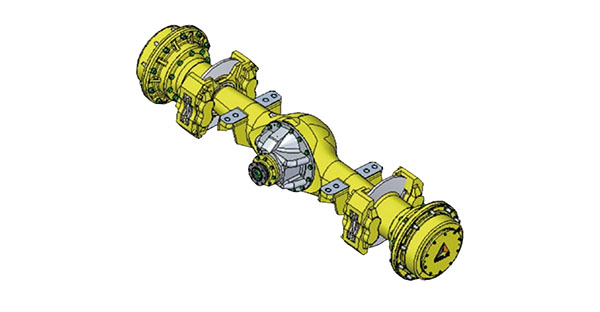 Spare Parts