Leave Your Message

What Are the Top Construction Vehicles to Buy?

Choosing the right Construction Vehicles is not simply a matter of comparing horsepower. A compact excavator may suit a narrow urban site, while a crawler excavator can handle deeper, heavier ground work. Wheel loaders move loose material quickly, but articulated dump trucks may perform better across rough, uneven terrain. The best purchase depends on workload, site access, operator skill, maintenance support, and long-term operating cost.

Tony Fassino, Caterpillar’s former Group President of Construction Industries, said, “Our customers are looking for solutions that help them be more productive, efficient, and safe.” That principle should guide every buying decision. A machine can look impressive on a dealer’s yard. Its real value appears beside a muddy trench, under a full bucket, or during a ten-hour shift. Check fuel use, hydraulic response, visibility, attachment compatibility, tire or track costs, and parts availability before signing a contract. Small details matter.

There is no universal winner.

This guide compares the top Construction Vehicles for common projects, including excavators, bulldozers, loaders, graders, cranes, and dump trucks. It considers new and used equipment, ownership costs, technology, and jobsite performance. Some recommendations may change when local terrain, weather, or service access is different. That limitation deserves attention. A powerful vehicle may still be the wrong choice if it spends most days waiting for repairs or operating below its useful capacity.
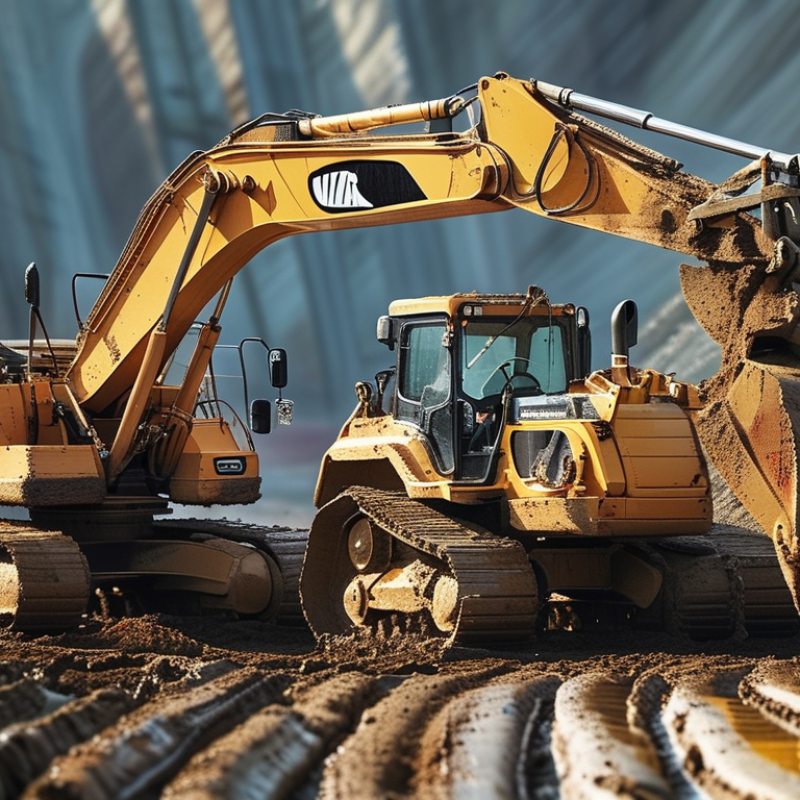
What Are the Top Construction Vehicles to Buy?

Construction Vehicle Categories and Their Core Functions

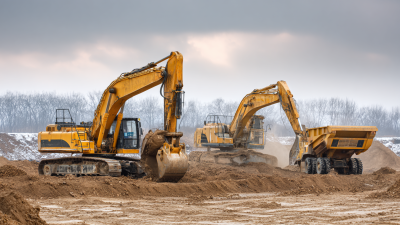
Choosing the right construction vehicle starts with its core function, not its appearance. Excavators handle trenching, foundation work, and heavy digging. Their boom reaches confined areas, while different buckets change the digging result. Wheel loaders move soil, gravel, and debris quickly. They also load trucks efficiently on firm ground. Bulldozers push material across rough surfaces and create level working areas. However, their strength can damage soft ground without careful operation.

Dump trucks transport loose materials between the work zone and storage area. Articulated models suit uneven terrain, while rigid models often carry heavier loads on prepared roads. Motor graders produce accurate slopes and smooth road surfaces.

Telehandlers lift materials to elevated platforms, but they require careful load planning. For smaller sites, compact loaders and mini excavators can reduce ground disturbance. I have found them useful beside buildings, although their smaller capacity can extend the schedule.

Tips: Match the vehicle to soil type, access width, lifting height, and daily workload. Check service records, hydraulic leaks, tire wear, and attachment condition before buying. Estimate fuel, repairs, operator training, and transport costs together. A low purchase price can become expensive after several idle days. Do not rely only on machine hours. A poorly maintained vehicle may hide serious wear. Ask for a practical inspection under working conditions, not just a clean yard demonstration. Test controls, visibility, braking, and stability. Small details matter.
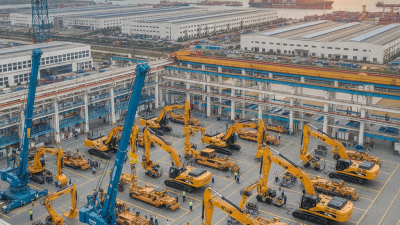
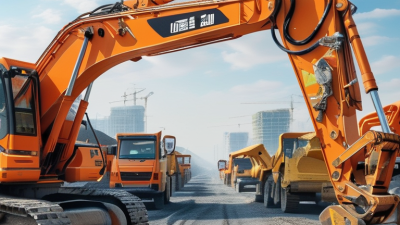
Key Factors for Choosing the Right Construction Vehicle

What Are the Top Construction Vehicles to Buy?

Key Factors for Choosing the Right Construction Vehicle

Choosing a construction vehicle starts with the job, not the machine’s appearance. A compact excavator may suit a narrow urban site, while a larger model needs clear access and stronger ground. Measure entrances, turning areas, soil conditions, and working height before comparing equipment. Space matters. A vehicle that cannot reach the work area becomes an expensive obstacle.

Review operating capacity carefully. Check lifting limits, digging depth, bucket size, fuel use, and attachment compatibility. These details affect daily output more than advertised power. For example, a loader moving wet soil needs stable traction and suitable tires. A machine working on uneven ground also requires reliable braking, visibility, and operator protection. Safety features should be verified against current local requirements and site procedures.

Maintenance support is another practical factor. Ask about service intervals, replacement parts, inspection records, and technician availability. Downtime can damage a project schedule quickly. Rental records and previous operating hours also deserve attention, although paperwork may not reveal every problem. A careful inspection should include hydraulic leaks, unusual engine noise, worn tracks, and cracked attachments. I have seen purchase decisions rely too heavily on price. That approach can fail when fuel costs, repairs, and training are added later. The cheapest vehicle is not always the most economical choice. Recheck the numbers.

Top Construction Vehicles for Excavation, Loading, and Hauling

Top Construction Vehicles to Buy: Excavation, Loading, and Hauling

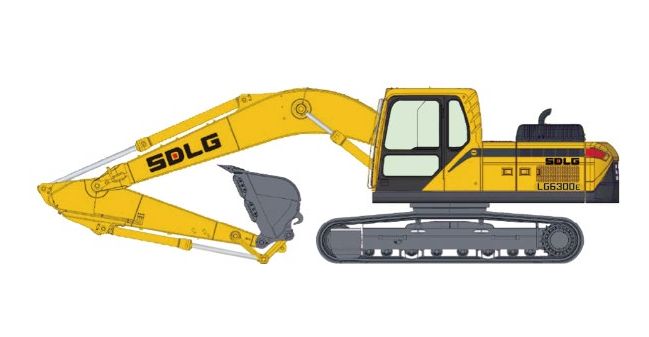
Excavators remain essential for trenching, grading, and removing dense soil. Choose a machine with enough digging depth and hydraulic power for your project. A compact excavator works well around buildings and narrow access points. Larger excavators handle deep foundations and heavy rock more efficiently. Bucket size matters. An oversized bucket can strain the machine and slow cycle times.

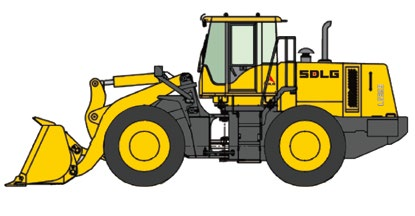
For loading, wheel loaders offer strong visibility, fast travel, and useful reach. They can move aggregate from stockpiles into trucks with fewer passes. Skid steer loaders provide better maneuverability on tight sites. Their attachments support cleanup, light grading, and material handling. For hauling, articulated dump trucks perform well on uneven ground. Rigid dump trucks suit larger sites with stable haul roads. Tire condition, payload ratings, and braking performance deserve careful inspection.

Tips: Match each vehicle to the soil, distance, and daily workload. Check service records before buying used equipment. Inspect pins, hydraulic lines, tires, and bucket edges. Measure the loading height carefully. A machine that looks powerful may still waste fuel during short cycles.

Field conditions often change faster than planned. Rain can turn a reliable haul route into deep mud. I have seen teams choose maximum capacity, then lose time because the site could not support it. That mistake is easy to repeat. A balanced fleet usually outperforms one oversized machine. Operator comfort also affects accuracy, fatigue, and long-term productivity.

What Are the Top Construction Vehicles to Buy? - Top Construction Vehicles for Excavation, Loading, and Hauling

Vehicle Type Primary Work Typical Operating Weight Typical Engine Power Typical Bucket or Bed Capacity Best Applications Buying Priority
Crawler Excavator Digging, trenching, lifting, and material handling 15–35 t 90–220 kW 0.5–2.0 m³ bucket Foundations, utility trenches, roadwork, quarrying, and site preparation Essential
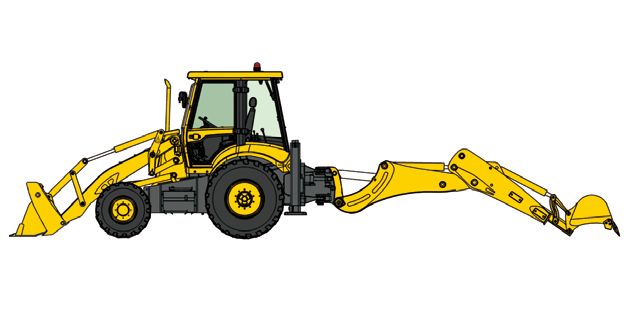
Backhoe Loader Excavating, loading, backfilling, and light lifting 7–12 t 55–100 kW 0.15–0.35 m³ rear bucket
0.7–1.2 m³ loader bucket
Urban utilities, landscaping, small building sites, and maintenance work High
Mini Excavator Compact excavation and precise trenching 1–8 t 10–50 kW 0.02–0.30 m³ bucket Residential construction, landscaping, indoor demolition, and confined spaces High
Wheel Loader Loading, stockpiling, and short-distance material movement 10–30 t 120–250 kW 1.5–5.5 m³ bucket Aggregate yards, construction sites, recycling facilities, and quarry loading Essential
Skid-Steer Loader Compact loading, grading, sweeping, and attachment work 2.5–5 t 35–75 kW 0.3–0.8 m³ bucket Site cleanup, grading, demolition, snow removal, and material handling High
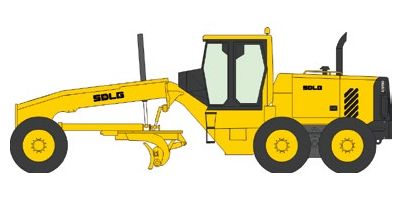
Motor Grader Fine grading, leveling, ditch shaping, and road maintenance 12–20 t 110–190 kW 3.0–4.3 m moldboard Road construction, drainage profiles, shoulders, and final site grading Specialized
Articulated Dump Truck Hauling earth, rock, aggregates, and construction waste 25–55 t 250–500 kW 15–40 t payload Large earthworks, quarries, mines, road construction, and rough terrain Essential for large sites
Rigid Dump Truck High-volume hauling on prepared haul roads 35–200 t 300–1,000 kW 30–150 t payload Open-pit mining, major quarries, and large-scale bulk excavation Specialized
Compact Track Loader Loading, grading, excavation, and work on soft ground 4–7 t 45–85 kW 0.35–0.80 m³ bucket Landscaping, site preparation, utility work, and muddy or low-bearing surfaces High
Telescopic Handler Lifting, placing, and transporting materials at height 7–16 t 55–130 kW 2.5–5.0 t rated lift Building construction, roofing, masonry, warehouse work, and material placement High

Note: Specifications are representative ranges for commonly used construction equipment classes. Actual capacity, power, operating weight, and payload vary according to configuration, attachments, terrain, and local operating requirements.

Essential Machines for Lifting, Grading, and Site Preparation

Choosing the top construction vehicles starts with site tasks, not horsepower. For lifting, a telehandler provides reach for pallets, steel, and formwork. An excavator handles trenching, digging, and controlled backfilling. A wheel loader moves aggregate quickly across short distances.

The U.S. Census Bureau reported that American construction spending exceeded 2 trillion dollars in 2024. That scale supports versatile equipment, but versatility cannot replace careful capacity calculations.

For grading and site preparation, a motor grader creates accurate slopes and drainage paths.

A compact track loader works well around foundations, tight access points, and uneven ground. A dozer remains valuable for stripping soil, cutting rough grades, and pushing fill. The Associated General Contractors’ 2024 workforce survey found that 94% of contractors struggled to fill craft positions.

Simple controls and attachments therefore matter. Less training time can protect productivity, although operators still need proper instruction.

Fuel use deserves equal attention.

The 2023 Global Status Report for Buildings and Construction, published by UNEP and the GlobalABC, links the sector to 34% of global energy demand and 37% of energy-related emissions. Efficient engines, idle controls, and correctly sized machines can reduce waste.

Bigger is not always better. A large loader may sit idling beside a narrow trench, burning money. That assumption deserves challenge.

Measure twice.

A practical buying plan should compare rated capacity, operating weight, service access, attachment compatibility, and expected ground conditions. Some choices will still be imperfect, especially when weather changes the site overnight.

How to Compare Construction Vehicle Costs, Features, and Performance

What Are the Top Construction Vehicles to Buy?

Comparing construction vehicle costs requires more than checking the purchase price. EquipmentWatch’s 2024 Rental Rate Blue Book separates ownership, operating, and rental costs. Use those benchmarks to estimate hourly expenses, then add financing, insurance, transport, and maintenance. Regional rates can differ sharply. A spreadsheet can still mislead.

Match the machine to the worksite. Excavators suit deep trenching, while wheel loaders move bulk materials quickly. Compact loaders offer easier transport and lower site impact. Compare rated operating capacity, hydraulic flow, digging depth, turning radius, and attachment compatibility.

Small details matter. A wider bucket may improve output, but it can increase fuel use and tire wear.

Performance should be measured through completed work, not advertised horsepower. The U.S. Energy Information Administration’s diesel reports show regular fuel-price movement, so model several fuel-cost scenarios. Track idle time, cycle time, breakdown frequency, and daily production during a real project. Telematics can help, but recorded data may be incomplete or poorly interpreted. The most expensive machine is not always the strongest choice. An older unit with verified service records may outperform a newer one with uncertain maintenance. Review total cost per productive hour before buying.