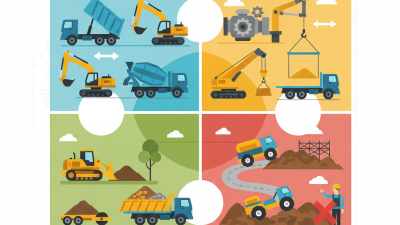
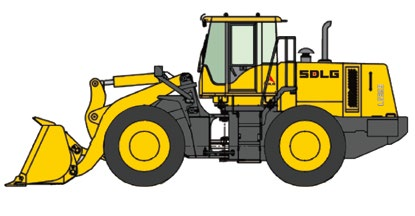
Choosing the right Construction Machines can shape a project’s safety, productivity, and long-term cost. A powerful excavator may impress on paper, yet poor service access can create expensive delays on a remote site. This guide examines ten machines available in markets worldwide, from excavators and wheel loaders to cranes, graders, and compact track loaders.
The selection considers working capacity, fuel or battery use, operator visibility, attachment flexibility, maintenance access, and local support. It also considers ground conditions. A crawler excavator that performs confidently in wet clay may be excessive for a compact urban renovation. Small details matter. A clear cab view, comfortable controls, and quick filter replacement can influence an entire shift.
Jim Umpleby, Caterpillar’s chairman and chief executive officer, has said, “We are focused on helping our customers build a better world.” That idea gives this ranking a practical direction. The best machine is not always the largest or newest model. It should match the job, the operator, the site, and the available service network.
Real-world ownership is less polished than a brochure suggests. Fuel prices change. Parts can arrive late. Battery performance may vary in cold weather. Some comparisons also depend on regional specifications, so this list cannot fit every operation perfectly. It is a starting point, not a final purchasing decision. Buyers should verify dealer support, safety features, operating requirements, and total ownership costs before signing an order. The following choices highlight machines that combine useful performance with proven versatility across demanding construction environments.
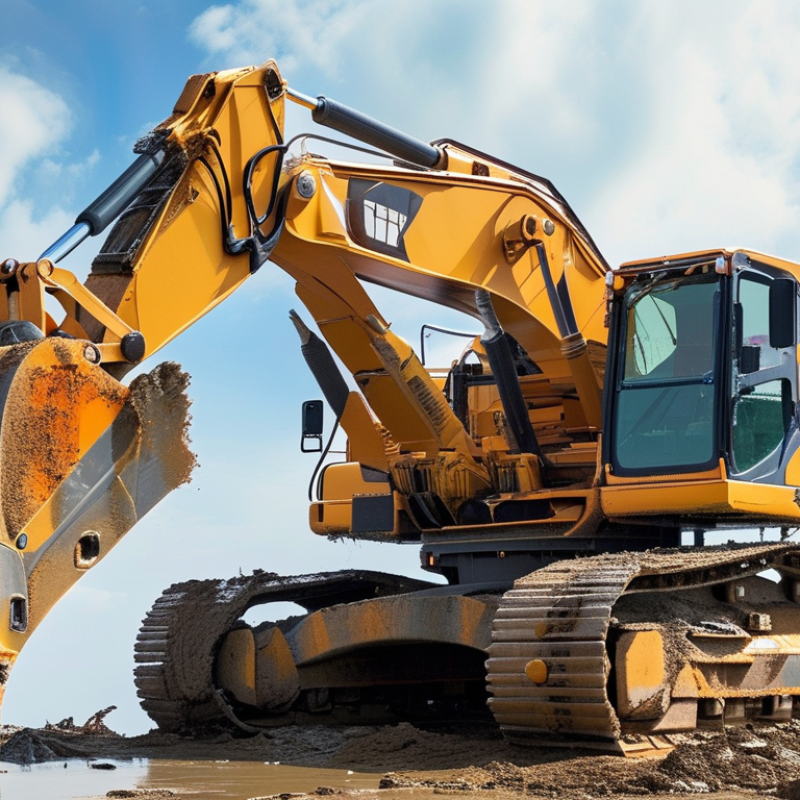
The top ten machine categories include excavators, wheel loaders, bulldozers, graders, backhoe loaders, cranes, telehandlers, dump trucks, pavers, and rollers. Each serves a distinct site purpose. Excavators dig foundations, while graders shape precise road surfaces. Rollers compact soil and asphalt beneath vibrating steel drums. The right choice depends on ground conditions, project scale, materials, and transport limits. Fit matters.
Global construction demand is expanding, but efficiency deserves equal attention. The International Energy Agency reported that buildings and construction produced about 37% of global energy and process-related emissions in 2022. This figure supports careful equipment selection, not automatic replacement. Buyers should compare fuel or electricity use, operating hours, hydraulic efficiency, noise, and emissions compliance. A smaller machine can outperform a larger one on restricted urban sites.
Total cost matters more than the purchase price. Evaluate productivity per hour, attachment compatibility, tire or track wear, maintenance access, spare-parts availability, and operator training. The World Bank’s Logistics Performance Index highlights how transport reliability affects delivery networks, especially across developing markets. Local service capacity can therefore influence uptime more than a brochure specification. Cheap is not cheap. A common weakness is trusting catalogue power ratings without testing real soil, gradients, and cycle times. Arrange a controlled site trial, record actual output, and review the decision before ordering multiple units.
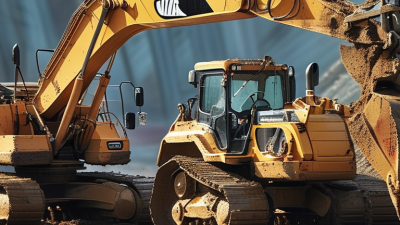
Modern construction projects depend on machines that improve speed, control, and worker safety. An excavator handles trenching, foundation digging, and broken concrete. A bulldozer moves soil across rough ground. Wheel loaders carry aggregates into trucks or hoppers. Backhoe loaders suit smaller sites and changing tasks. These machines often work well together. However, buying the largest model is not always wise. Fuel use, transport limits, and operator skill can change the real value.
A motor grader creates accurate slopes before paving begins. Cranes lift structural materials when reach and load control matter most. Forklifts or telehandlers move pallets across uneven surfaces. Concrete mixer trucks keep fresh concrete moving between the plant and placement area. A paving machine spreads asphalt at a steady width and depth.
Small errors become visible quickly. Operators should check ground stability, load charts, visibility, and emergency controls before each shift.
A compactor finishes the surface by reducing air gaps in soil or asphalt. It supports stronger roads, platforms, and foundations. From field experience, maintenance records often predict productivity better than glossy specifications. Daily inspections should cover tires, tracks, hydraulic lines, brakes, lights, and attachments. Training also matters. A skilled operator can protect a machine from costly misuse. Still, this list is not universal. Wet clay, steep access roads, limited power, or tight urban spaces may require fewer machines, different attachments, or rented equipment instead. Expect revisions. Construction conditions rarely follow the first plan.
Top 10 Construction Machines to Buy Worldwide
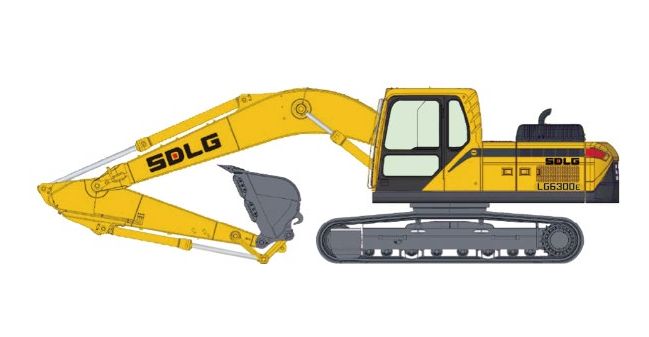
Excavators deliver powerful digging, trenching, and lifting performance. Typical operating weights range from 1.5 to 50 tonnes. Choose compact models for urban sites and larger units for deep foundations. Bulldozers spread soil and push debris with a front blade. Their 80–500 horsepower range suits roadwork, quarry preparation, and major earthmoving projects.
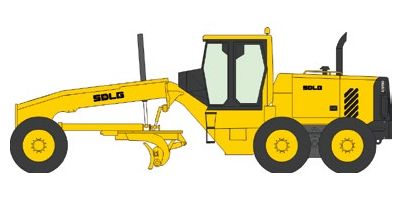
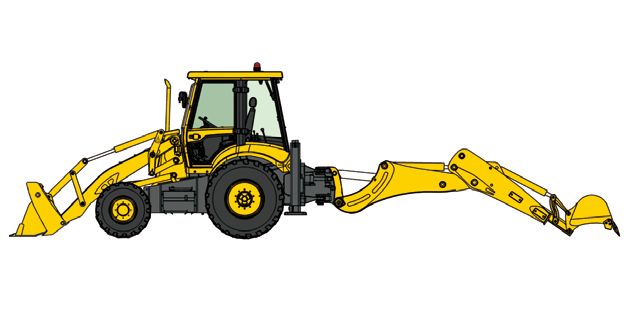
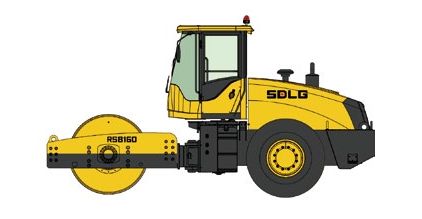
Wheel loaders move aggregate quickly, using buckets from 1 to 10 cubic metres. Backhoe loaders combine digging and loading in one flexible machine. Motor graders create accurate slopes, often with six-wheel drive and adjustable blades. Skid steer loaders offer tight turning and attachments for demolition, drilling, or surface cleaning. Telehandlers raise materials several metres and need careful load-chart checks. Mobile cranes handle heavy lifts, while dump trucks transport soil and rock across uneven ground. Soil compactors improve density through vibration or impact. Specifications vary by region and configuration, so published figures need verification.
Tips: Match machine capacity to the site, not the biggest available model. Check fuel use, hydraulic flow, ground pressure, and service access. Inspect cold-start behavior and tire or track wear. A perfect buying list does not exist. I would also leave room for operator skill, weather, and unexpected ground conditions. Always compare the technical manual with real project demands.
| No. | Machine Type | Main Functions | Typical Specifications | Suitable Applications | Key Buying Considerations |
|---|---|---|---|---|---|
| 1 | Hydraulic Excavator | Excavates soil and rock, loads trucks, digs trenches, removes materials, and supports demolition or foundation work with interchangeable attachments. |
Operating weight: approximately 15–45 tonnes Net power: approximately 90–300 kW Bucket capacity: approximately 0.5–3.0 m³ Maximum digging depth: approximately 6–12 m |
Mass excavation, road construction, quarrying, utility trenching, building foundations, land clearing, and demolition. | Check hydraulic flow, boom and arm configuration, bucket size, undercarriage durability, fuel efficiency, and attachment compatibility. |
| 2 | Crawler Dozer | Pushes, spreads, cuts, levels, and grades soil or aggregate using a front blade; tracks provide traction on soft or uneven ground. |
Operating weight: approximately 15–75 tonnes Net power: approximately 120–650 kW Blade capacity: approximately 3–18 m³ Maximum travel speed: approximately 10–14 km/h |
Bulk earthmoving, site preparation, road formation, mining, landfill operations, slope shaping, and land reclamation. | Select blade type, drawbar pull, ground pressure, ripper configuration, undercarriage design, and machine size according to soil conditions. |
| 3 | Wheel Loader | Loads, transports, stockpiles, and handles bulk materials with a front-mounted bucket or specialized attachment. |
Operating weight: approximately 10–35 tonnes Net power: approximately 100–350 kW Bucket capacity: approximately 1.5–7.0 m³ Tipping load: approximately 5–25 tonnes |
Aggregate handling, quarrying, truck loading, asphalt plant supply, waste management, snow removal, and material stockpiling. | Evaluate bucket breakout force, lift height, turning radius, transmission type, tire size, payload, and cycle time. |
| 4 | Motor Grader | Performs precise grading, leveling, ditch shaping, surface maintenance, and fine finishing with an adjustable moldboard. |
Operating weight: approximately 12–25 tonnes Net power: approximately 100–250 kW Moldboard length: approximately 3.7–4.9 m Maximum grading depth: approximately 0.6–0.9 m |
Road construction, highway maintenance, airport runways, drainage channels, construction-site leveling, and gravel-road maintenance. | Consider blade reach, articulation angle, circle-turning capability, steering configuration, automatic grade-control readiness, and visibility. |
| 5 | Backhoe Loader | Combines a front loader for material handling with a rear excavator for digging, trenching, lifting, and light demolition. |
Operating weight: approximately 7–12 tonnes Net power: approximately 55–95 kW Loader bucket capacity: approximately 0.8–1.3 m³ Maximum digging depth: approximately 4.5–6.5 m |
Utility installation, small foundations, landscaping, municipal maintenance, farm construction, road repairs, and general contracting. | Review digging depth, hydraulic performance, four-wheel-drive capability, stabilizer design, transport dimensions, and attachment options. |
| 6 | Crawler Crane | Lifts and places heavy components using a lattice or telescopic boom while crawler tracks provide stability and mobility on prepared ground. |
Rated lifting capacity: approximately 50–600 tonnes Main boom length: approximately 20–120 m Maximum lifting height: approximately 40–150 m Travel speed: approximately 0.5–2.5 km/h |
Wind-turbine erection, bridge construction, industrial installation, precast concrete placement, port work, and large infrastructure projects. | Assess load charts, ground-bearing pressure, boom configuration, counterweight requirements, transport logistics, and assembly space. |
| 7 | Mobile Crane | Provides roadable lifting capability with a telescopic boom mounted on a wheeled carrier; supports rapid movement between job sites. |
Rated lifting capacity: approximately 25–300 tonnes Telescopic boom length: approximately 20–80 m Maximum lifting height: approximately 25–100 m Road travel speed: up to approximately 80 km/h |
Building construction, bridge work, utility projects, maintenance shutdowns, urban lifting, steel erection, and emergency operations. | Check axle loads, road regulations, outrigger footprint, boom reach, lifting radius, counterweight system, and site access limitations. |
| 8 | Articulated Dump Truck | Hauls large quantities of soil, rock, ore, and construction waste across rough, muddy, or uneven terrain. |
Payload capacity: approximately 25–60 tonnes Engine power: approximately 250–600 kW Heaped body capacity: approximately 15–40 m³ Maximum travel speed: approximately 45–60 km/h |
Large earthmoving, mining, quarrying, dam construction, tunnel spoil removal, road projects, and remote-site material transport. | Compare payload-to-weight ratio, traction, articulation angle, dump-body design, retarder performance, tire costs, and terrain adaptability. |
| 9 | Skid-Steer Loader | Performs compact loading, grading, digging, sweeping, drilling, milling, and material handling in confined spaces with a wide range of attachments. |
Operating weight: approximately 2.5–5.5 tonnes Net power: approximately 45–75 kW Rated operating capacity: approximately 0.7–1.8 tonnes Auxiliary hydraulic flow: approximately 60–150 L/min |
Urban construction, landscaping, interior demolition, utility work, snow removal, agricultural projects, and small-site material handling. | Consider rated operating capacity, lift path, auxiliary hydraulic flow, width, ground clearance, cab visibility, and attachment availability. |
| 10 | Vibratory Soil Compactor | Compacts soil, gravel, and granular materials through static weight and vibratory drum forces to improve density and load-bearing capacity. |
Operating weight: approximately 8–20 tonnes Net power: approximately 75–180 kW Drum width: approximately 1.7–2.2 m Vibratory frequency: approximately 25–40 Hz |
Road bases, embankments, building pads, dams, airport construction, utility backfill, and large-area earthwork. | Match drum type to material, verify centrifugal force, amplitude settings, compaction width, water-spray capacity, and onboard density-monitoring systems. |
Choosing construction equipment requires more than comparing purchase prices. A tracked excavator delivers strong digging power on uneven ground, while a wheel loader moves materials faster across firm surfaces. Bulldozers provide pushing force, but their fuel use can rise sharply during long shifts. Motor graders improve road accuracy, although skilled operators remain essential.
Backhoe loaders combine digging and loading in smaller projects. Skid steer loaders offer excellent maneuverability in crowded areas. Telehandlers improve lifting productivity, especially on building sites. Cranes handle heavy loads efficiently, but ground stability and load planning cannot be ignored. Articulated dump trucks perform well on rough terrain. Asphalt pavers and compactors help create consistent road surfaces when properly matched.
Operating cost includes fuel, tires, scheduled maintenance, downtime, and operator training. A cheaper machine may become expensive after repeated hydraulic repairs. Keep detailed service records. Small warning signs matter. Safety features should include clear visibility, stable access points, emergency controls, and reliable braking systems. Durability depends on frame strength, component protection, and maintenance discipline, not age alone.
Field trials often reveal more than brochures. Test machines under real soil, weather, and workload conditions. Productivity figures can change dramatically between sites. A perfectly maintained older machine may outperform a neglected newer one. This comparison is useful, but not flawless; local parts availability and technician skill can alter the final decision.
Choosing construction machinery for global use requires more than comparing horsepower and purchase prices. A machine must match local soil, project scale, climate, transport limits, and operator skills. Excavators, loaders, cranes, graders, and compactors perform differently on wet ground, steep roads, or crowded urban sites. A perfect machine does not exist.
Start with the work cycle. A 20-ton excavator may handle deep trenching efficiently, but it can be wasteful on small residential projects. Measure twice. Check rated capacity, hydraulic response, fuel consumption, ground pressure, and attachment compatibility. In hot regions, cooling performance matters. In cold areas, reliable starting and hydraulic oil selection become critical. Dusty sites demand strong filtration and simple cleaning access.
Inspect service records before buying used equipment. Look for oil leaks, uneven track wear, cracked welds, damaged pins, and warning lights that were ignored. I have seen attractive machines lose weeks of productivity because replacement parts were difficult to obtain. That risk deserves more attention. Confirm local technical support, parts availability, warranty terms, operator training, and safety documentation. The machine should also meet applicable emissions, noise, transport, and workplace requirements in its destination country. A lower price is not a saving when repairs, shipping delays, or unfamiliar controls keep the machine idle.