Top Machinery Line Options for Global Buyers to Consider?
The global market for machinery line options has never been more dynamic. Buyers face numerous choices, each with unique benefits and challenges. Understanding these options is crucial for informed decision-making.
Machinery lines vary in quality, technology, and usability. Factors like efficiency, maintenance requirements, and cost significantly influence the selection process. It is important to evaluate each option carefully. Some products may promise high performance but may lack durability. Well-established brands often provide reliable support and warranty services. However, newer companies might offer innovative solutions at competitive prices.
Buyers should not overlook the importance of industry standards and certifications. These indicate a product's reliability and safety. Conducting thorough research and consulting with industry experts can aid in navigating this complex landscape. Ultimately, selecting the right machinery line is a balance between immediate needs and long-term sustainability. This process requires careful consideration and reflection on both current trends and future demands.
Top Machinery Line Options for Global Buyers to Consider
When exploring machinery line options, global buyers face a multitude of choices. Each option presents its unique set of features and capabilities. Understanding these can be overwhelming but is critical for informed decisions. Buyers should consider factors like efficiency, durability, and cost-effectiveness.
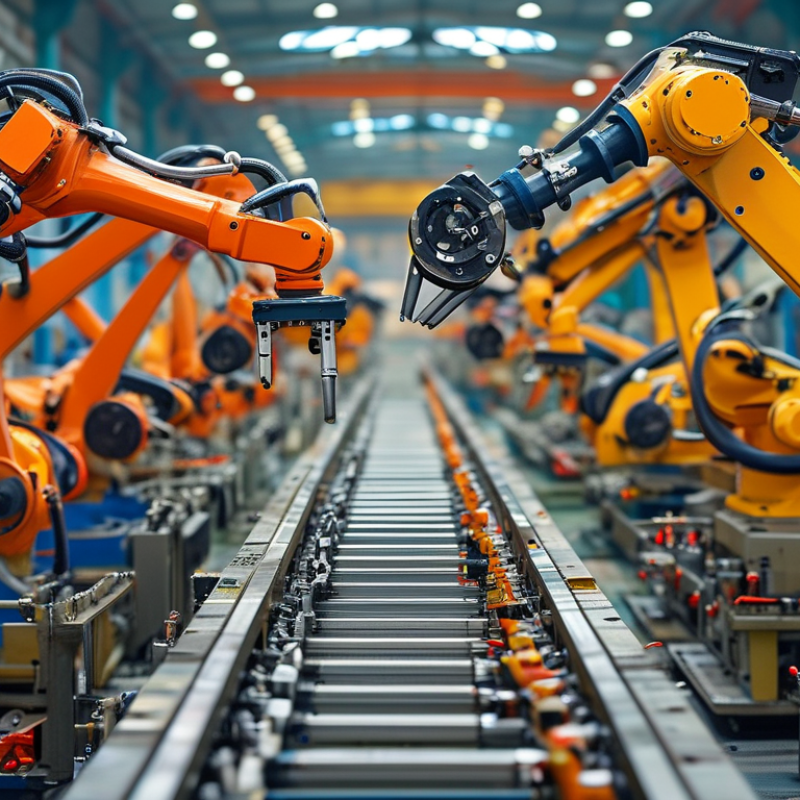
Different machinery lines cater to various industries. Some are designed for heavy-duty tasks, while others serve precision-driven applications. For instance, production lines can vary greatly in automation levels. High automation reduces labor costs but may require a hefty initial investment. It's crucial to weigh the long-term benefits against upfront costs.
Buyers often overlook the importance of after-sales support. This reflects the reliability of the machinery and the manufacturer’s commitment. Delays in maintenance can lead to production halts, emphasizing the need for strong support structures. These elements are as vital as the machinery itself. Balancing these considerations can lead to more effective purchasing choices.
Factors Influencing the Choice of Machinery Lines for Buyers
Choosing the right machinery line is crucial for global buyers. Various factors influence this decision, including efficiency, cost, and adaptability. The machinery's performance can dictate production output. If the machinery is inefficient, it may lead to increased operational costs. Buyers need to closely evaluate the specific needs of their production processes before making decisions.
**Tips:** Conduct thorough research. Understanding market demands can guide buyers toward the best machinery options. Engage with industry experts. Their insights can help clarify complex features and potential limitations.
Another significant factor is the availability of parts and service support. Machinery downtime can be costly. Buyers should consider suppliers that offer reliable after-sales service. This aspect often gets overlooked but is essential for sustainable operations. An efficient supply chain can ensure parts are available when needed.
**Tips:** Always request detailed documentation. This helps in understanding both the machine’s specifications and potential maintenance requirements. A clearer picture can prevent future challenges.
Top Machinery Line Options for Global Buyers
Comparative Analysis of Popular Machinery Lines Worldwide
When examining popular machinery lines globally, several factors come into play. These include functionality, durability, and cost-effectiveness. Buyers are often drawn to machines that not only meet their production needs but also align with their budgetary constraints.
A comparative analysis reveals a variety of options. Some machinery is known for its advanced technology, ensuring high efficiency and less downtime. Others might lack the latest features but offer robust reliability. It's essential for buyers to weigh these aspects carefully to avoid costly mistakes. Investing in a machine that becomes obsolete too quickly can lead to regret.
Feedback from industry professionals shapes these insights. Many acknowledge that surface-level comparisons often miss deeper issues, like maintenance and support. While some lines may promise more, they may not deliver quality after sale. Understanding the long-term costs and benefits can help buyers make more informed decisions.
Top Machinery Line Options for Global Buyers to Consider
| Machinery Line |
Type |
Common Applications |
Average Price Range (USD) |
Market Demand (Rating out of 5) |
| Heavy Construction Equipment |
Excavators |
Construction, Mining |
$100,000 - $500,000 |
4.5 |
| Agricultural Equipment |
Tractors |
Farming, Landscaping |
$20,000 - $200,000 |
4.8 |
| Manufacturing Machinery |
CNC Machines |
Metalworking, Fabrication |
$50,000 - $300,000 |
4.6 |
| Material Handling Equipment |
Forklifts |
Warehousing, Logistics |
$15,000 - $100,000 |
4.2 |
| Construction Machinery |
Concrete Mixers |
Construction, Road Projects |
$10,000 - $150,000 |
4.3 |
Emerging Trends in the Machinery Line Sector
The machinery line sector is evolving rapidly, driven by technology and changing market demands. Global buyers are now looking for more than just traditional machines. They want smart solutions that enhance productivity. Automation is becoming a standard feature. Machines now often include advanced sensors and AI. These innovations help predict maintenance needs, reducing downtime.
Sustainability is another key trend. Buyers are seeking energy-efficient options to cut costs and minimize environmental impact. This shift is challenging manufacturers to innovate. They must balance efficiency with responsible production. Some companies are experimenting with sustainable materials. Others focus on reducing waste during the manufacturing process. The machinery market is beginning to reflect these environmental values.
However, navigating these trends is not without challenges. Buyers may struggle to find reliable suppliers that meet these new standards. Information overload can also hinder decision-making. It’s essential for buyers to research thoroughly and compare options. While technology offers great promise, it also requires careful consideration. The future of machinery is bright, but it demands thoughtful engagement from all stakeholders.
Key Manufacturers and Suppliers in the Global Machinery Market
When navigating the global machinery market, buyers should focus on reliable manufacturers and suppliers. Research by Industry Research Institute indicates that the machinery market is projected to reach $10.6 trillion by 2025, driven by industrial automation and green technology advancements. Identifying key players in this vast sector can offer crucial insights into the latest trends and innovations.
Several top manufacturers are noted for their robust supply chains and innovative designs. These companies continuously adapt to market demands. However, potential buyers should analyze not only the quality of the machinery but also the suppliers' customer service and support. Poor after-sales service can lead to significant operational downtime, a risk worth considering.
Tips: Always request references to understand a supplier's reliability. Attend industry trade shows. This offers direct access to product demonstrations and expert consultations. Additionally, do thorough research about the machinery's lifecycle and potential maintenance costs. Overlooking these factors can lead to unexpected expenses and challenges down the line.

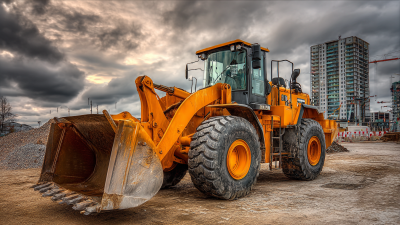
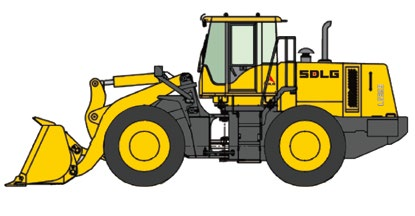 Wheel Loader
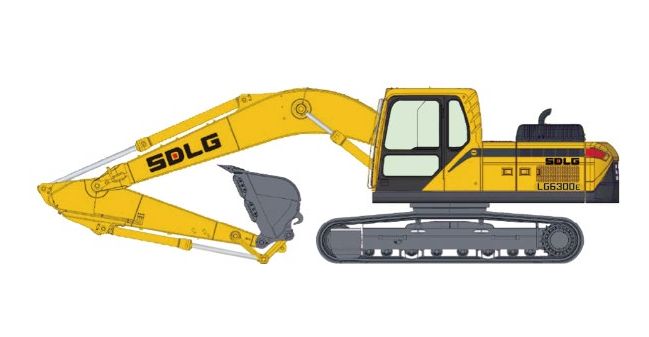 Excavator
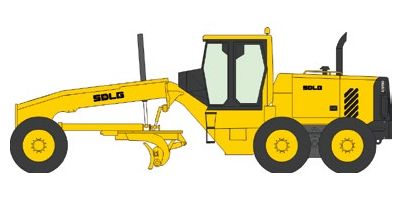 Motor Grader
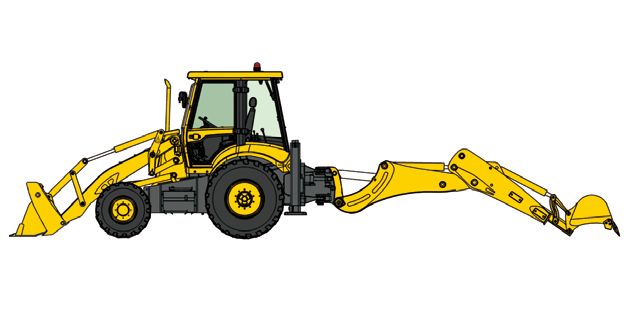 Backhoe Loader
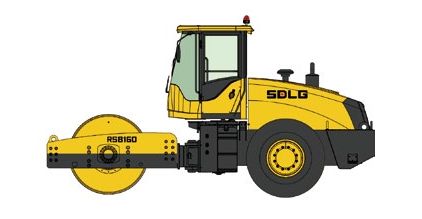 Road Roller
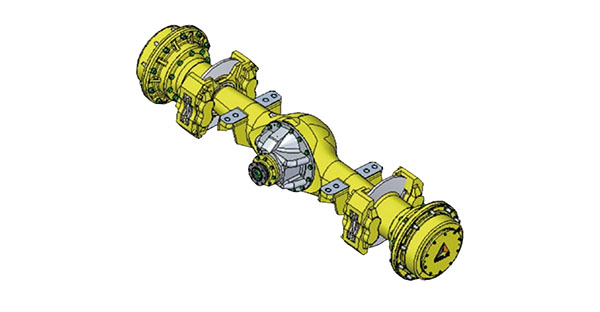 Spare Parts