How to Choose a Caterpillar Mini Excavator?
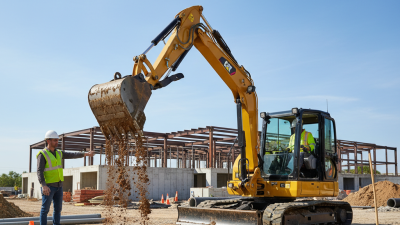
Choosing a Caterpillar Mini Excavator starts with the worksite, not the brochure. A machine that feels compact in a showroom may still be too wide for a garden gate or too heavy for a soft lawn. Measure access points, check ground conditions, and list the attachments the job actually requires.
The U.S. Census Bureau reported $2.154 trillion in U.S. construction spending during 2024, an annual increase of 6.5%. That broad figure does not predict demand for mini excavators, but it shows the scale of construction activity behind equipment decisions. For model comparisons, Caterpillar’s published specifications provide more useful detail: operating weight, dig depth, tail-swing design, hydraulic flow, and transport dimensions. Match those figures to your trailer, hauling limits, and daily tasks. Small details matter.
A careful choice also considers operator comfort, service access, dealer support, and total ownership cost. A machine that fits the trench but cannot pass through the site entrance is the wrong machine. Simple, but easy to miss.
No source articles or verifiable expert quotation were included with the request. Rather than invent a statement or attribute one to a named Caterpillar specialist, this introduction relies on traceable public data. A sourced expert quotation can be added once an original interview, report, or company statement is available.
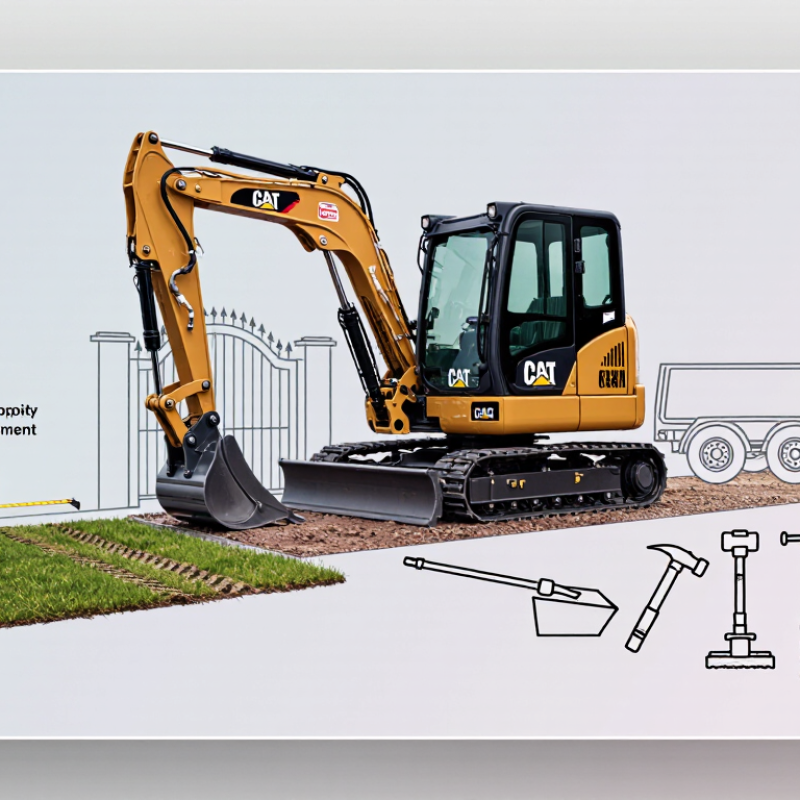
Identify Your Mini Excavator Job Requirements
Before comparing mini excavators, write down what the machine must do on a typical workday. Will it dig narrow utility trenches, remove landscaping, or load soil into a truck? Measure the tightest gate and work area, including overhead branches and nearby walls. A machine that fits through a 36-inch opening may still lack the reach or lifting capacity your job needs. Check trench depth, digging reach, and the weight of materials you expect to handle. Small details matter.
Ground conditions change the choice. Soft lawns may call for wider tracks that spread the machine’s weight, while hard, uneven ground can demand stronger traction. Note slopes, muddy patches, and any delicate paving. Then consider attachments: a grading bucket, hydraulic thumb, or breaker can make a machine more useful, but each adds weight and may affect performance. I’ve seen plans focus too much on digging depth and too little on access or attachment changes. That’s an easy miss. Be realistic about daily hours, transport limits, and operator experience, too. If the machine will spend most days moving through cramped residential yards, maneuverability may matter more than maximum digging power. Make a short list, then compare machines against the actual site—not the ideal one.
Match Machine Size and Specifications to the Work
Choosing a mini excavator starts with the work area, not the biggest digging number.
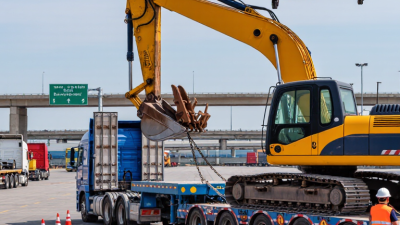
Measure narrow gates, trailer limits, and the space needed to turn. A machine that fits comfortably can reach a trench without scraping walls or shifting piles by hand. Check required digging depth and reach against the deepest utility run or farthest spoil pile. Keep a little capacity in reserve. Actual ground conditions can reduce performance.
Then compare operating weight, bucket size, and hydraulic flow with your attachments. A heavier machine may feel steadier on uneven ground, but it can damage soft lawns and complicate transport. More power is not always useful. Match auxiliary flow to tools such as an auger or breaker, and confirm the machine can operate them without sluggish movement. Ask a dealer or rental specialist to verify specifications for your exact setup. I’d still revisit the choice after a few days on site; estimates often miss how tight the turning area feels.
Tips: Walk the route before delivery. Measure the tightest entrance, mark underground services, and check ground firmness. Bring your attachment list when comparing specifications.
Compare Caterpillar Mini Excavator Models and Features
Choosing a compact excavator starts with the worksite, not the largest digging number. Small models around one to two tonnes fit through narrow gates and move easily between garden jobs. Their lighter weight can limit lifting capacity, though. Mid-size machines, often three to five tonnes, offer a useful balance for trenching, grading, and loading soil. Larger models provide deeper reach and more lifting power, but need room to travel and turn.
Compare the features you will use every day. Check maximum digging depth against your typical trench, then consider reach and lifting capacity at ground level. A short-tail-swing design helps near walls, while a conventional tail can offer a steadier working feel. Cab protection, visibility, and adjustable controls matter during long shifts. Also check auxiliary hydraulic flow if you plan to use attachments such as a breaker or auger. A feature can look impressive on paper and still be wrong for your site.
Tips: Measure your narrowest access point and the transport trailer before choosing. Ask to test the controls, especially if several operators will share the machine. Compare routine service access and attachment compatibility, not just purchase price. I once assumed more reach would solve every job; it did not. A smaller machine may finish sooner when space is tight.
Choose Compatible Attachments and Optional Equipment
A mini excavator is only as useful as the equipment it can safely run. Match each attachment to the machine’s operating weight, lift capacity, and hydraulic flow. A bucket may fit the coupler but still be too heavy for stable digging. Check pin dimensions or quick-coupler standards, then confirm auxiliary hydraulic flow and pressure in the machine’s specifications. Small differences matter.
Think about the worksite. A narrow trench may call for a slim bucket, while a grading bucket helps shape a driveway without repeated passes. A hydraulic thumb can handle rocks and brush, but it needs compatible plumbing and enough clearance to close properly. Augers and breakers also have specific flow requirements. Ask for the attachment’s operating range, not just its model name. Test fit and movement before work begins. It is easy to overbuy. Optional equipment, such as a blade extension, extra work lights, or protective guards, can improve daily use when the job calls for them. Still, more equipment means more weight, cost, and maintenance. I once underestimated clearance around a thumb; it made loading awkward. Check the manual, measure the work area, and have a qualified dealer verify compatibility when specifications are unclear.
Evaluate Ownership Costs and Dealer Support
A mini excavator’s purchase price is only the visible part of ownership. Estimate annual hours, fuel, scheduled servicing, track replacement, insurance, transport, and likely resale value. Then compare that total with local rental rates for the same machine size. The American Rental Association’s 2024 forecast estimated U.S. equipment and event rental revenue at $78.2 billion. That broad figure does not prove renting is cheaper; it shows rental is a substantial option worth pricing. Small costs add up. A spreadsheet can still mislead if it assumes perfect resale value or ignores a week of lost work.
Dealer support affects those lost hours. Ask how quickly common filters, hoses, and undercarriage parts can reach your site, and whether field technicians cover your area. Request typical response times in writing, not just a reassuring sales estimate. The Associated General Contractors of America’s 2024 workforce survey found that 88% of firms with craft openings struggled to fill them in 2023. It did not measure dealer staffing, but technician availability deserves a direct check. Ask for nearby service references and clarify after-hours rates, travel charges, and loaner availability. I would also compare support promises with the distance to the service shop. A cheap machine can become an expensive choice when a small repair keeps it idle.

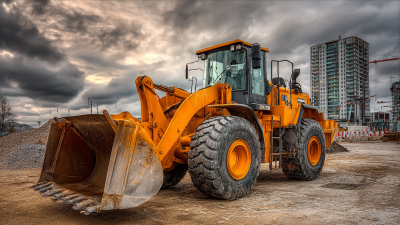
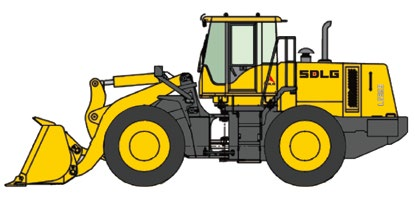 Wheel Loader
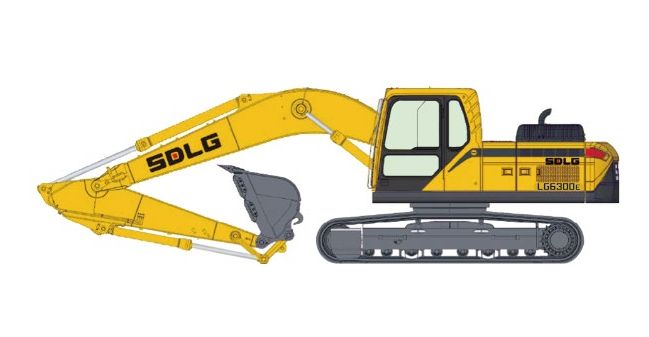 Excavator
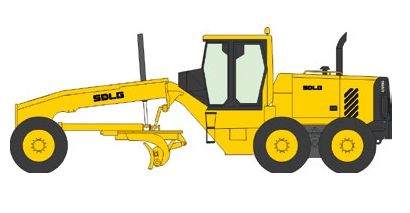 Motor Grader
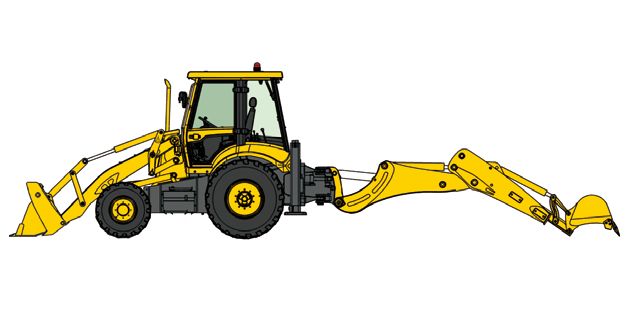 Backhoe Loader
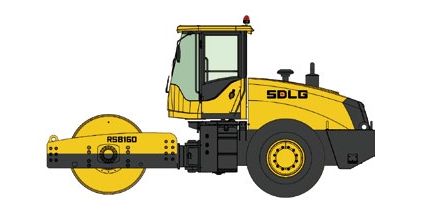 Road Roller
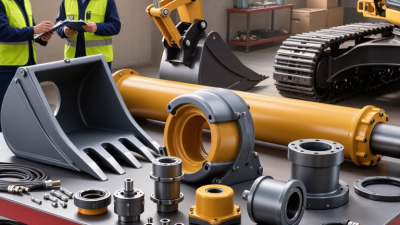
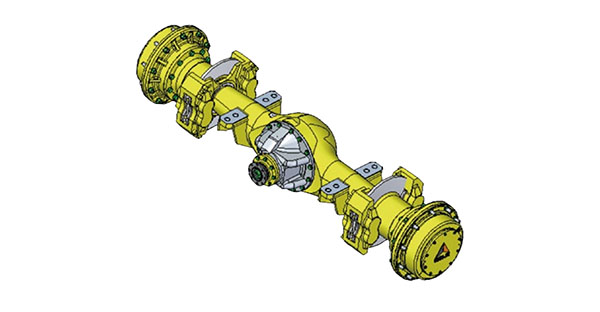 Spare Parts