Choosing Heavy Equipment Movers is not just a price comparison. A $200,000 excavator may need a lowboy trailer, route checks, permits, and careful loading. One overlooked bridge clearance or loose chain can disrupt the entire project. The American Trucking Associations’ 2024 American Trucking Trends reports that trucks carried about 11.3 billion tons of freight in 2022. That figure covers trucking broadly, not heavy equipment alone, but it shows how much business depends on dependable transport.
Details matter.
Logistics scholar Martin Christopher describes a supply chain as “the network of organizations” involved in creating and delivering value. For heavy machinery, that network includes the carrier, dispatcher, loading crew, and receiving site. Ask who checks the route, secures the load, and keeps you informed when plans change. Request proof of relevant experience, appropriate insurance, equipment capacity, and a written scope of service. Then compare like with like: a low quote may exclude loading, escorts, or site delays.
Still, paperwork cannot guarantee a smooth delivery. A carrier may look capable on paper, while a muddy access road changes everything. Share the machine’s dimensions, weight, pickup conditions, and delivery constraints before booking. Ask for a clear contingency plan, too. This guide will help you assess those answers and choose a mover whose preparation matches the risks of your shipment. One thing is easy to miss: the best choice is not always the cheapest, and even a careful selection deserves a final check before loading.
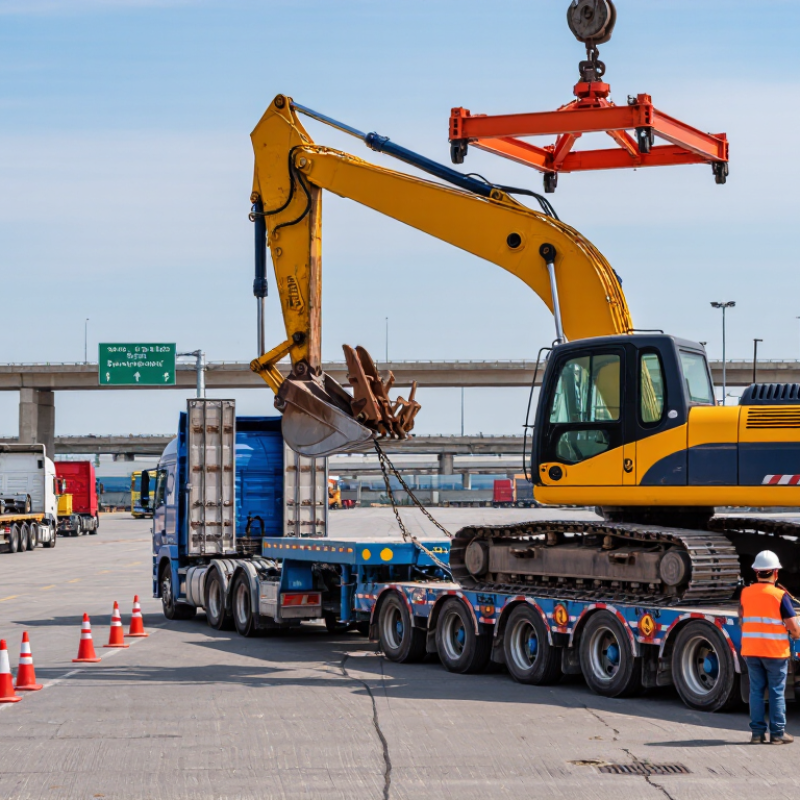
Before requesting a quote, record the machine’s transport-ready weight and dimensions, including attachments, buckets, counterweights, and folded booms. Measure it loaded. Note track width, ground clearance, lifting points, and where the center of gravity sits. These details affect trailer selection, loading, securement, and unloading.
A machine measured without its attachment can look manageable on paper, then exceed the planned width. Small details matter. Also confirm whether the site has firm ground, room to turn, and a safe loading area.
Map the route against bridge clearances, weight restrictions, steep grades, tight turns, and construction zones. Check delivery timing and any required permits or escorts with the mover.
The Federal Highway Administration’s Freight Facts and Figures 2022 projects U.S. freight tonnage to grow from 19.3 billion tons in 2020 to 28.7 billion by 2050, a reminder that route and scheduling constraints deserve early attention.
ATRI’s 2024 Analysis of the Operational Costs of Trucking reports an average trucking cost of $2.27 per mile for 2023. That is a broad trucking benchmark, not a heavy-haul quote; oversized loads can cost much more. Treat estimates cautiously.
Share photos, machine specifications, and pickup-site details, then ask the carrier to explain assumptions behind its route and price. A spreadsheet can still miss something; recheck measurements against the actual loaded configuration.
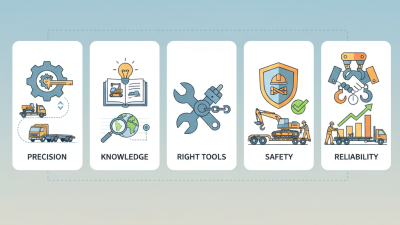
Before hiring a heavy equipment mover, confirm that its operating credentials match the route and transport service you need. Requirements can vary by jurisdiction, vehicle, and load. Ask for the company’s legal name and license numbers, then verify them with the relevant transport authority. A photocopy can look convincing. Check that the details are current and belong to the business you are hiring.
Request an insurance certificate directly from the insurer or broker, not only from the mover. Confirm the policy dates, coverage limits, and whether cargo damage is covered during loading, transit, and unloading. Ask about exclusions for oversized machinery, low-clearance routes, or equipment with existing damage. Details matter. A large policy limit may still leave a gap if the actual load or operation is excluded.
Review available safety records through the appropriate regulator, and ask about inspection results, reportable incidents, and corrective actions. Compare those details with the company’s own account. Records can be delayed or lack context, so one entry should not tell the whole story. Ask for recent procedures, such as how crews secure tracks and attachments before departure. Notice whether answers are specific, documented, and consistent. I would not treat tidy paperwork as proof of careful work; it is only one part of the check.
Reliable heavy equipment movers should prove they can match the machine to the right trailer, loading method, and route. Ask how they verify equipment weight, dimensions, axle distribution, and loading points before dispatch. A plan should account for bridge limits, overhead clearance, tight turns, road work, and local restrictions—not just the shortest distance.
Small details matter.
Ask for a route review that identifies approved alternatives and explains who checks changes during transit. A capable team should confirm permits and restrictions for each jurisdiction, then recheck conditions near departure. FHWA’s Freight Analysis Framework projects continued growth in freight movement, adding pressure to busy corridors.
For an oversized load, congestion can make a planned turn or staging stop impractical. Request a written route plan with clearance checks, fuel or rest stops, delivery access, and a contact for disruptions.
Weather can still upset the plan.
That is worth admitting.
A mover’s experience is clearest when staff can explain the trade-offs, show how they verify route data, and adjust without guessing.
Reliable heavy equipment moving starts with comparable quotes, not the lowest number. Ask each carrier to price the same machine, pickup and delivery points, dates, and loading requirements. The American Transportation Research Institute’s 2024 An Analysis of the Operational Costs of Trucking report put average trucking costs at $2.27 per mile in 2023. That figure is a broad operating benchmark, not a heavy-haul rate. Permits, route surveys, escorts, and specialized trailers can change a quote substantially. A cheap estimate may simply leave important work unpriced.
Compare the services line by line. Confirm who handles loading, tie-downs, route planning, and delivery access. Ask whether fuel, waiting time, tolls, and equipment dimensions are included. Then read the contract for cancellation charges, payment milestones, declared cargo value, and the claims process. Request written confirmation of insurance coverage and exclusions; a certificate alone may not explain what a policy covers. Details matter. I would not treat a polished quote as proof of a careful operator—paperwork can look reassuring while leaving a gap.
Tips: Send every bidder the same machine specifications and clear photos of loading areas. Ask for an itemized quote and a sample transport schedule. Compare the exclusions before comparing totals. If an answer sounds vague, ask for it in writing.
A reliable heavy equipment move begins with a schedule that names more than a pickup date. Ask for a loading window, estimated transit time, delivery window, and the person responsible for each update. Share the machine’s dimensions, operating weight, attachments, and site limits early. A low gate or soft ground can change the plan. Details matter. Get schedule changes in writing, including the reason and revised arrival estimate.
Before booking, agree on how communication will work while the equipment is in transit. Set one primary contact and a backup, then ask when updates will arrive and whom to call after hours. Messages at departure, key route points, and before arrival help prevent crews from waiting beside idle equipment. Confirm what happens if weather, traffic, or loading delays disrupt the window. Plans change. A firm promise without a contingency plan may not be reassuring.
Delivery procedures deserve the same attention. Confirm the entrance, unloading surface, required equipment, and whether a site contact must be present. Ask the mover to call before arrival and document the machine’s condition. Note visible damage or missing attachments on the delivery record, and keep photos with the paperwork. Read the record before signing; people can miss details when rushed. A schedule may look perfect on paper, but a locked gate can still cause an avoidable delay.