How to Choose the Best Crawler Crane for Your Project?
Choosing the right Crawler Crane for your project can significantly impact efficiency and safety. Industry expert, John Daniels, emphasizes that "not all Crawler Cranes are created equal." His insights remind us that understanding your specific project needs is crucial.
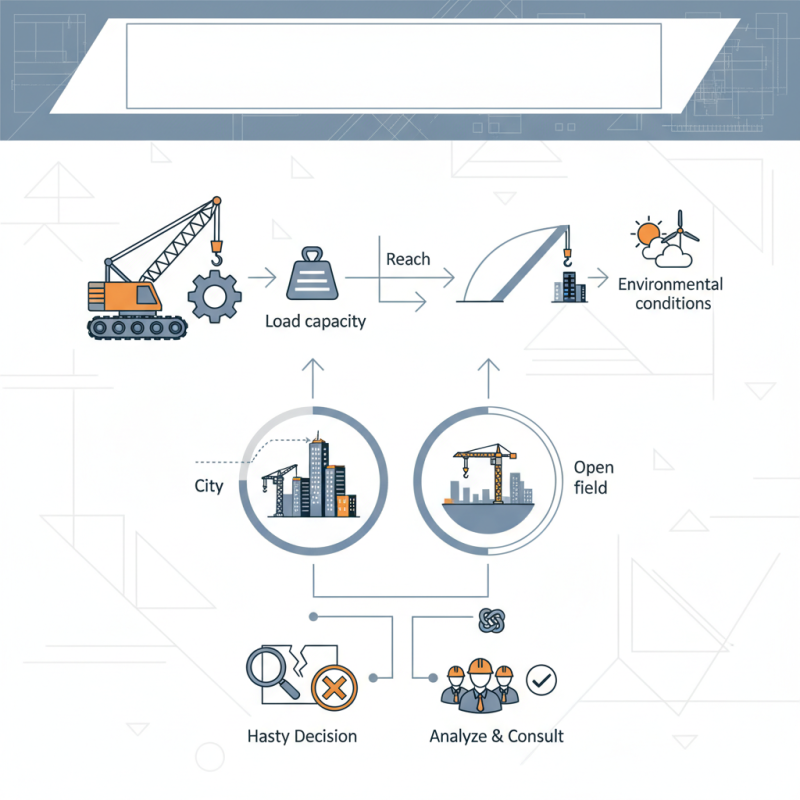
When evaluating Crawler Cranes, consider factors such as load capacity, reach, and environmental conditions. Each project presents unique challenges. For instance, a construction site in a congested urban area might require a different model than one on open land.
It's vital to revisit mistakes made in previous selections. A hasty decision often leads to complications. Thus, taking time to analyze specifications and consulting with experts can lead to more informed choices. Understanding the nuances in Crawler Crane features can prevent errors that may derail your project timelines.
Understanding Crawler Cranes: Types and Features
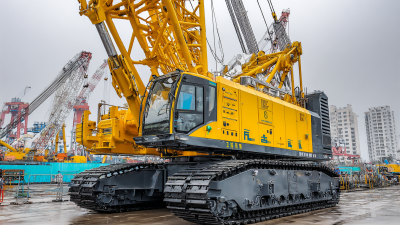
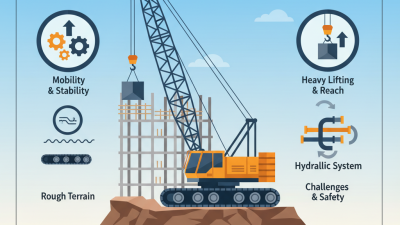
When considering crawler cranes, it’s crucial to dive into the types and features available. Crawler cranes are versatile machines, often used in construction. They provide stability on soft ground due to their wide tracks. A key type is the telescopic crane, which features an extendable boom. This allows for greater reach without needing extensive setup.
Another important type is the lattice boom crane. This design gives it a strong lifting capacity while being lightweight. A lattice boom crane can often handle heavier loads than a telescopic crane. However, they can take longer to assemble. Understanding the weight capacity, boom length, and ground pressure is essential when evaluating your options.
Consideration of features goes beyond just lifting power. Track options can vary, affecting mobility and maneuverability in different environments. Some cranes have advanced controls for precision movements. While these modern features enhance performance, they can also complicate training for operators. Recognizing the balance between advanced technologies and operator experience is vital in selecting the right crane for your project needs.
Choosing the Right Crawler Crane
This bar chart illustrates essential specifications for different crawler cranes, including lift capacity, maximum hook height, reach, and operating weight. Understanding these attributes helps in selecting the best crawler crane for your project needs.
Assessing Project Requirements: Capacity, Reach, and Terrain
When choosing a crawler crane for your project, it's crucial to assess your specific requirements.
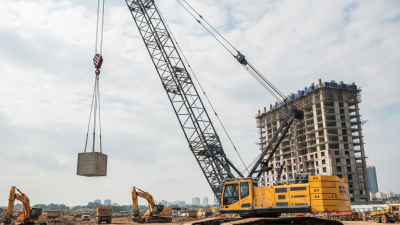
Consider the project capacity, as this directly influences the crane's performance. A crane with a higher lifting capacity can handle heavier loads, which is often essential for construction sites with substantial materials.
However, overestimating capacity can lead to prolonged project times and increased costs.
Reach is another vital factor. It defines how far the crane can extend its boom and manipulate loads.
Evaluate the maximum height and horizontal reach needed for your project. An insufficient reach can lead to inefficiencies.
Choose a crane that comfortably meets your reach requirements while considering the terrain’s complexity.
Tips: Know your terrain before selecting a crane.
Rocky or uneven land may require a different model than flat surfaces.
Assess soil conditions to avoid sinking or instability.
Always consult with an experienced operator or engineer to ensure the chosen crane fits the specific site conditions.
Relying on expertise can save time and reduce risks in the long run.
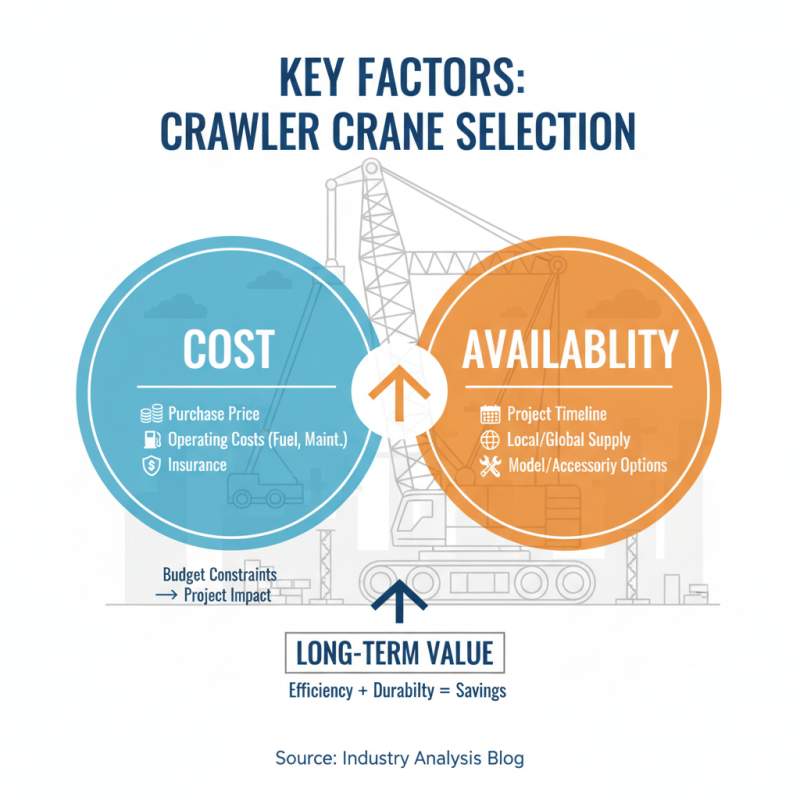
Key Factors in Selecting a Crawler Crane: Cost and Availability
When selecting a crawler crane, cost plays a significant role. Budget constraints can impact the entire project. It's essential to evaluate not just the purchase price, but also the overall operating costs. Maintenance, fuel consumption, and insurance can add up quickly. Sometimes, opting for a more expensive model may save money in the long run due to its efficiency and durability.
Availability is another critical factor. Crawler cranes are not always readily available. Checking local suppliers and rental companies is a good starting point. Delays in sourcing cranes can lead to project hold-ups. Lead times can vary widely based on demand and inventory. Being flexible with crane specifications might help you secure one faster.
It's important to reflect on your unique requirements. Will you use the crane frequently? Or is it a one-time need? These questions can shape your choice. Sometimes, companies focus too much on initial costs and overlook long-term benefits. Take time to analyze every aspect before making a decision. This balance between cost and availability can lead to a more successful project outcome.
Evaluating Safety Features and Certification Standards
When selecting a crawler crane for a construction project, safety features are paramount. A 2020 report from the International Journal of Construction Safety highlighted that approximately 25% of construction-site accidents are linked to inadequate crane safety. Evaluating the crane’s safety features can significantly reduce the risks involved.
Look for models equipped with load moment indicators, anti-two block devices, and emergency stop functions. These features are essential in preventing accidents during crane operations. Research also emphasizes that cranes with certified safety standards, such as ISO 9001, achieve better operational safety. In fact, cranes that meet rigorous safety certifications exhibit 40% fewer incidents compared to non-certified models.
In addition, consider the crane's operating environment. Outdoor settings may require additional protective measures. Reflect on whether the chosen crane has weather-resistant systems and visibility aids for operators. Construction sites can be unpredictable; therefore, robust safety features need to be prioritized based on site conditions. Making informed decisions based on such evaluations can lead to safer work environments and more efficient project completions.
Making an Informed Decision: Rental vs. Purchase Options
When deciding between renting or purchasing a crawler crane, it's essential to weigh the pros and cons of each option. Rental might be best for short-term projects. It offers flexibility and avoids long-term commitments. You only pay for the time you use. This can lead to significant cost savings. However, rentals can become expensive if the project extends beyond the projected timeline. An oversight in planning may lead to unexpected expenses.
Purchasing a crawler crane is ideal for teams with ongoing or large-scale projects. It allows for immediate availability and can be a long-term investment. However, ownership comes with added responsibilities, like maintenance and storage. These factors can affect the total cost of ownership. Understanding project requirements is crucial. Many companies overlook maintenance schedules or fail to consider operations costs.
Reflecting on these aspects can help in making a more informed decision. Evaluate project timelines, financial resources, and usage frequency. Careful consideration of these elements will help you choose the best route for your needs. Balancing cost and utility can be challenging, but understanding your project's demands will guide you.
How to Choose the Best Crawler Crane for Your Project? - Making an Informed Decision: Rental vs. Purchase Options
| Features |
Rental Option |
Purchase Option |
Considerations |
| Initial Cost |
Low upfront investment |
High upfront investment |
Choose based on budget |
| Maintenance |
Included in rental cost |
Owner responsible for costs |
Consider long-term maintenance |
| Flexibility |
Easily change models |
Limited to owned model |
Evaluate project requirements |
| Usage Duration |
Ideal for short-term projects |
Better for long-term projects |
Analyze project timeline |
| Depreciation |
No depreciation risk |
Value decreases over time |
Evaluate financial impact |
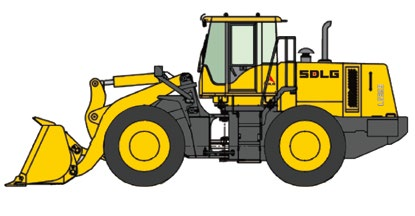 Wheel Loader
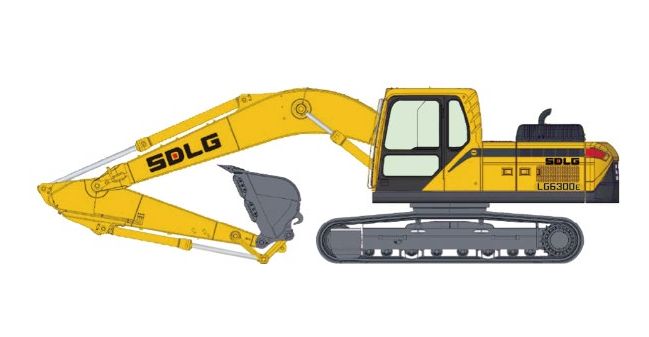 Excavator
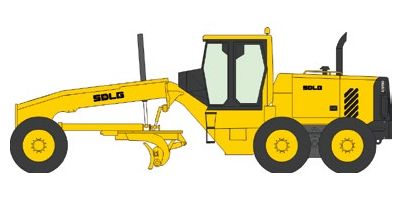 Motor Grader
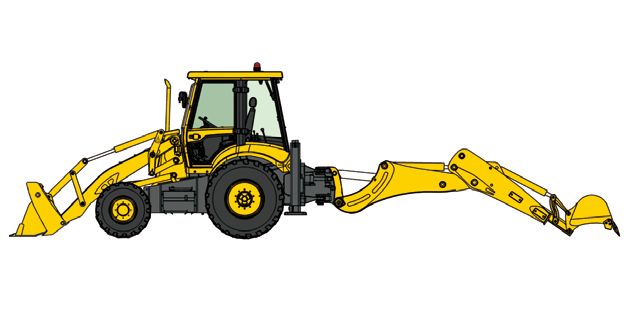 Backhoe Loader
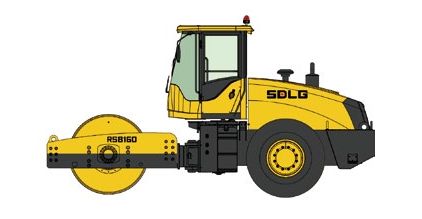 Road Roller
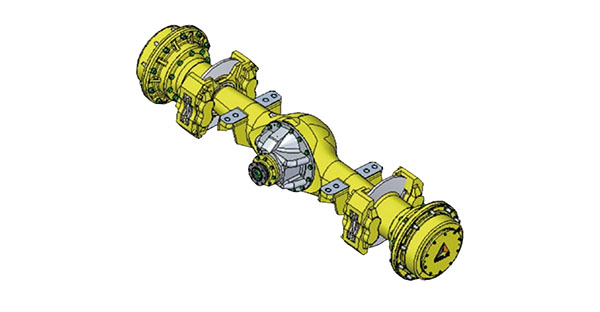 Spare Parts