How to Choose the Best Heavy Equipment Movers for Your Needs?
When selecting Heavy Equipment Movers, understanding the nuances of this industry is crucial. The heavy equipment transportation market has been projected to grow at a compound annual growth rate of 5.2% from 2022 to 2028, according to industry reports. This growth highlights the increasing demand for skilled movers who specialize in safely transporting large machinery.
Choosing the right Heavy Equipment Movers can make or break a project. It's not just about speed; reliability matters too. A survey showed that 73% of companies felt disruptions resulted from poor logistics management. These movers need to ensure your equipment arrives intact and on time. Yet, finding a mover with the right expertise isn’t always straightforward.
Many movers claim to have the necessary experience, but how can you discern their actual capabilities? Reviewing their track record is key. Consider looking for customer testimonials. Also, inquire about their safety records and insurance policies. Your choice impacts not only your timeline but also your bottom line. Therefore, making an informed decision is essential for your project’s success.
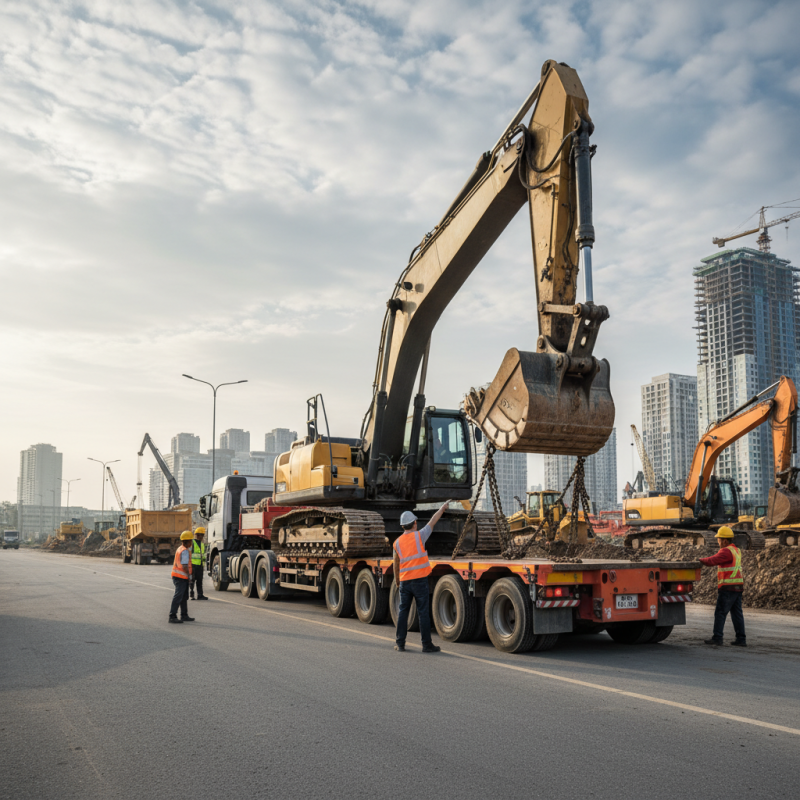
How to Assess Your Heavy Equipment Moving Needs and Requirements
When assessing your heavy equipment moving needs, consider the specifics of your project. Size, weight, and type of equipment play crucial roles. According to a recent industry report, over 70% of companies encounter challenges related to equipment transport logistics. Understanding your equipment’s dimensions and weight will direct you toward the best movers.
Evaluate your project timeline. Many firms overlook the impact of scheduling on equipment transport. A 2021 survey revealed that delays can increase costs by as much as 30%. Knowing your deadlines helps to communicate effectively with movers. Ask potential companies about their availability and previous experience in similar projects.
Lastly, don't forget to consider insurance and safety protocols. Insurance coverage ensures you're protected in case of accidents. Remember, the mover's reputation in safety practices reflects their reliability. Data shows that companies with strong safety records are 50% less likely to experience delays due to accidents. Weighing these factors will lead you to a more informed decision on heavy equipment movers.
Key Factors in Evaluating Heavy Equipment Movers: Certification and Experience
When selecting heavy equipment movers, certification and experience are crucial factors. Certifications demonstrate that a mover adheres to industry standards. They show commitment to safety and proper techniques. Verifying these certifications assures you that the mover is qualified. It also reflects their dedication to ongoing training.
Experience is equally important. Movers with years in the industry face various challenges. They encounter unexpected scenarios and develop solutions. For example, a seasoned mover knows the best methods for navigating tight spaces. They can avoid damages and delays. This depth of experience provides peace of mind. When choosing a mover, ask about their past projects. Inquire about specific challenges they faced and how they overcame them.
Even with certification and experience, some movers may still lack certain qualities. Not all certified companies perform at the same level. Some may excel in safety but struggle with communication. Open dialogue is vital for a successful move. The ability to address your concerns will make a significant difference. It’s essential to reflect on these aspects when making your decision.
How to Choose the Best Heavy Equipment Movers for Your Needs? - Key Factors in Evaluating Heavy Equipment Movers
| Factor |
Description |
Importance Level (1-5) |
Rating (1-10) |
| Certification |
Validation of adherence to industry standards and safety regulations. |
5 |
9 |
| Experience |
The number of years in business and project diversity. |
5 |
8 |
| Insurance |
Provides financial protection and assures responsibility during transport. |
4 |
7 |
| Specialization |
Experience with specific equipment types such as cranes, excavators, etc. |
4 |
8 |
| Equipment |
Availability of specialized tools and vehicles for transportation. |
4 |
7 |
| Customer Reviews |
Feedback from past clients indicating service quality. |
3 |
9 |
Understanding Cost Structures for Heavy Equipment Moving Services
When considering heavy equipment moving services, understanding cost structures is crucial. Many factors influence the price, like distance, equipment type, and job complexity. Rates vary considerably based on region. For instance, urban areas may have higher fees due to traffic constraints.
Tip: Always request multiple quotes. Comparing prices helps you gauge the average cost. Be wary of unusually low estimates. They may indicate hidden fees or subpar services.
Labor costs play a significant role. Skilled movers with experience in heavy equipment ensure safety and efficiency. However, their expertise comes at a price. Determine if the movers hold relevant certifications. This can justify higher rates due to the quality of service.
Tip: Ask about the breakdown of costs. Understanding what you're paying for can help you make informed decisions. Transparency in pricing fosters trust. Sometimes, you may need to compromise on certain services to stay within budget. Reflect on what truly matters for your project.
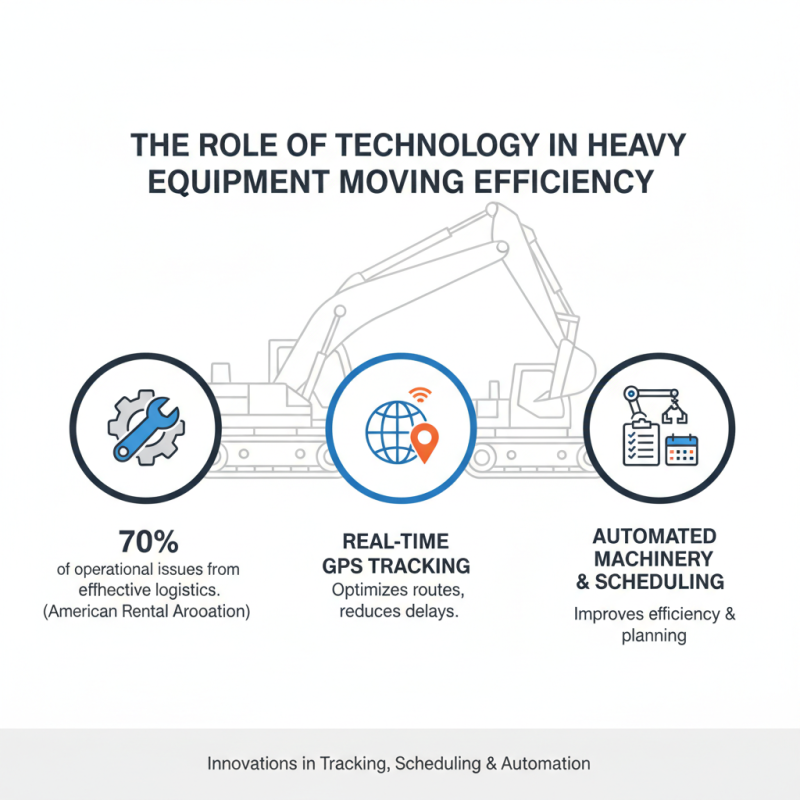
The Role of Technology in Heavy Equipment Moving Efficiency
The role of technology in heavy equipment moving has transformed the industry significantly. Data from the American Rental Association shows that as much as 70% of operational issues can be traced back to ineffective equipment logistics. Innovations in tracking, scheduling, and automated machinery play vital roles in addressing these challenges. Real-time GPS tracking allows movers to monitor equipment locations. This capability enhances operational efficiency by reducing delays and optimizing routes.
Furthermore, advanced software solutions are streamlining project management. These tools enable better communication between teams, cutting down on errors. A report by McKinsey highlights that firms utilizing project management software experienced a 25% increase in productivity. However, this is not without its challenges. Some operators may still rely on outdated practices, which can hinder progress. Adapting to new technologies requires training and a willingness to change.
In addition, mobile applications for equipment maintenance have emerged. These applications alert operators to potential issues before they escalate. Industry reports suggest that predictive maintenance can reduce downtime by almost 30%. Yet, some companies struggle to implement these systems effectively, often due to a lack of resources. Embracing technology is essential, but it must be coupled with a commitment to continuous improvement within the workforce.
Assessing Customer Reviews and Testimonials for Heavy Equipment Movers
When selecting heavy equipment movers, customer reviews and testimonials can provide vital insights. These reviews often highlight the mover's reliability and professionalism. Reading about others' experiences can reveal essential details, such as the accuracy of their quotes or their punctuality. When customers share specific anecdotes, it helps paint a clearer picture.
However, not all reviews are created equal. Some may seem overly positive or negative, which raises questions about authenticity. Look for detailed comments that reflect genuine experiences. Focus on aspects like communication, care for equipment, and effectiveness during the move. Companies responding to reviews show accountability and commitment to service.
While testimonials can guide your choice, they should not be the sole deciding factor. To make an informed decision, balance them with your own research. Contact potential movers to ask questions and gauge their responses. This approach can reveal their level of expertise and dedication. Consider verifying credentials and industry experience before committing.

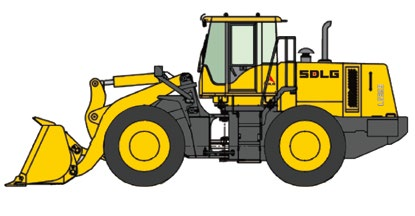 Wheel Loader
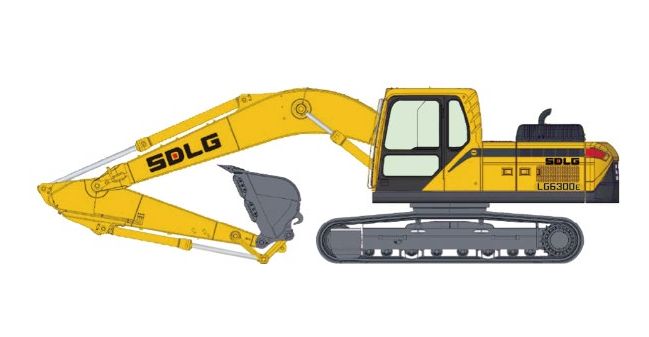 Excavator
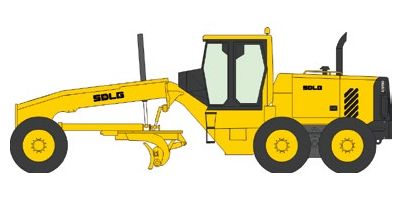 Motor Grader
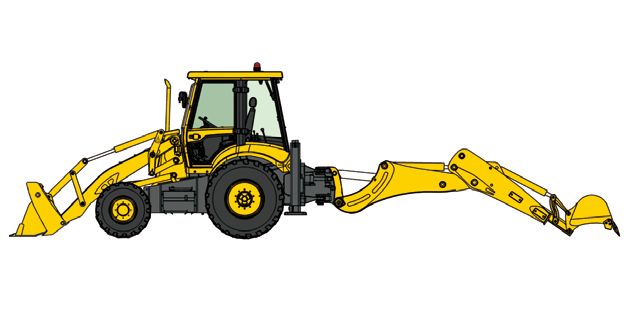 Backhoe Loader
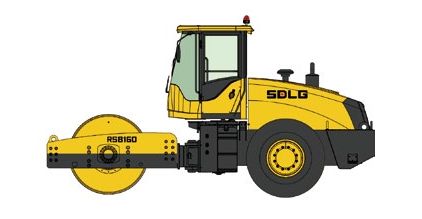 Road Roller
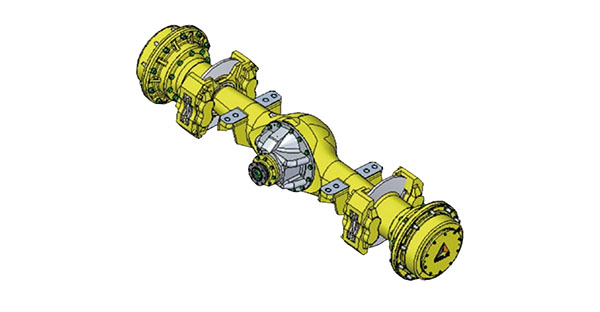 Spare Parts