What to Expect from the Best Mobile Excavator Mechanic in 2026?
As we look ahead to 2026, the role of a Mobile Excavator Mechanic is evolving rapidly. Experts predict a significant adoption of technology in this field. A recent industry report from the Equipment Dealers Association indicates that 70% of companies plan to invest in advanced diagnostic tools by 2026. This will enhance service efficiency and accuracy.
James Maxwell, a leading Mechanical Engineer at Tech Excavation, describes this shift: "Innovations in mobile mechanics will redefine how we maintain and repair equipment." The increased reliance on technology means mechanics must adapt. Traditional skills will remain crucial, but new training in digital tools is essential.
However, challenges persist. Not all mechanics can keep pace with these changes. The industry faces a skills gap that demands urgent attention. As we approach 2026, the need for dedicated Mobile Excavator Mechanics will be critical. Fostering expertise and embracing change will shape the future landscape. Without this focus, the industry risks falling behind.

Overview of Mobile Excavator Mechanic Services in 2026
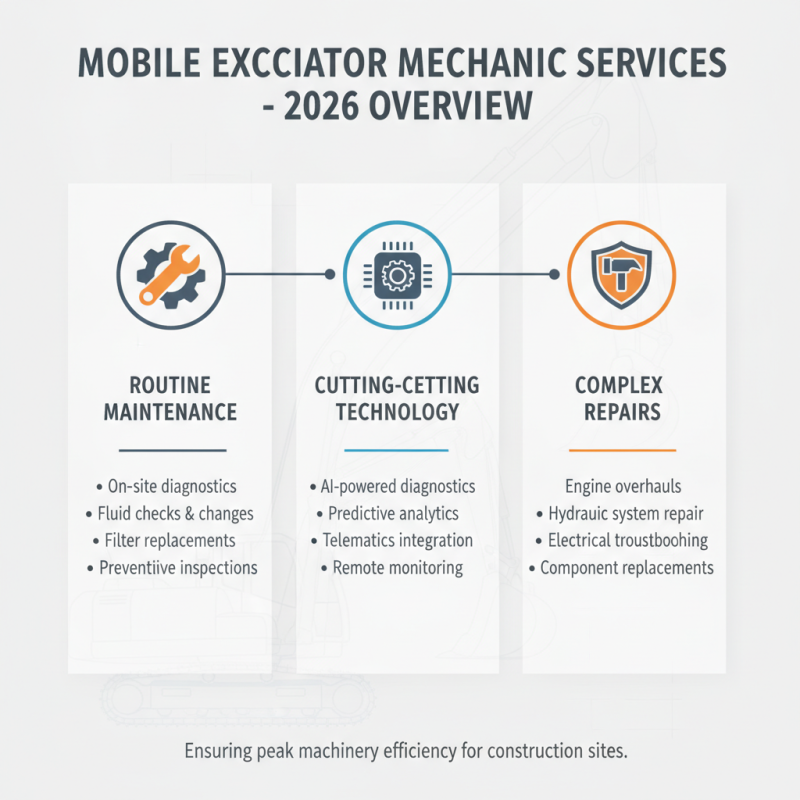
In 2026, mobile excavator mechanics are expected to offer a comprehensive range of services. They will combine mechanical expertise with cutting-edge technology to ensure your machinery runs efficiently. From routine maintenance to complex repairs, these professionals will be indispensable for construction sites.
To choose the right mobile excavator mechanic, consider their experience and qualifications. Look for someone with a solid track record in the industry. Always ask for references or reviews. It’s crucial to feel confident in their abilities. A skilled mechanic can save you time and money by addressing issues before they escalate.
Be prepared for unexpected challenges. Even the best mechanics can encounter problems that require further investigation. Remaining patient during these times is essential. Expect updates on repairs regularly, ensuring you stay informed about progress. This approach fosters a relationship built on trust and reliability, crucial for future collaborations.
Key Skills and Qualifications of Top Mobile Excavator Mechanics
In 2026, the demand for mobile excavator mechanics is set to increase significantly. Industry reports indicate that construction machinery maintenance will grow by 15% annually. This rise emphasizes the importance of skilled mechanics in this niche. The best mobile excavator mechanics should possess a combination of technical expertise and hands-on experience.
Key skills include a strong understanding of hydraulic systems and electronic diagnostics. These technicians must also be proficient in troubleshooting. The evolving technology in excavation equipment demands continuous learning. A recent survey indicates that 70% of employers prioritize mechanics with up-to-date training. Certifications in equipment repair and safety protocols are essential as well.
Soft skills matter too. Effective communication and teamwork enhance job performance and customer satisfaction. Many mechanics struggle in these areas, affecting project timelines. This gap shows that technical skills alone are not enough. Mechanics must balance their technical prowess with interpersonal abilities to thrive in the competitive landscape of mobile excavation repair.
Technological Advancements Impacting Mobile Excavator Repairs
In 2026, mobile excavator repairs will be heavily influenced by technological advancements. The incorporation of IoT devices into machinery is expected to increase. According to industry reports, around 70% of heavy equipment will be equipped with smart sensors by this year. These sensors can provide real-time data, helping mechanics perform timely maintenance.
Moreover, augmented reality (AR) will revolutionize diagnostics. Mechanics will use AR glasses to overlay repair instructions directly onto the equipment. This can reduce downtime, enhancing efficiency. However, not all mechanics may be familiar with these technologies yet. There could be a gap in skills that needs addressing.
Lastly, predictive analytics will be crucial. With machine learning, mechanics can predict failures before they occur. Yet, the reliance on data may raise concerns about overconfidence. Technicians will need a balanced approach—data-driven insights paired with hands-on experience. This dual focus will ensure higher reliability in repairs and operation efficiency. The evolution of mobile excavator mechanics will demand continuous learning and adaptation to thrive in an increasingly tech-driven landscape.
Customer Experience and Expectations from Mechanics in 2026
In 2026, customer expectations for mobile excavator mechanics will have evolved significantly. A recent survey from the Equipment Maintenance Association indicated that 78% of construction professionals prioritize quick response times. Mechanics will need to be equipped with the latest diagnostic tools. This helps in quickly identifying issues, thus minimizing equipment downtime.
Additionally, 55% of respondents stated they prefer comprehensive digital records of service history. Transparency will be key in building trust between mechanics and clients. Customers will expect detailed reports on repairs and maintenance to ensure accountability. Even a minor oversight can result in frustration, leading to lost business.
Moreover, a focus on sustainability will be critical. According to industry data, over 40% of customers will prefer mechanics who emphasize eco-friendly practices. Mechanics might need to adapt their operations to include greener technologies and methods. Balancing efficiency with environmental concerns will be crucial for customer satisfaction. The path ahead is filled with challenges that require reflection and adaptation from all service providers.
What to Expect from the Best Mobile Excavator Mechanic in 2026?
This bar chart illustrates customer expectations from mobile excavator mechanics in 2026, focusing on key service attributes.
Future Trends in Mobile Excavator Maintenance and Repair Services
In 2026, mobile excavator maintenance is set to undergo significant changes. Technological advancements will play a vital role. Remote diagnostics will become common. This allows mechanics to assess issues in real-time, reducing downtime. Customers can expect faster responses and improved service efficiency. Mechanics will need to be well-versed in these technologies to stay competitive.
Moreover, sustainability will shape repair practices. Eco-friendly materials and methods are gaining traction. This shift may lead to a greater emphasis on recycling components. Mechanics will face the challenge of adhering to new regulations while keeping costs manageable. Training programs should address these developments, but gaps may remain.
Customer feedback will be essential in this evolving landscape. Mechanic services may need to adapt quickly to changing demands. Frequent communication between mechanics and clients will foster trust. Building relationships can help address unforeseen issues. The future presents both opportunities and challenges for mobile excavator mechanics.
What to Expect from the Best Mobile Excavator Mechanic in 2026? - Future Trends in Mobile Excavator Maintenance and Repair Services
| Service Type |
Expected Technology |
Key Benefits |
Cost Range (USD) |
Expected Completion Time |
| Preventative Maintenance |
IoT Monitoring Systems |
Reduced Downtime |
200 - 500 |
1-2 Days |
| Mobile Repairs |
Augmented Reality Assistance |
Faster Diagnostics |
300 - 700 |
2-3 Days |
| Part Replacement |
3D Printing for Components |
Customization and Availability |
150 - 400 |
1 Day |
| Hydraulic System Repair |
Robotic Assistance |
Improved Precision |
400 - 800 |
2-4 Days |
| Software Updates |
Remote Upgrades |
Security Enhancements |
100 - 250 |
Hours |

 Wheel Loader
 Excavator
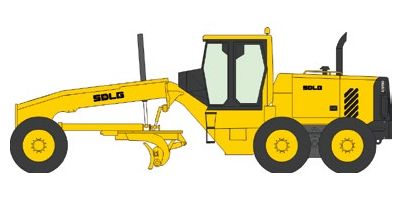 Motor Grader
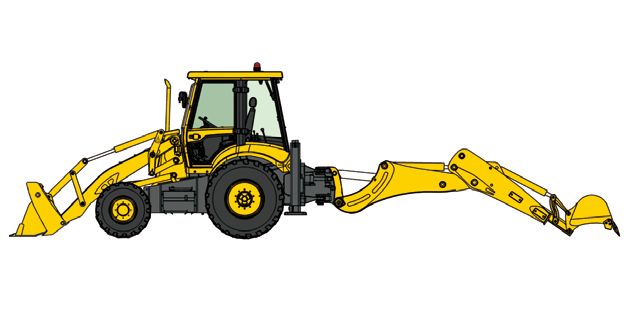 Backhoe Loader
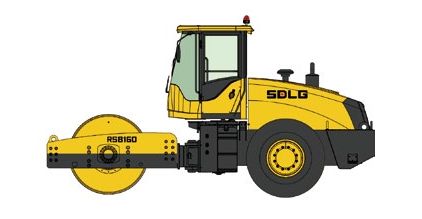 Road Roller
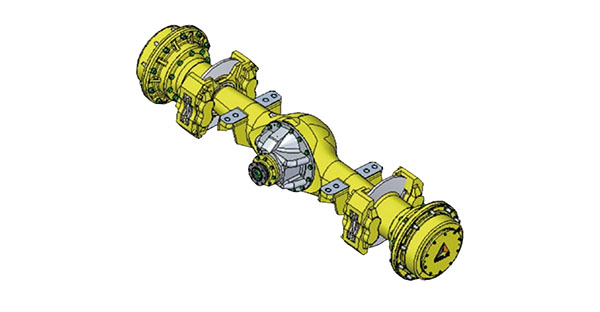 Spare Parts